At its heart, Fargo is a darkly comedic morality play exploring the corrupting nature of greed and the chaos that erupts when ordinary desperation meets violent incompetence. The film contrasts the banal, everyday goodness and decency represented by Marge Gunderson with the senseless, brutal evil of the criminals and the pathetic, self-serving weakness of Jerry Lundegaard. The directors seem to suggest that evil is not grand or sophisticated, but often pathetic and absurd. Ultimately, the film champions a simple, quiet decency, suggesting that true contentment is found not in wealth or elaborate schemes, but in the warmth of family and community, as embodied by Marge and her husband, Norm.
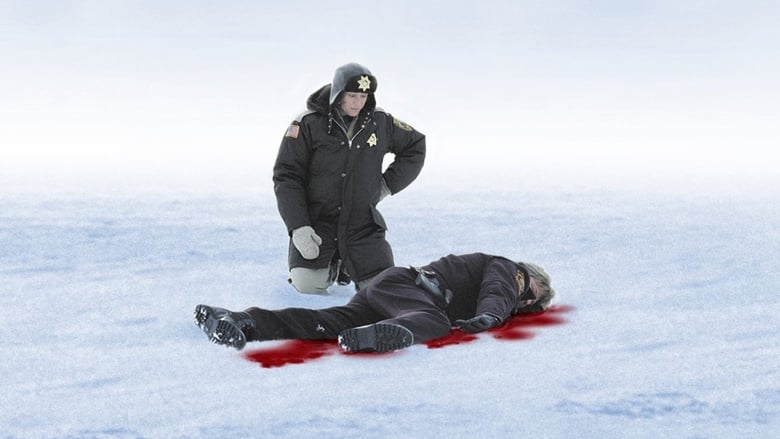
A neo-noir odyssey through a blizzard of human folly, where Midwestern niceness collides with brutal, clumsy greed under an indifferent, snow-blanketed sky.
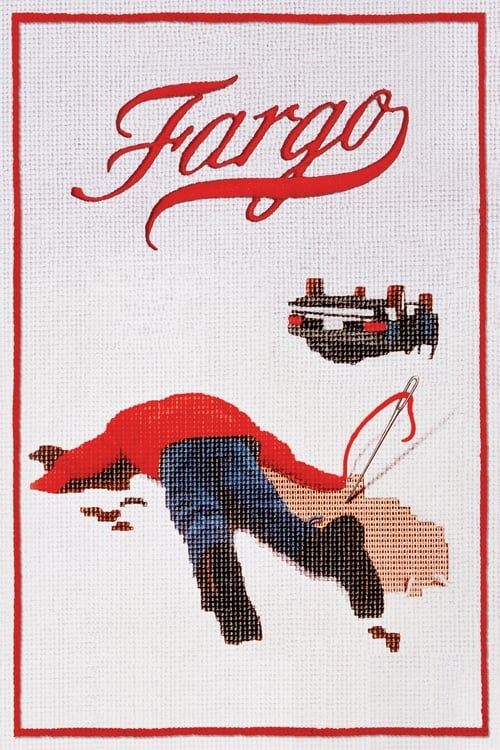
Fargo
"A homespun murder story."
08 March 1996
United Kingdom
98 min
7.9
(8,648)
Director: Joel Coen
Cast: Frances McDormand, William H. Macy, Steve Buscemi, Peter Stormare, Harve Presnell
Drama
Crime
Thriller
Greed
The Banality of Evil
Midwestern Values vs. Chaos
Absurdity and Irony
Budget:
$7,000,000
Box Office:
$60,611,975
Fargo — Symbolism & Philosophy
Symbols & Motifs
Snow / Whiteness
Meaning:
The pervasive snow and white landscapes symbolize multiple concepts. On one hand, the whiteness represents a veneer of purity, innocence, and moral clarity, embodied by Marge. On the other, the vast, empty, and blindingly white landscape reflects the characters' isolation, the bleakness of their situation, and a kind of moral void. Blood starkly contrasts against the snow, visually emphasizing the violence that disrupts this seemingly pure world. The snow can conceal crimes (like the buried money) but also reveals them (tracks, bodies).
Context:
From the opening shot, the film is dominated by snowy, flat landscapes. Key scenes, like the discovery of the murdered state trooper and the infamous wood-chipper finale, are set against a stark white backdrop, making the red of the blood incredibly vivid and shocking. Carl buries the briefcase of money in a vast, anonymous field of snow, a location that becomes significant in the related TV series.
The Wood Chipper
Meaning:
The wood chipper represents the ultimate, horrifying, and absurd finality of the film's violence. It is a piece of mundane yard equipment turned into an instrument of grotesque disposal, perfectly encapsulating the film's theme of the banality of evil. It symbolizes the complete dehumanization of a person into mere matter to be mechanically erased. The scene was inspired by the real-life 1986 murder of Helle Crafts.
Context:
In the film's climax, Marge arrives at the remote cabin to find Gaear Grimsrud casually feeding Carl Showalter's dismembered body into a wood chipper. The image of a human leg being shoved into the machine is one of the most shocking and iconic in modern cinema.
Paul Bunyan Statue
Meaning:
The giant, smiling statue of folk hero Paul Bunyan serves as a piece of ominous, absurd Americana. It's a cheerful, folksy landmark that watches over a landscape where brutal crimes are about to unfold. It can be interpreted as a symbol of the kitschy, superficial wholesomeness of the region, which hides a darker potential for violence. For Gaear, it becomes an omen of his downfall.
Context:
The kidnappers' car passes the towering statue on the road into Brainerd, the town where Marge Gunderson is police chief and where their crimes will be investigated. The camera lingers on the statue's fixed, slightly menacing grin, juxtaposing regional kitsch with the grim narrative.
Philosophical Questions
What is the nature of good and evil?
Fargo explores the idea that evil is not a grand, diabolical force, but something banal, pathetic, and often incompetent. Jerry's scheme is born of weakness, not malice, yet it unleashes horrific consequences. Gaear's violence is casual and motiveless. In contrast, good, as embodied by Marge, is simple, diligent, and decent. It's not flashy or heroic in a traditional sense, but it is steadfast. The film seems to ask if evil is simply an absence of empathy and intelligence, and if good is the quiet, daily commitment to order and kindness.
Can there be meaning in a seemingly absurd world?
The film is filled with absurd juxtapositions and events that defy easy explanation, reflecting an existentialist viewpoint. The universe of Fargo appears indifferent to human suffering. In the face of this absurdity, the film presents two paths. One is the path of Jerry, Carl, and Gaear, who chase meaningless goals (money, a car) through violence, leading to their own destruction. The other is Marge's path. She confronts the absurdity and chaos but finds profound meaning and happiness in the simple, tangible things: her duty, her loving husband, and their unborn child. The film's final scene argues that meaning is not found in grand schemes but is created through decency, love, and community.
Core Meaning
Explore More About This Movie
Dive deeper into specific aspects of the movie with our detailed analysis pages