"To Life!"
Fiddler on the Roof - Symbolism & Philosophy
Symbols & Motifs
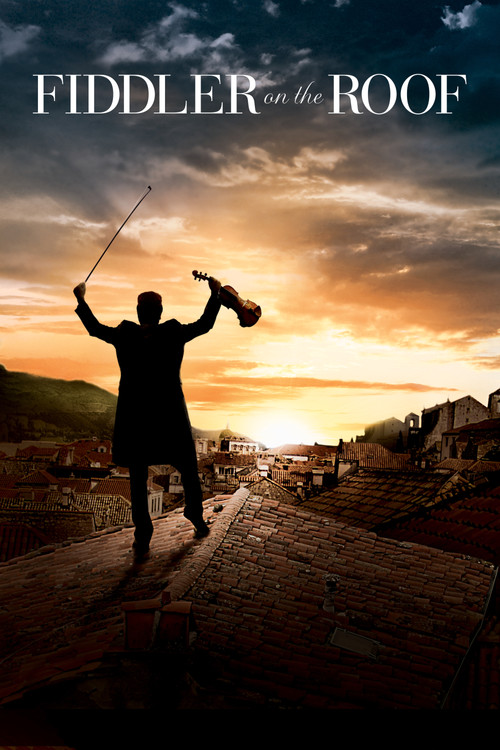
The Fiddler
The Fiddler represents the precarious balance of life for the Jews of Anatevka. He symbolizes the struggle to "scratch out a pleasant, simple tune" (life, joy, culture) without "breaking one's neck" (succumbing to oppression or assimilation).
He appears on the roof in the opening/closing scenes and follows the family as they leave Anatevka, signifying that their traditions and spirit go with them into exile.
The Roof
The roof symbolizes the physical and social instability of the community. It is a dangerous place to stand, yet it is where the music plays.
Referenced in the title and visualised in the opening shot; it suggests that they are exposed to the elements (political forces) but remain elevated by their culture.
The Sewing Machine
Represents industrialization and the arrival of the modern world. It is a tool of self-sufficiency that contrasts with the old ways.
Motel the Tailor buys it to prove he can support Tzeitel, marking his transition from a timid boy to a modern man.
Philosophical Questions
Does tradition protect us or imprison us?
The film suggests it does both. Tradition provides the 'balance' and identity that keeps the community together, but it also creates the rigidity that nearly destroys Tevye's relationship with his daughter Chava.
What is the cost of survival?
Tevye must constantly weigh the cost of his principles against the happiness of his children. The film asks if surviving as a distinct culture is worth the price of personal unhappiness or exclusion.
Core Meaning
The Balance of Survival
At its heart, Fiddler on the Roof is a meditation on how communities and individuals maintain their identity in the face of overwhelming change. Director Norman Jewison and the writers explore the tension between tradition (which provides stability and identity) and love (which requires flexibility and adaptation). The film argues that while traditions may bend or break, the spirit of a people—symbolized by the Fiddler—survives through resilience, family bonds, and the ability to carry one's culture into the unknown.