The climax of the film revolves around a subversion of the 'rescue' trope. Marlin finds Nemo, but the true resolution occurs when Nemo must go back into danger to save Dory and a school of fish caught in a net. Marlin's development is completed when he tells Nemo to "Go!"—willingly letting his son enter a life-threatening situation because he finally trusts Nemo's ability. This mirrors the opening's loss but with a different outcome: instead of a parent failing to save his family, a parent succeeds by letting his family save themselves. The ending reveals that the 'Finding' in the title refers as much to Marlin finding his own courage as it does to finding his son.

An odyssey across a vibrant, perilous blue expanse where an anxious father's desperate search for his son becomes a luminous exploration of trust, growth, and the courage to let go of fear.
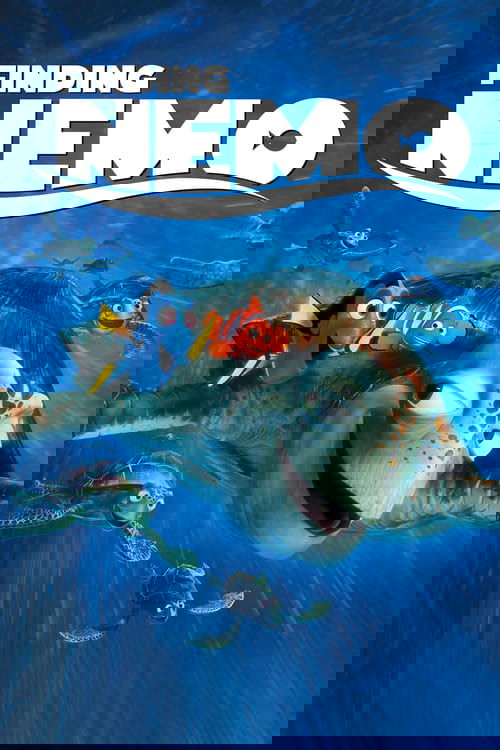
Finding Nemo
"There are 3.7 trillion fish in the ocean. They're looking for one."
30 May 2003
United States of America
100 min
7.8
(20,094)
Director: Andrew Stanton
Cast: Albert Brooks, Ellen DeGeneres, Alexander Gould, Willem Dafoe, Geoffrey Rush
Animation
Family
Parental Love and Overprotection
Perseverance and Optimism
The Beauty and Danger of the Unknown
Living with Disability
Budget:
$94,000,000
Box Office:
$940,335,536
Finding Nemo — Ending Explained
⚠️ Spoiler Analysis
Alternative Interpretations
Critics and fans have proposed several alternative readings:
- The Grief Theory: A popular (though debunked) dark theory suggests Nemo died in the opening attack, and the name 'Nemo' (Latin for 'No One') implies the entire journey is Marlin's journey through the five stages of grief (Denial, Anger, Bargaining, Depression, and finally Acceptance).
- Religious Parallels: Some interpret the scene where the fish 'swim down' to break the net as a metaphor for collective spiritual transcendence or a critique of industrial consumerism (the fishing industry).
- Disability Allegory: Scholars often analyze the film as a breakthrough for disability representation, viewing the tank as a segregated 'special needs' space and the ocean as an integrated society.
Explore More About This Movie
Dive deeper into specific aspects of the movie with our detailed analysis pages