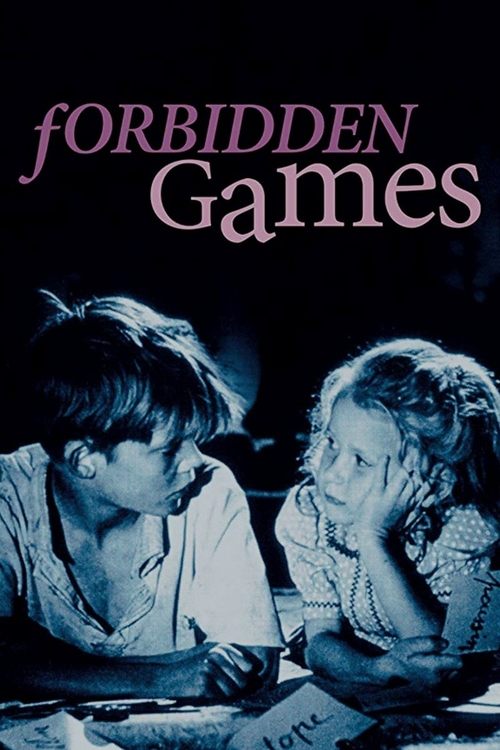
Forbidden Games
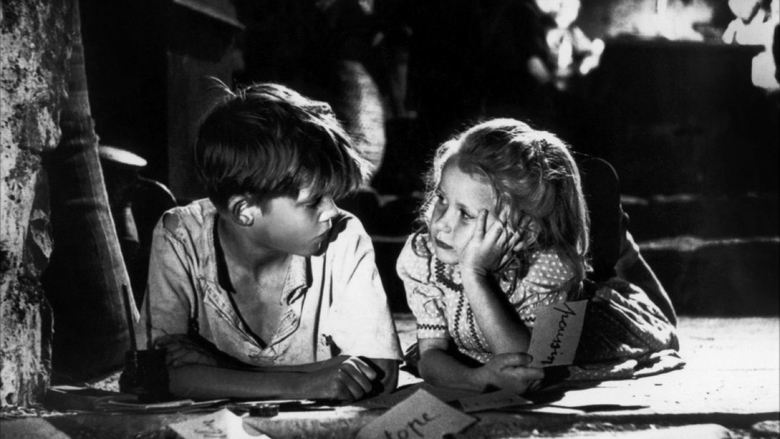
A haunting black-and-white elegy where childhood innocence constructs a sanctuary of shadows. Amidst the carnage of war, a secret cemetery becomes a tender yet macabre refuge for a world in ruins.
Forbidden Games
Forbidden Games

Jeux interdits

"War ... and how it affects the lives of our children"

09 May 1952 France 87 min ⭐ 7.8 (337)
Director: René Clément
Cast: Brigitte Fossey, Georges Poujouly, Philippe de Chérisey, Laurence Badie, Suzanne Courtal
Drama War
The Loss of Innocence Ritual as a Coping Mechanism Adult Hypocrisy and Pettiness The Cruelty of Institution
Box Office: $10,188

Forbidden Games - Ending Explained

⚠️ Spoiler Analysis

The film concludes with a tragic betrayal of the children's bond. Michel's father promises not to give Paulette to the gendarmes if Michel reveals the location of the stolen crosses. Michel complies, but his father breaks his word, handing Paulette over to the authorities. In a fit of despair and rage, Michel destroys their secret cemetery, throwing the crosses into the stream—symbolizing the total destruction of their shared world.

The final scene takes place in a crowded Red Cross processing center. Paulette is tagged with a label and left to wait. In the chaos, she hears someone call for 'Michel' and starts running through the crowd, crying out for her friend and then, eventually, for her mother. The film ends on this note of total isolation; the 'game' is over, and the reality of her loss has finally caught up with her in a world where she is now just another anonymous statistic of war.

Alternative Interpretations

Critics have often viewed the film through a psychoanalytic lens, suggesting that the animal cemetery is a form of 'pathological mourning' where Paulette displaces the grief of her parents' unburied bodies onto the animals she can control. Another reading suggests the film is a national allegory for France's own trauma during the Occupation, where the 'games' represent the desperate attempts of a defeated people to find meaning in a shattered national identity. Some also interpret the film as a dark satire on religion, where the children's theft of crosses exposes the emptiness of religious symbols when they are detached from true compassion.