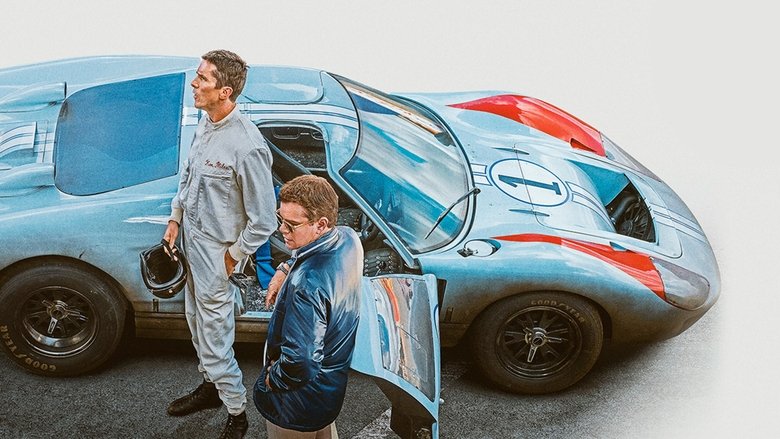
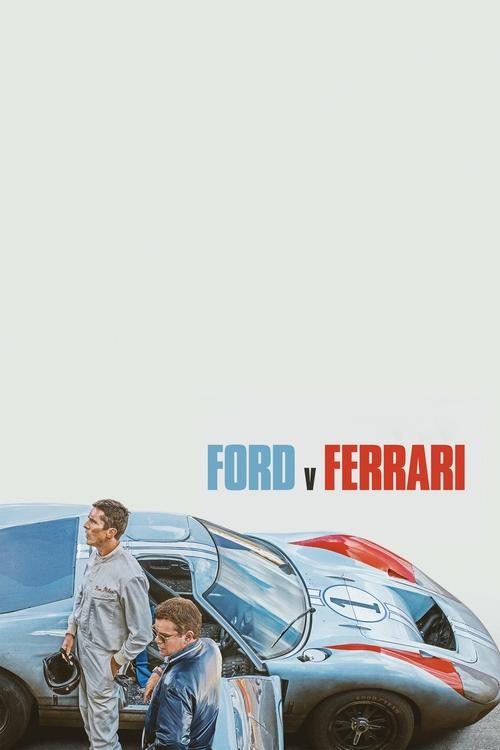
"They took the American dream for a ride"
Ford v Ferrari - Symbolism & Philosophy
Symbols & Motifs
The Perfect Lap
The "perfect lap" symbolizes an unattainable state of perfection and a spiritual connection between man and machine. It represents a goal that is pure and personal, detached from the external reward of winning a race. It is the ultimate expression of a driver's skill and passion, something only true racers can understand.
Ken Miles explains the concept to his son, Peter, while looking out at the Willow Springs track. He describes it as a moment of flawless execution that most people don't even know exists. This idea becomes his driving motivation throughout the film, elevating his quest from a mere competition to an almost spiritual pursuit.
7,000 RPM
Reaching 7,000 RPM is a metaphor for a transcendent state of being, where the noise and distractions of the world disappear, leaving only pure focus and existence. It's a moment of truth where a person confronts their fundamental identity—"Who are you?" It symbolizes the zen-like clarity that comes from pushing oneself to the absolute limit.
Carroll Shelby describes this phenomenon in the film's opening and closing narration. For both Shelby and Miles, it's the ultimate experience that racing provides, a feeling that no corporate mandate or trophy can replicate. Miles achieves this state during his win at Daytona, pushing the car beyond its engineered limits on Shelby's command.
The Wrench
The wrench symbolizes both creation and destruction, control and rebellion. It is the tool of the mechanic and engineer, used to build and perfect the racing machine. However, it also becomes a weapon of frustration, representing the characters' volatile and passionate natures when their artistry is threatened.
Early in the film, a frustrated Ken Miles throws a wrench at Carroll Shelby during a heated argument. The tool, meant for building, becomes a symbol of their fiery relationship. Later, Miles uses a hammer to "adjust" the car's hood to fit regulations after a frustrating technical inspection, signifying his hands-on, often blunt, approach to problem-solving in defiance of rigid rules.
Philosophical Questions
What is the true nature of victory?
The film constantly questions whether victory is defined by a trophy and public recognition or by personal achievement and integrity. Ken Miles wins the race on his own terms, setting lap records and dominating the competition. However, he is denied the official title due to a corporate decision. His quiet satisfaction in proving he was the best, followed by the hollowness of the staged finish, forces the audience to consider if the internal knowledge of one's own success is more valuable than external validation. The film suggests true victory lies in the perfect execution of one's craft—the "perfect lap"—a personal triumph that no committee can award or take away.
Can true genius and creativity thrive under corporate control?
"Ford v Ferrari" explores the inherent friction between maverick creators and the structured, risk-averse environment of a large corporation. Shelby and Miles can only build the revolutionary GT40 with Ford's immense resources, yet those same resources come with strings attached in the form of bureaucratic oversight and marketing-driven decisions that stifle their progress. The film suggests that while corporations can fund innovation, they cannot manufacture genius. It portrays a constant battle where creativity flourishes in spite of, not because of, the corporate structure, posing the question of whether brilliant individuals are ultimately doomed to be either co-opted or crushed by the systems that employ them.
Is the pursuit of perfection a noble goal or a destructive obsession?
Ken Miles's relentless drive for perfection makes him a brilliant driver but also a difficult and uncompromising man. His obsession fuels his greatness but also puts him at odds with his employers and arguably contributes to his tragic end, as he dies while testing a new, experimental vehicle, once again pushing the limits. The film presents this pursuit as a double-edged sword: it is the source of his profoundest moments of clarity and achievement, but it also isolates him and leads him down a dangerous path. The film asks whether such an all-consuming passion is ultimately life-affirming or a form of self-destruction.
Core Meaning
The core meaning of "Ford v Ferrari" revolves around the conflict between individual passion and corporate interference. Director James Mangold explores the idea that true innovation and greatness are born from the obsessive dedication of individuals like Ken Miles and Carroll Shelby, who operate on instinct and a pure love for their craft. This artistic spirit is constantly at odds with the risk-averse, marketing-driven mindset of the Ford executives, who see the race not as a feat of engineering and human endurance, but as a public relations opportunity. The film champions the idea that genius cannot be managed by committee and that the pursuit of perfection, symbolized by Miles' quest for the "perfect lap," is a deeply personal and uncompromising endeavor that transcends corporate branding and victory itself.