The film's most shocking twist is the final transformation of Cleopatra. After her plan is discovered, the performers use the cover of a storm to hunt her down. In a sequence that borders on the avant-garde, they use knives and tools to surgically mutilate her. The 'Human Duck' reveal in the epilogue shows that they removed her legs, gouged out an eye, and fused her hands to look like webbed feet—literally turning her into a flightless, squawking spectacle. This ending serves as a brutal irony: she who lived for the 'air' as a trapeze artist is now grounded in the mud forever. Additionally, the alternate ending showing Hans and Frieda reuniting provides a rare moment of genuine tenderness that attempts to mitigate the film's crushing nihilism.
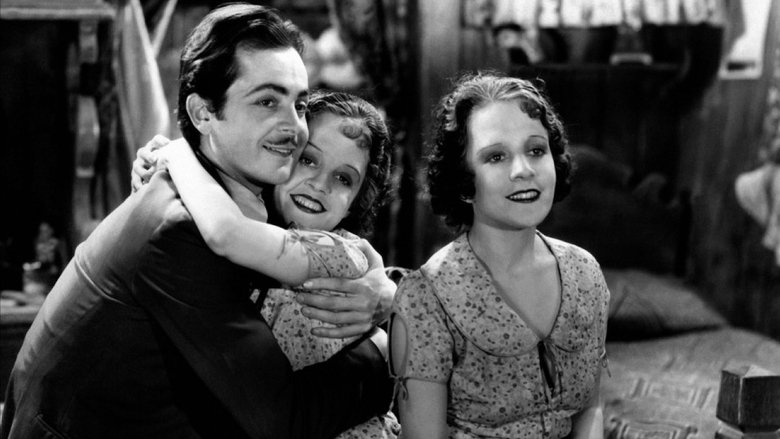
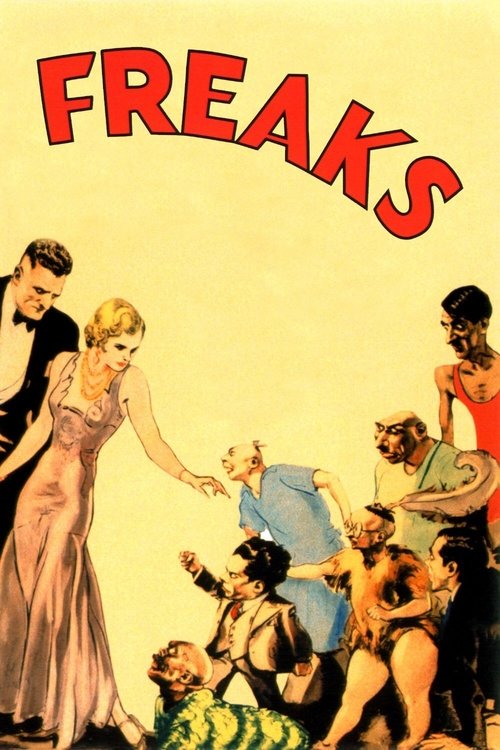
"Can a full grown woman truly love a midget?"
Director: Tod Browning
Cast: Harry Earles, Olga Baclanova, Daisy Earles, Henry Victor, Wallace Ford
Freaks — Ending Explained
⚠️ Spoiler Analysis
Alternative Interpretations
Critics are divided on the film's ultimate message. One Progressive Interpretation argues that Browning was a visionary who forced audiences to confront their prejudices by giving disabled actors agency and complex lives. An Exploitative Interpretation suggests that by turning the performers into terrifying monsters in the final act, Browning ultimately reinforced the very stereotypes he claimed to subvert. A third Aesthetic Reading views the film as a piece of surrealist art, focusing on the nightmare imagery of the rainstorm climax as a descent into the subconscious rather than a social commentary.
Explore More About This Movie
Dive deeper into specific aspects of the movie with our detailed analysis pages