At its heart, the film argues that friendship and storytelling are vital survival mechanisms. It explores how women, marginalized by age or gender, find strength in one another to overcome oppression. The narrative suggests that legacy isn't left in grand monuments, but in the recipes, stories, and acts of love passed down through generations.
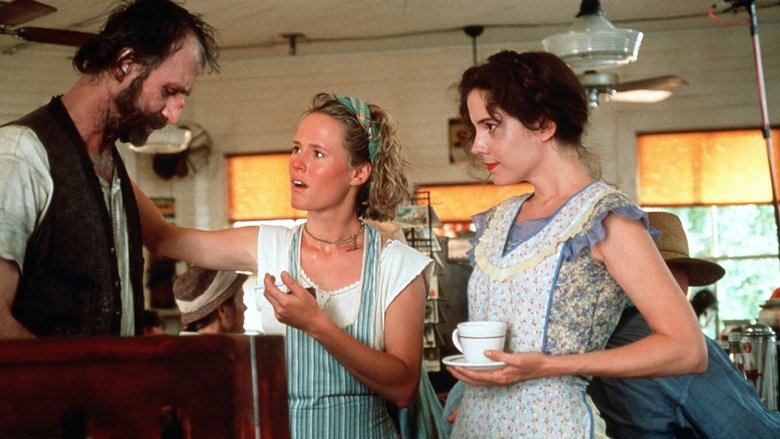
A heartwarming Southern tale weaving two timelines into a tapestry of female empowerment and enduring friendship. Warm, nostalgic, and emotionally resonant, it celebrates the transformative power of storytelling and the secret ingredients of life.
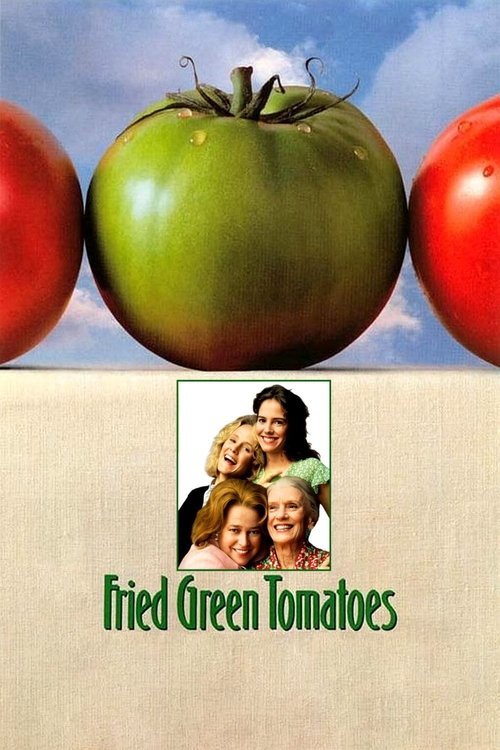
Fried Green Tomatoes
"The secret of life? The secret's in the sauce."
27 December 1991
United States of America
130 min
7.7
(1,427)
Director: Jon Avnet
Cast: Kathy Bates, Jessica Tandy, Mary-Louise Parker, Mary Stuart Masterson, Cicely Tyson
Drama
Comedy
Female Friendship and Sisterhood
Empowerment and Transformation
Racism and Injustice
Aging and Legacy
Budget:
$11,000,000
Box Office:
$119,418,501
Fried Green Tomatoes — Symbolism & Philosophy
Symbols & Motifs
Fried Green Tomatoes
Meaning:
They symbolize Southern comfort, the specific flavor of home, and the idea of making something delicious out of something unfinished or 'green'—much like the characters themselves.
Context:
They are the signature dish of the cafe, representing the love and labor Idgie and Ruth put into their community.
Honey and Bees
Meaning:
Represents wildness, sweetness amidst danger, and Idgie's fearless nature (the 'Bee Charmer'). It suggests that love requires risking the 'sting'.
Context:
Idgie reaches into a swarm of bees to get fresh honey for Ruth, proving her devotion and lack of fear.
The Train
Meaning:
Symbolizes fate, inevitable change, and the connection between the isolated town and the wider world. It brings both tragedy (Buddy's death) and sustenance (food for the homeless).
Context:
The tracks run right by the cafe; the train is a constant auditory and visual presence that marks the passage of time.
Towanda
Meaning:
An alter ego representing female rage, assertiveness, and the refusal to be a victim. It is a battle cry for justice.
Context:
Idgie invents this persona in the past; Evelyn adopts it in the present to crash her car into the younger women who stole her parking spot.
Philosophical Questions
Is vigilantism ever morally partial?
The film presents the murder of Frank Bennett as justice served. It asks the audience to side with the characters who take the law into their own hands because the legal system of the time (racist and sexist) would not protect Ruth or Big George. It questions the difference between 'law' and 'justice'.
Does the truth matter more than the story?
Ninny acts as an unreliable narrator (if she is indeed Idgie). The film suggests that the emotional truth of a story—the hope and strength it gives the listener—is more valuable than strict historical fact.
Core Meaning
Explore More About This Movie
Dive deeper into specific aspects of the movie with our detailed analysis pages