The series is built on the gradual revelation that the "villains" are fellow survivors acting out of fear. The major twist is not narrative but emotional: the realization that Monsley, the cold soldier who killed Conan's grandfather (indirectly), becomes one of his strongest allies. The finale involves the literal sinking of Industria into the sea, a cataclysm that is treated not as a tragedy but as a necessary cleansing. Dr. Lao's death is the final severance from the old world, forcing the children to lead the new one without adult guidance.
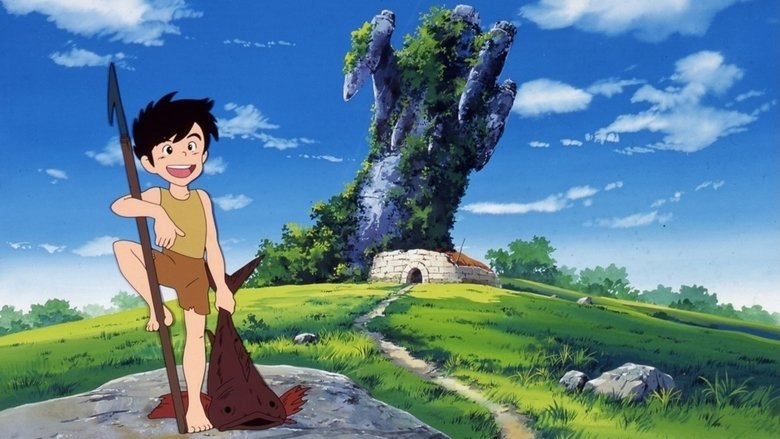
A post-apocalyptic adventure radiating vibrant optimism where a super-powered boy and a telepathic girl traverse a flooded world. It blends high-flying steampunk action with a soulful reverence for nature, establishing the visual poetry of Studio Ghibli.
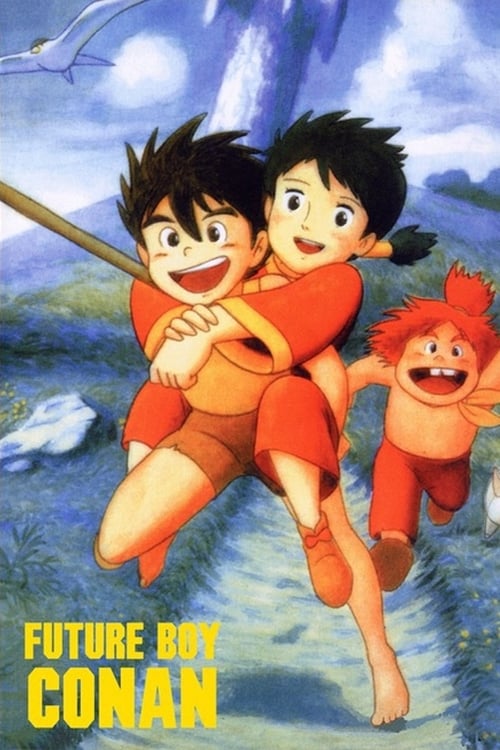
Future Boy Conan
未来少年コナン
04 April 1978
— 31 October 1978
Japan
1 season
26 episode
Ended
8.4
(208)
Cast: Noriko Ohara, Mieko Nobusawa, Kazuyo Aoki, Ichiro Nagai, Rihoko Yoshida
Animation
Sci-Fi & Fantasy
Action & Adventure
Family
Nature vs. Industry
The Resilience of Youth
Redemption and Forgiveness
The Danger of Past Technology
Future Boy Conan — Ending Explained
⚠️ Spoiler Analysis
Alternative Interpretations
Some critics view the series as a political allegory where Industria represents Soviet-style industrial communism (forced labor, collectivism, gray aesthetic) and High Harbor represents an idealized pre-industrial agrarian society, though Miyazaki has denied specific political mappings. Others interpret the ending—where the technological city sinks—as a radical environmentalist statement that the Earth must literally "wash away" industrial civilization to heal.
Explore More About This Movie
Dive deeper into specific aspects of the movie with our detailed analysis pages