未来少年コナン
Future Boy Conan - Symbolism & Philosophy
Symbols & Motifs
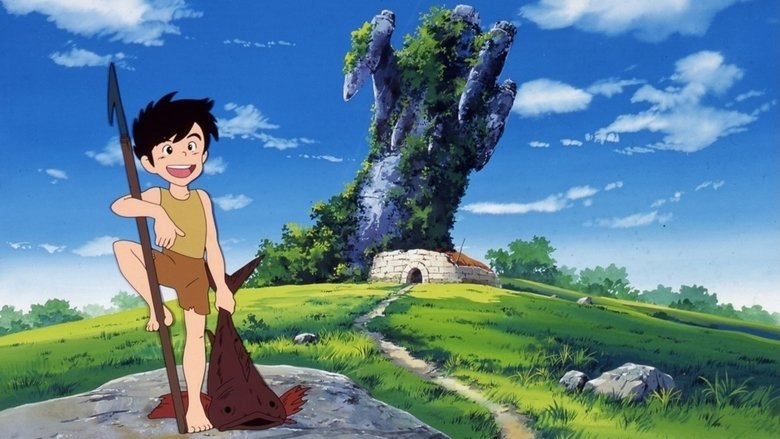
The Gigant
A massive, moth-like bomber plane that symbolizes the destructive hubris of the old civilization and the ultimate manifestation of war.
It looms as a dormant threat for most of the series until Lepka revives it in the finale, serving as the final boss that Conan must destroy to sever ties with the violent past.
Solar Energy
It represents the dual nature of power: it can be the clean lifeblood of a new civilization or a weapon of mass destruction depending on who wields it.
Dr. Lao holds the secret to this power, and it drives the central conflict; High Harbor uses natural energy, while Industria seeks the solar secret to power its weapons.
The Sea
The sea is both a destroyer (via the great tsunamis) and a giver of life, symbolizing the indifferent but essential power of nature.
The characters are constantly interacting with the ocean; it provides food and travel, but also swallowed the old world, reminding the survivors of their fragility.
Tikki the Tern
Lana's bird companion symbolizes freedom, telepathic connection, and the uninhibited spirit of nature that technology cannot cage.
Tikki is used throughout the series to scout, communicate across distances, and guide Conan, acting as a spiritual link between the characters and the natural world.
Philosophical Questions
Can humanity survive without the technology that destroyed it?
The series constantly asks whether reverting to a simpler, agrarian life is a regression or a necessary evolution. It suggests that true progress is social and spiritual (community, empathy) rather than technological.
Is redemption possible for those who enforce tyranny?
Through Monsley and Dyce, the show explores whether "following orders" is an excuse and shows that redemption requires active dismantling of the oppressive systems one served.
Core Meaning
The series posits that humanity's survival depends not on the technology that destroyed the world, but on the resilience of the human spirit and harmony with nature. Miyazaki rejects the cynicism of the original novel, arguing that even after the apocalypse, the next generation can build a brighter, more compassionate future through community, friendship, and the rejection of authoritarian greed.