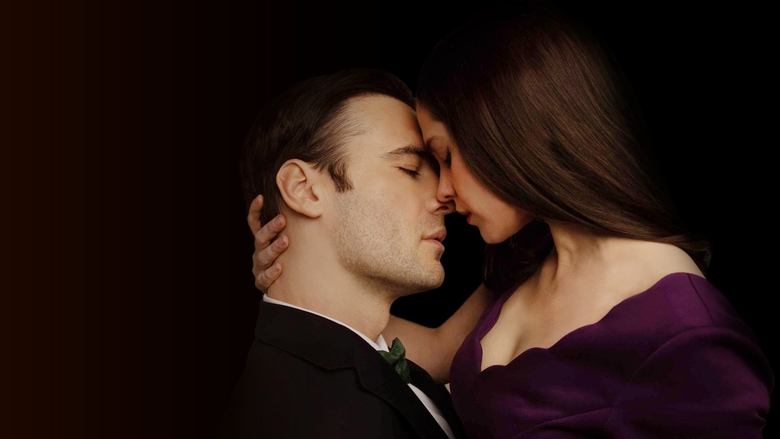

Gabriel's Inferno: Part II - Ending Explained
⚠️ Spoiler Analysis
"Gabriel's Inferno: Part II" is dedicated to Gabriel's methodical and tender courtship of Julia after she rejects him at the end of Part I. The central plot twist from the first part is finally explained: Gabriel reveals to Julia that the reason he didn't remember their first meeting years ago was because he was high on cocaine and in a state of emotional collapse. He believed his encounter with the angelic Julia was a drug-induced hallucination.
With the truth revealed, Gabriel convinces Julia to allow him to court her, but with strict rules: their relationship will remain non-physical while she is his student. The film then unfolds as a series of intimate, but chaste, dates and encounters. Key scenes include a tender moment where he feeds her chocolate cake and a romantic montage of them studying together. The climax of this installment is the iconic lecture hall scene. After a public and humiliating confrontation with a jealous classmate, Julia flees. Gabriel follows her and, in his office, they have a charged argument that culminates in their first truly passionate kiss, a major turning point in their relationship. The film ends with them having established a deeper emotional and romantic connection, but they have not consummated their relationship, leaving that for the next installment.
Alternative Interpretations
There are two primary ways to interpret "Gabriel's Inferno: Part II," largely dependent on the viewer's relationship with the romance genre and the source material.
1. A Deeply Romantic and Healing Love Story: Fans and romance enthusiasts view the film as a beautiful, intense, and respectful depiction of a slow-burn courtship. From this perspective, Gabriel's transformation is a powerful story of redemption, and the chaste nature of their interactions in this part is seen as a sign of his profound respect for Julia. The literary references to Dante are considered a sophisticated layer that elevates the narrative beyond a simple romance. The chemistry between the leads is seen as electric and perfectly cast.
2. A Melodramatic and Problematic Fantasy: Critics or viewers less familiar with the genre may interpret the film as 'corny,' unintentionally funny, and filled with over-the-top dialogue. The power imbalance of the professor-student relationship can be viewed as inherently problematic, regardless of the characters' intentions. Gabriel's behavior, even in his 'reformed' state, can be read as possessive and intense, while Julia can be seen as overly passive. From this viewpoint, the film is a niche fantasy that relies on well-worn tropes rather than realistic character development.