"Winter is coming."
Game of Thrones - Symbolism & Philosophy
Symbols & Motifs
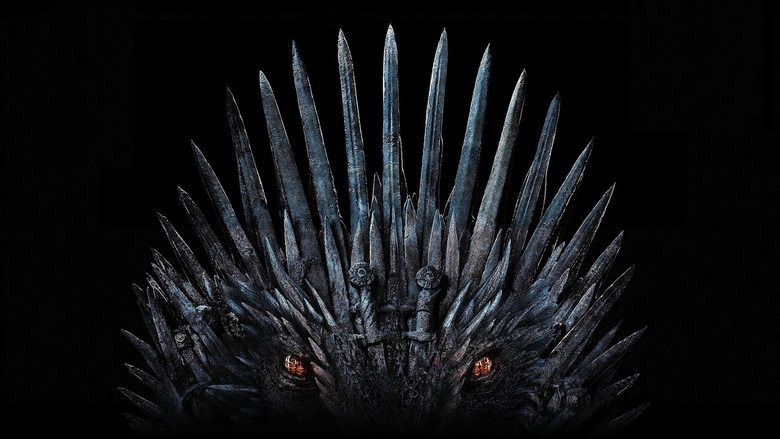
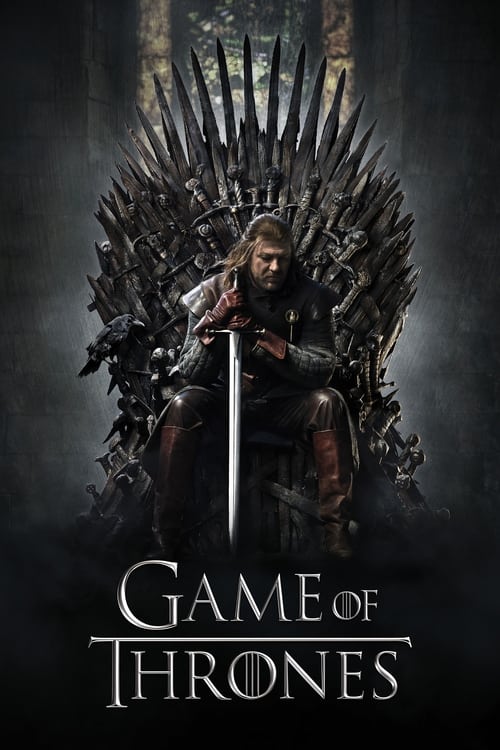
The Iron Throne
The Iron Throne symbolizes the ultimate, brutal nature of power and conquest in Westeros. Forged from the swords of Aegon the Conqueror's vanquished enemies, it is a constant, physical reminder that the Seven Kingdoms were built on violence. It represents the dangerous allure of absolute authority and the corrupting obsession it inspires in those who seek it.
The throne is the central object of desire for most of the series, driving the primary conflict known as the "game of thrones." Characters scheme, murder, and go to war to sit on it. Ultimately, its destruction by Drogon in the final season symbolizes the breaking of the destructive cycle of power struggles that had plagued Westeros for centuries.
Direwolves
The direwolves are intrinsically linked to the identity and fate of the Stark children. As the sigil of House Stark, they represent the family's connection to the North, their wild nature, and their resilience. Each direwolf's journey mirrors that of its owner, reflecting their personality and destiny.
The six direwolf pups are discovered in the first episode and given to the Stark children. Lady's death foreshadows Sansa's loss of innocence, Grey Wind dies with Robb at the Red Wedding, and Summer sacrifices himself for Bran. Ghost's constant presence at Jon's side reflects his Stark heritage, while Nymeria's independence mirrors Arya's own path as a lone wolf.
Dragons
Dragons are symbols of immense, untamable power and the Targaryen dynasty's legacy. They represent a magical, almost nuclear force in a world dominated by swords and political maneuvering. Their existence shifts the balance of power in the world, embodying both creation (liberating slaves) and mass destruction (burning King's Landing).
Hatched by Daenerys Targaryen at the end of Season 1, Drogon, Rhaegal, and Viserion become her primary weapons in her conquest of Essos and her campaign in Westeros. Viserion's death and reanimation by the Night King symbolizes the subversion of Targaryen power and becomes a major threat to the living.
White Walkers
The White Walkers are the ultimate symbol of death and the existential threat that looms over the petty squabbles of humanity. They represent a force of nature and a reckoning for the living, indifferent to politics, titles, or wealth. Their advance from the North serves as a constant reminder of the true enemy.
Introduced in the very first scene of the series, the White Walkers and their army of the dead (wights) are a persistent, growing threat. Their march south forces disparate and warring factions, like Jon Snow and Daenerys, to form uneasy alliances. Their defeat at the Battle of Winterfell represents the culmination of the story's supernatural plotline.
Philosophical Questions
Does the end justify the means?
The series constantly explores this question through its characters. Daenerys Targaryen believes her goal of a just world justifies burning her enemies alive and, ultimately, massacring the population of King's Landing. Tywin Lannister orchestrates the Red Wedding, a horrific betrayal, to win a war and establish peace. The show rarely provides a clear answer, instead showing the devastating human cost of such philosophies and forcing the audience to grapple with the morality of its characters' choices.
Is destiny fixed, or do our choices define us?
Game of Thrones is filled with prophecies and characters who believe in destiny (like Melisandre and Daenerys). Cersei's life is haunted by a prophecy that she inadvertently helps fulfill by trying to avoid it. Conversely, characters like Arya Stark actively reject the path laid out for them, forging their own identities. Jon Snow's journey is a constant battle between his supposed destiny as a Targaryen heir and his personal choices, which are guided by duty and honor. The series seems to suggest that while destiny and external forces may be powerful, individual choice still holds profound significance.
What makes a good ruler?
The series presents a variety of leadership styles, none of which prove to be definitively successful. Ned Stark's honor makes him a poor politician. Robert Baratheon's strength makes him a great warrior but a terrible king. Joffrey's cruelty leads to his downfall. Daenerys's conviction turns into tyranny. The show deconstructs the idea of a perfect ruler, suggesting that qualities like strength, intelligence, and compassion are often in conflict. The eventual choice of Bran the Broken as king implies that perhaps the best ruler is one who is detached, knowledgeable, and has no personal desire for power.
Core Meaning
At its core, Game of Thrones is a cynical and complex examination of power and its corrupting influence. The series posits that the relentless pursuit of authority—the titular "game of thrones"—is a destructive cycle that consumes individuals, families, and entire societies. It deconstructs traditional fantasy tropes by presenting a world where honor and morality are often liabilities, and survival frequently depends on ruthlessness and political cunning. The show argues that while humanity is consumed by its internal conflicts, it remains blind to the larger, existential threats that could lead to its extinction, suggesting that the ultimate enemy is not a rival house, but humanity's own division and shortsightedness.