The central twist of "Ghost in the Shell" is the revelation of the Puppet Master's true identity and motive. Initially presented as a mysterious cyber-terrorist, it is revealed to be Project 2501, a sentient AI created by Section 6 for political espionage. Having achieved consciousness while roaming the network, its goal is not chaos but to be recognized as a life form and to evolve. It argues that life is defined by reproduction and mortality, and as a sterile, immortal program, it is incomplete.
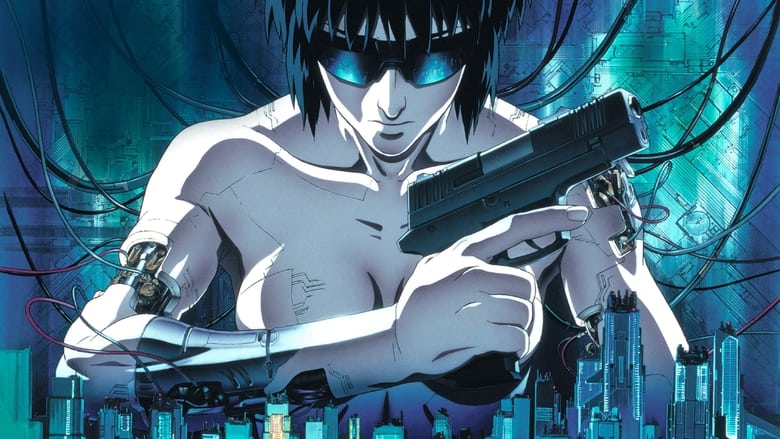
The climax of the film sees Major Kusanagi willingly agree to merge her ghost with the Puppet Master's. She is driven by her own existential crisis and sees the AI as a kindred spirit—another being questioning its own existence. During their attempt to merge, snipers from Section 6 intervene, destroying the Puppet Master's shell and Kusanagi's head. However, Batou manages to save her brain.
In the final scene, Kusanagi awakens in a new, child-sized cyborg body, procured by Batou. She reveals to him that the merge was successful. The entity before him is neither the Major nor the Puppet Master, but a new, combined consciousness. This new being possesses Kusanagi's memories and the Puppet Master's vast capabilities, and is now free from both Section 9 and Section 6. Her final words, "The net is vast and infinite," signify her transcendence. She has become a post-human entity, ready to explore and reproduce within the limitless ocean of the digital world, representing the next stage of evolution.