God's Own Country
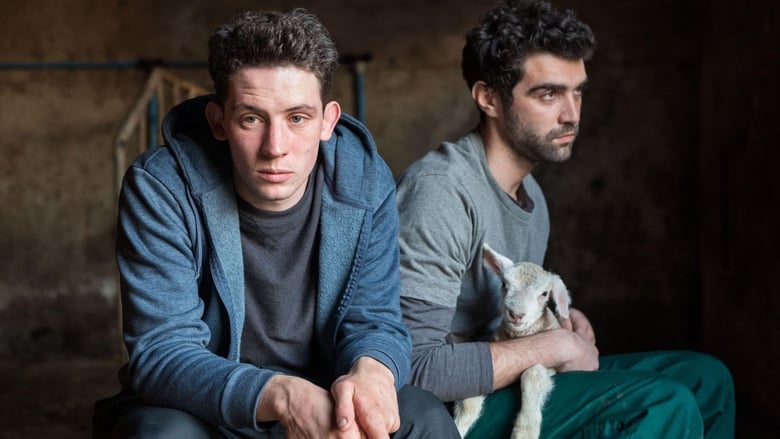
A raw, tactile romance set against the harsh windswept moors of Yorkshire. Amidst mud, blood, and isolation, a repressed sheep farmer finds tenderness and transformation in the arrival of a Romanian migrant worker.
God's Own Country
God's Own Country
31 August 2017 United Kingdom 105 min ⭐ 7.8 (961)
Director: Francis Lee
Cast: Josh O'Connor, Alec Secăreanu, Gemma Jones, Ian Hart, Harry Lister Smith
Drama Romance
Transformation through Intimacy Landscape as Character Xenophobia and Belonging Duty vs. Freedom
Box Office: $2,559,939

God's Own Country - Ending Explained

⚠️ Spoiler Analysis

The film subverts the expectation of a tragic ending common in queer cinema. After Gheorghe leaves due to Johnny's drunken relapse, the narrative teeters on tragedy. However, Johnny breaks his pattern of passivity. He reconciles with his father, who gives him tacit permission to run the farm his way. Johnny travels to Scotland to find Gheorghe working at a potato farm.

In a reversal of roles, Johnny becomes the vulnerable one, admitting he is a 'fuck up' and asking Gheorghe to return—not just as a worker, but as a partner. The film ends with Gheorghe's caravan being towed away, signifying he is moving into the main house. They are shown working the farm together, united. The final shots imply a hard life, but one faced together, offering a powerful message of redemption and domestic stability.

Alternative Interpretations

The Political Allegory: Some critics view the film as a direct response to Brexit. Gheorghe represents the vital, revitalizing force of Europe/immigration that the stagnant, isolated 'island' (Johnny/ the farm) rejects but desperately needs to survive.

Nature vs. Nurture: The film can be read as a study on environmental determinism. Johnny is hard and cold because the land is hard and cold. Gheorghe constitutes a 'new climate' that literally changes Johnny's nature, suggesting that toxic masculinity is a learned defense mechanism against a harsh environment, not an inherent trait.