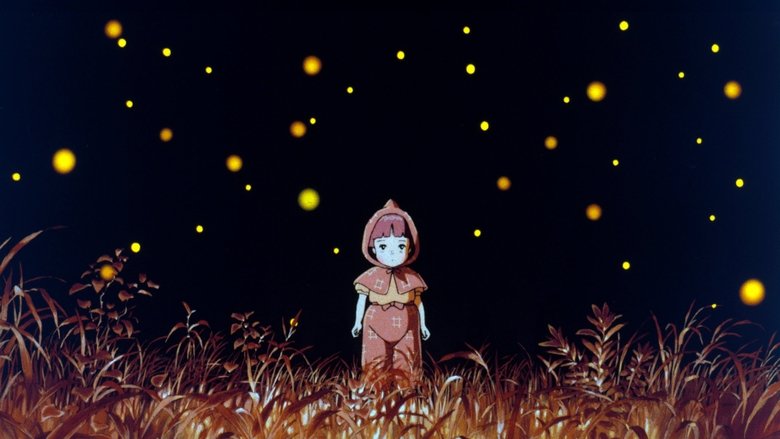
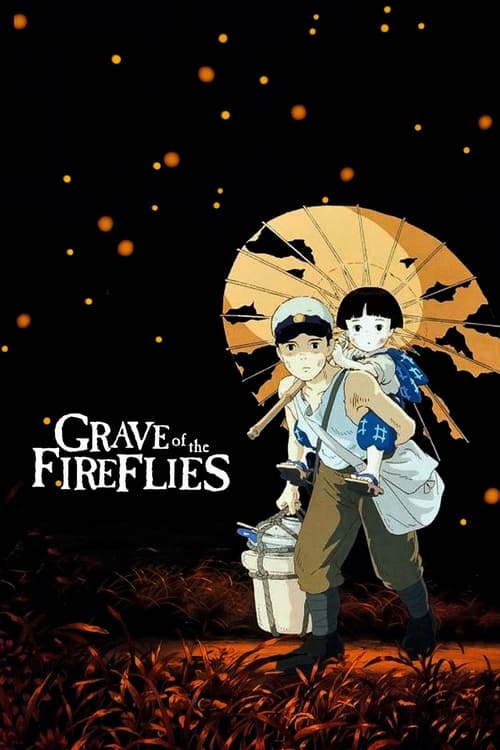
The narrative structure of "Grave of the Fireflies" is built around the revelation of its ending at the very beginning. The opening scene shows the spirit of Seita looking upon his own starved body at a Sannomiya train station on September 21, 1945. A janitor discovers a small candy tin on his body, and upon throwing it into a field, the spirit of his younger sister, Setsuko, emerges, and they are reunited. This framing device immediately establishes that both children die, turning the film into a flashback explaining how they reached this tragic end.
The plot follows their journey after their mother dies from horrific burns sustained in a firebombing raid, a fact Seita hides from Setsuko for as long as possible. Their conflict with their aunt escalates over food and their perceived lack of contribution, culminating in Seita's prideful decision to move into an abandoned bomb shelter. This choice is the story's crucial turning point. While it grants them freedom and moments of idyllic beauty, such as lighting their cave with fireflies, it completely severs them from any access to food and security. Seita's inability to provide leads him to steal food during air raids.
Ultimately, Setsuko succumbs to severe malnutrition. In her final moments, she is delirious, sucking on marbles she thinks are fruit drops and offering Seita "rice balls" made of mud. After she dies, Seita learns that Japan has surrendered and the war is over, rendering their struggle and his father's naval service meaningless. He cremates Setsuko's body, placing her ashes in the fruit drop tin. He then returns to the train station, where he himself dies of starvation, bringing the story full circle. The final shot shows the spirits of Seita and Setsuko, healthy and happy, looking down from a hillside onto the modern, rebuilt city of Kobe, forever separated from the world that failed them.