The series finale reveals the darkest secrets of Class 3-4's hatred for teachers. It is revealed that their former teacher, Mr. Saito, had an inappropriate relationship with a student who then committed suicide after being pressured by the school's board to keep quiet. Miyabi Aizawa, who witnessed the tragedy, blames all teachers for the cover-up. In the climax, Miyabi stabs an abusive teacher in a fit of rage. To save her future, Onizuka takes the blame for the stabbing, effectively 'resetting' her life at the cost of his own career. This final twist recontextualizes the entire series: Onizuka wasn't just 'fixing' students; he was fighting a war against the systemic corruption that kills children's souls. His escape to California is his final lesson: that a true teacher is a free spirit who belongs wherever students are suffering.

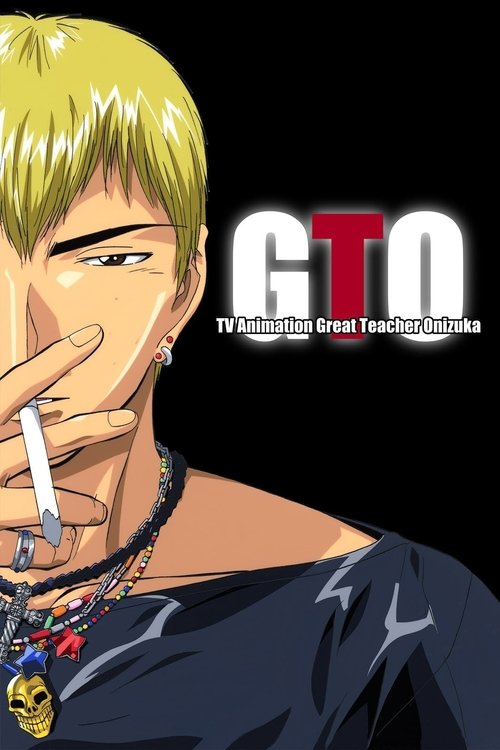
グレート・ティーチャー・オニヅカ
Cast: Wataru Takagi, Junko Noda, Isshin Chiba, Junichi Suwabe, Kazuhiro Nakata
Great Teacher Onizuka — Ending Explained
⚠️ Spoiler Analysis
Alternative Interpretations
Critics and fans have debated the series' ending and Onizuka's true nature. One common interpretation is that Onizuka is a 'Peter Pan' figure—a man who refuses to grow up and thus is the only one who can truly understand children. His move to California in the anime is often viewed as a metaphorical admission that his radical methods cannot be permanently integrated into the rigid Japanese structure; he must remain a wandering 'ronin' of education. Another perspective suggests the show is a modern samurai tale, where the 'Way of the Warrior' (bushido) is replaced by 'The Way of the Teacher,' with Onizuka's loyalty and sacrifice serving as his code of honor.
Explore More About This Movie
Dive deeper into specific aspects of the movie with our detailed analysis pages