
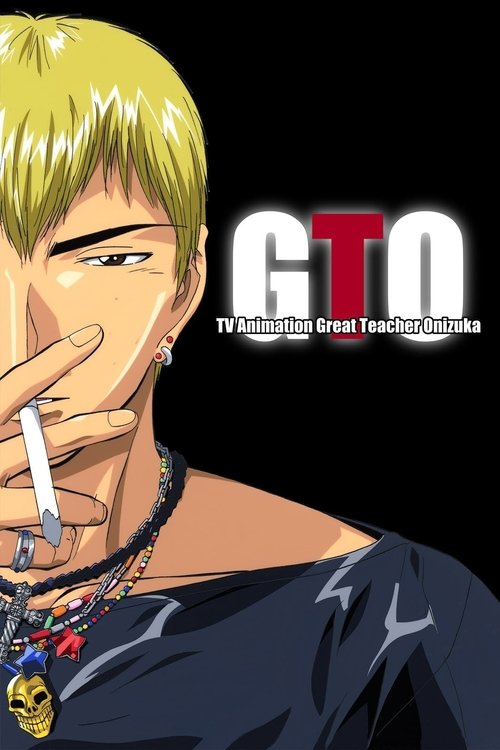
グレート・ティーチャー・オニヅカ
Great Teacher Onizuka - Symbolism & Philosophy
Symbols & Motifs
The Toyota Cresta
Symbolizes fragile adult materialism and the obsession with status.
Belonging to Vice Principal Uchiyamada, the car is repeatedly destroyed throughout the series. Its destruction represents how the rigid, material-focused adult world is shattered every time Onizuka intervenes in his students' lives.
The Sledgehammer
Symbolizes shattering barriers and systemic change.
In the first episode, Onizuka literally breaks down a wall in a student's home to force her parents to look at each other. This motif recurs metaphorically as he breaks down the psychological walls of his students.
Onizuka's Kawasaki Z1
Symbolizes freedom and the "Oni-Baku" legacy.
The motorcycle represents Onizuka's refusal to leave his past behind and his commitment to a life on the road, free from the constraints of corporate or academic society.
Cosplay and Costumes
Symbolizes authenticity through absurdity.
Onizuka often wears ridiculous costumes (Doraemon, an elephant, etc.) to teach lessons. This visually signals that he doesn't care about his dignity as an "authority figure," only about getting through to the kids.
Philosophical Questions
Does a mentor need to be 'moral' to be effective?
Onizuka is a pervert, a gambler, and a former criminal. Yet, he is the only one who saves the students. The series asks if personal flaws are secondary to the sincerity of one's actions and the ability to empathize with the suffering of others.
Is the destruction of property justifiable for emotional breakthroughs?
Through the recurring destruction of the Cresta and the smashing of walls, the show explores the ethics of 'radical intervention.' It suggests that in a society where facades are everything, sometimes the only way to reach the truth is to physically break the masks people hide behind.
What is the true purpose of education?
The show constantly challenges whether school is meant to produce efficient workers or well-rounded human beings. Onizuka's 'Lessons' are never about math or history, but about how to survive, how to love, and how to forgive oneself.
Core Meaning
The core message of Great Teacher Onizuka is a scathing critique of the "Exam Hell" and the dehumanizing nature of the traditional Japanese education system. The series argues that true education is not the accumulation of facts, but the cultivation of character and the courage to live authentically. Through Onizuka, the creators suggest that the youth do not need more authority figures or bureaucrats; they need "human" mentors who are willing to bleed for them. It posits that the labels of "delinquent" or "failure" are often products of a failing system, and that human connection is the only effective tool for breaking the cycle of social withdrawal and despair.