
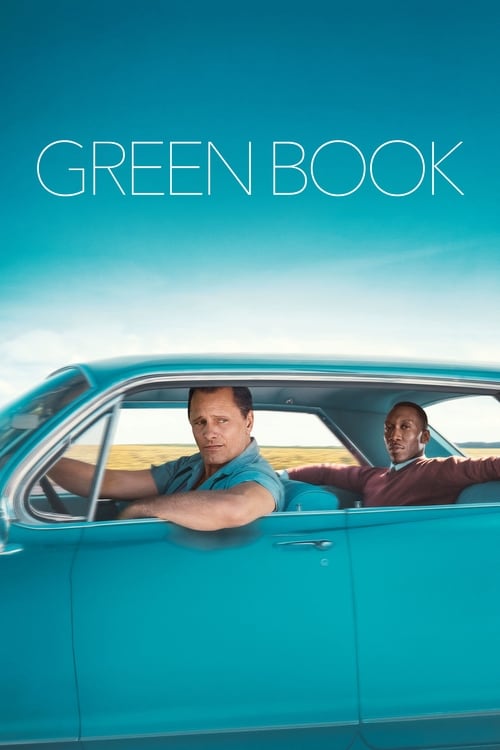
The narrative of "Green Book" culminates in a final act of defiance and a heartwarming resolution. The major turning point occurs in Birmingham, Alabama, on the night of the final concert. Dr. Shirley is refused service at the whites-only restaurant of the country club where he is scheduled to perform. Despite Tony's attempts to persuade the manager, the racist policy is upheld. In a crucial decision, Dr. Shirley refuses to play, choosing his dignity over the performance. This act is the culmination of his journey, demonstrating that he will no longer tolerate the very injustices he set out to confront.
Following this, Tony takes Dr. Shirley to a predominantly black blues club, the Orange Bird. Here, for the first time in the film, Dr. Shirley plays music for a black audience, not as a classical virtuoso, but as a participant in a joyous, communal musical experience. This scene is pivotal as it shows him connecting with a part of his identity he had previously seemed estranged from. It is a moment of liberation and belonging. The ending sees Tony and Dr. Shirley driving back to the Bronx on Christmas Eve, getting stopped by a police officer who, in a surprising turn, helps them with a flat tire. They arrive late to Tony's family dinner, and after some initial hesitation, Dr. Shirley decides to join them, where he is warmly welcomed. This final scene solidifies their friendship, suggesting that the connection they've forged has created a new, inclusive sense of family and community for both men, transcending the racial and class barriers that once separated them. The hidden meaning is that true change begins at home, in the acceptance and love shared between individuals, which can then ripple outwards.