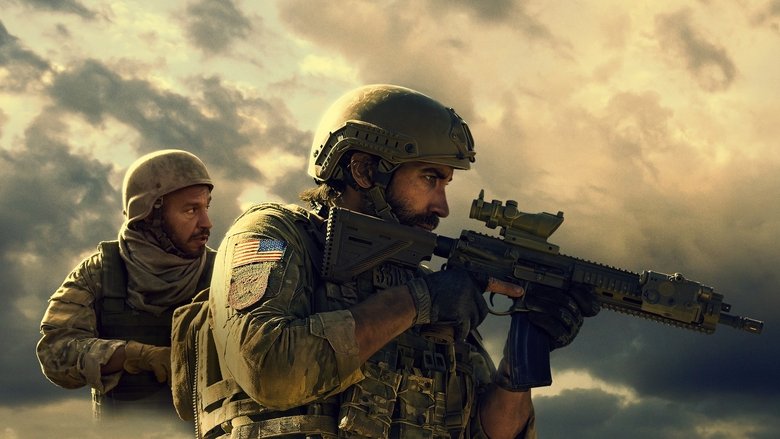
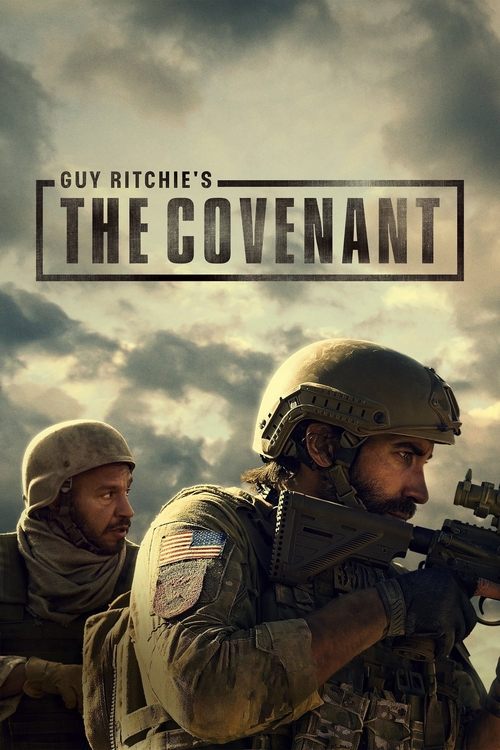
"A bond. A pledge. A commitment."
Guy Ritchie's The Covenant - Symbolism & Philosophy
Symbols & Motifs
The Hook
A metaphor for guilt and moral obligation.
Kinley describes his PTSD and insomnia as a literal hook in his chest, pulling him back to Afghanistan. It represents the inability to move forward until the debt is paid.
The Visa
The elusive promise of safety and the failure of the American Dream.
It appears constantly as a piece of paperwork that is promised, delayed, and denied. It symbolizes the hollow bureaucratic pledges made to local allies.
The Dam
A point of no return and a final stand.
The climax takes place at the Darunta Dam. Visually, it separates safety from danger, offering a bridge to freedom that must be crossed under fire.
The Cart
Sheer human will and physical burden.
The makeshift wooden cart Ahmed uses to drag Kinley over the mountains visually manifests the immense physical weight of saving another human life.
Philosophical Questions
Does a system's failure justify extra-legal action?
Kinley uses a private military contractor and goes rogue because the U.S. government fails to uphold its end of the deal. The film posits that individual morality supersedes legal or bureaucratic constraints when human life and honor are at stake.
What is the true weight of a life?
The film asks what one life is worth. Ahmed risks his family for Kinley. Kinley risks his future and millions of dollars for Ahmed. It suggests that a life saved creates a spiritual imbalance that can only be righted by reciprocity.
Core Meaning
The film essentially deconstructs the definition of its title: a Covenant is not just a contract, but a sacred spiritual bond. Guy Ritchie moves away from his signature stylized crime capers to tell a story about integrity—the terrifying weight of a life-debt. The core message is that when institutions (governments, armies) fail to honor their promises, the individual must step in to fulfill the moral obligation, regardless of the personal cost.