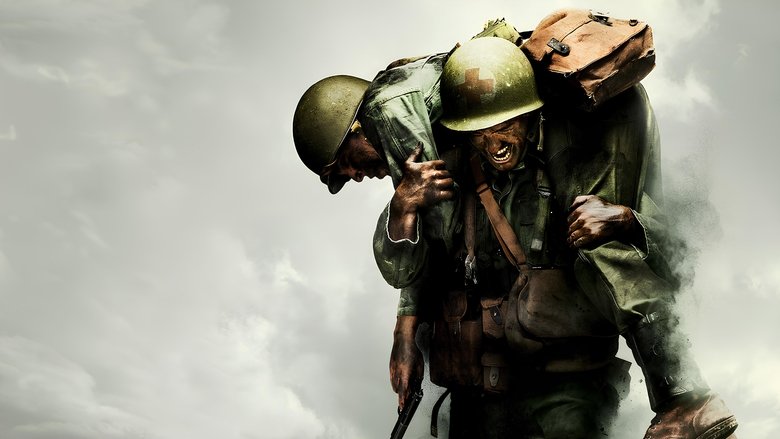
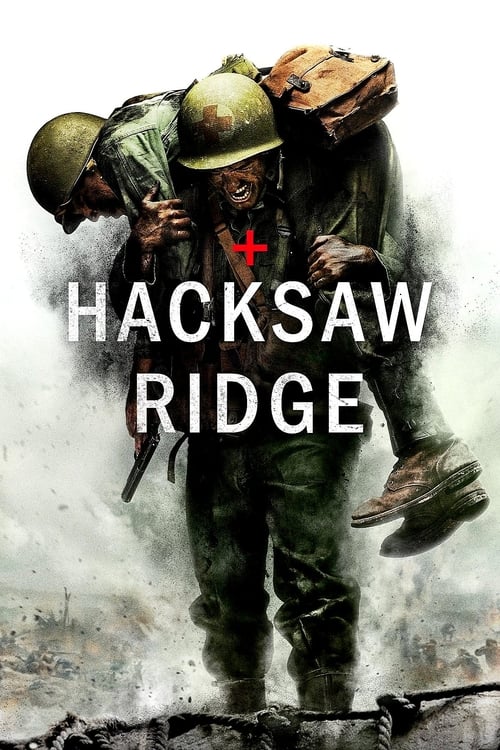
Hacksaw Ridge
A visceral yet spiritual war epic, pulsating with the raw brutality of battle while clinging to a defiant flame of faith against the storm of human conflict.
Hacksaw Ridge
Hacksaw Ridge

"One of the greatest heroes in American history never fired a bullet."

07 October 2016 Australia 139 min ⭐ 8.2 (14,347)
Director: Mel Gibson
Cast: Andrew Garfield, Sam Worthington, Vince Vaughn, Teresa Palmer, Luke Bracey
Drama War History
Faith and Conviction The Horrors of War vs. Pacifism Courage and Heroism Man vs. Institution
Budget: $40,000,000
Box Office: $175,302,354

Hacksaw Ridge - Ending Explained

⚠️ Spoiler Analysis

"Hacksaw Ridge" follows a fairly linear and predictable narrative based on a true story, so its power lies not in plot twists, but in the execution of its foretold events. The film's climax occurs after the American forces are driven from the ridge in a bloody retreat, leaving dozens of wounded behind. The turning point is Desmond's decision to stay behind alone. Under the cover of darkness and constant enemy fire, he begins his seemingly impossible mission. He rigs a rope system and, one by one, finds and lowers approximately 75 wounded soldiers down the cliff face to safety. His repeated prayer, "Please Lord, help me get one more," becomes the film's emotional core.

His actions completely transform his reputation within the unit. The men who once beat him now see him as a savior. In a pivotal moment before the final assault, the entire company delays their attack to wait for Doss, their new spiritual touchstone, to finish his Sabbath prayers. During this final battle, Desmond's bravery continues as he saves more men, including his former tormentor, Smitty Ryker (who dies from his wounds), and Captain Glover. In an ambush, Desmond is wounded by a grenade blast. The film ends with his evacuation; as he is lowered from the cliff, he is clutching the Bible Dorothy gave him. The final scenes feature archival footage and interviews with the real, elderly Desmond Doss and some of the men he saved, powerfully reinforcing the truth of the extraordinary events depicted. President Harry S. Truman is shown awarding Doss the Medal of Honor, the first ever given to a conscientious objector.

Alternative Interpretations

While the primary interpretation of "Hacksaw Ridge" is a celebration of faith and conviction, some critics have offered alternative readings. One perspective suggests that the film, despite its pacifist hero, still indulges in and glorifies violence. This view argues that Mel Gibson's fascination with visceral, graphic bloodshed, a hallmark of his directorial style, almost revels in the carnage, potentially undermining the film's anti-war message. The brutality of the battle scenes is so intense and stylized that it can be seen as thrilling, an "action-film awesomeness" that the movie can't quit, which sits uneasily with its story of non-violence. Another interpretation views the film through the lens of Mel Gibson's own personal journey, seeing it as a form of public penance or a parallel to his own story. This reading suggests that Gibson identifies with Doss as a misunderstood figure of faith who endures ridicule and persecution before ultimately earning respect, making the film a deeply personal statement of redemption.