
切腹
"What befalls others today, may be your own fate tomorrow."
Director: Masaki Kobayashi
Cast: Tatsuya Nakadai, Akira Ishihama, Shima Iwashita, Tetsuro Tamba, Masao Mishima
Harakiri — Characters & Cast
Character Analysis
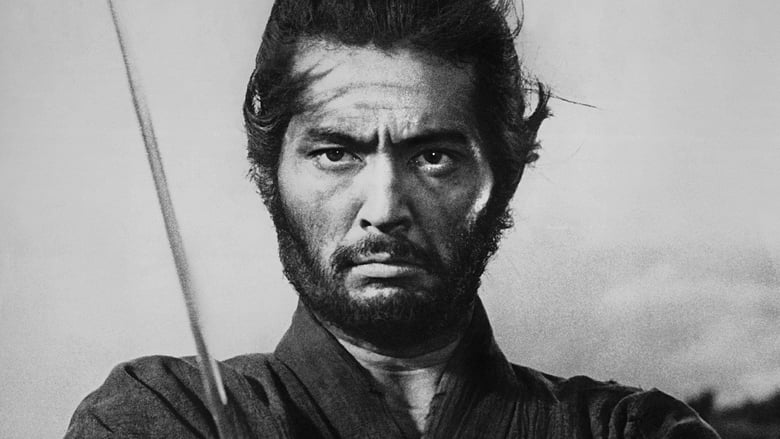
Tsugumo Hanshirō
Tatsuya Nakadai
Motivation
His primary motivation is not personal honor, but justice for the cruel, meaningless deaths of his son-in-law, Motome, his daughter, Miho, and his infant grandson, Kingo. He seeks to expose the inhumanity of the Iyi clan and make them account for their cruelty, using their own twisted code of honor against them.
Character Arc
Hanshirō begins as a seemingly defeated and destitute ronin, humbly requesting a place to die. Through his methodical storytelling, his true nature is revealed: he is an intelligent, patient, and deeply grieving man on a quest for justice, not honor. His initial calm transforms into righteous fury as he systematically exposes the Iyi clan's hypocrisy, moving from a passive storyteller to an active, avenging warrior who challenges the very foundations of the samurai code.
Saitō Kageyu
Rentarō Mikuni
Motivation
Saitō's sole motivation is the preservation of the Iyi clan's power, reputation, and honor at any cost. He is the enforcer of the rigid, unfeeling code, believing that any sign of leniency would make the clan appear weak. His actions are dictated by the need to maintain appearances and uphold the status quo.
Character Arc
Saitō starts as a calm, authoritative figure, confident in his clan's power and the righteousness of their strict adherence to Bushido. He is condescending and suspicious of Hanshirō. As Hanshirō's story unfolds, Saitō's composure cracks, revealing his deep-seated arrogance and concern for reputation over truth. By the end, he is exposed as a hypocrite, forced to orchestrate a massive cover-up to preserve the clan's tarnished image, embodying the film's critique of hollow authority.
Chijiiwa Motome
Akira Ishihama
Motivation
Motome's motivation was simple and pure: to get money to pay for a doctor for his critically ill wife and son. His 'suicide bluff' was a desperate, last-ditch effort to save his family, showing that he valued their lives over the abstract concept of his own samurai honor.
Character Arc
Motome's story is told entirely through flashbacks. Initially presented by Saitō as a dishonorable coward trying to exploit the 'suicide bluff', he is later revealed by Hanshirō to be a loving husband and father driven to desperation by poverty and sickness. His arc is a tragic recontextualization, transforming him from a cautionary tale of disgrace into a symbol of humanism crushed by a merciless system.
Cast
Explore More About This Movie
Dive deeper into specific aspects of the movie with our detailed analysis pages