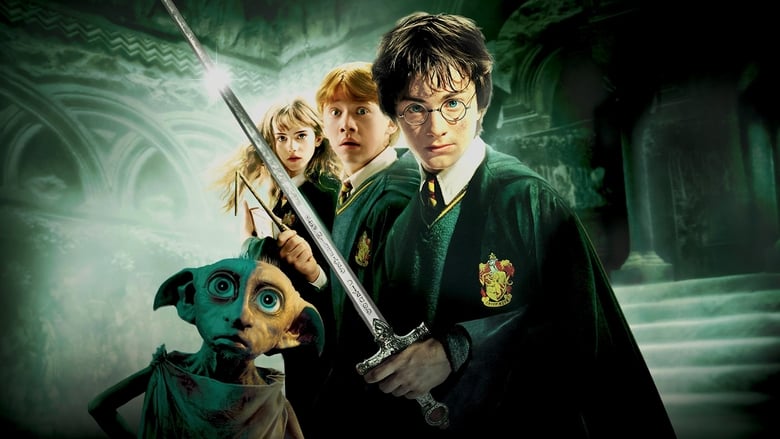
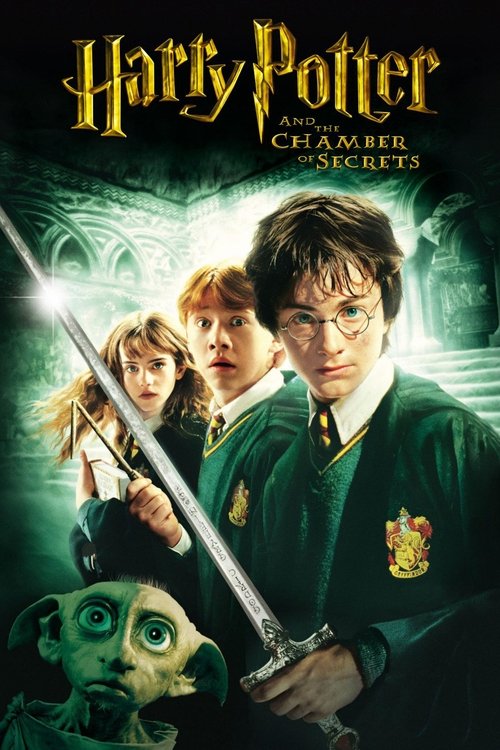
"Something evil has returned to Hogwarts!"
Harry Potter and the Chamber of Secrets - Symbolism & Philosophy
Symbols & Motifs
Tom Riddle's Diary
Symbolizes the dangers of the past and the seductive power of memory. It represents how unresolved history can manipulate and poison the present.
Harry communicates with the diary, which shows him a biased version of history. It eventually physically manifests the memory of Tom Riddle to threaten Ginny's life.
Fawkes the Phoenix
Represents undying loyalty, rebirth, and hope. Its tears heal fatal wounds, symbolizing that love and loyalty are antidotes to the poison of hatred.
Fawkes appears in the Chamber of Secrets at Harry's moment of greatest need, delivering the Sorting Hat (and Sword) and blinding the Basilisk.
The Flying Car (Ford Anglia)
A symbol of adolescent rebellion and freedom. It represents the chaotic transition from childhood to independence, literally breaking the barrier to the magical world when the gate is closed.
Used by Ron and Harry to get to Hogwarts when they miss the train; it later goes "feral" in the Forbidden Forest, saving them from the spiders.
The Sword of Gryffindor
Symbolizes true bravery and merit. It presents itself only to a "true Gryffindor," validating Harry's place in his house despite his doubts.
Harry pulls the sword from the Sorting Hat inside the Chamber to slay the Basilisk.
Philosophical Questions
Does our nature dictate our destiny?
The film asks whether we are born good or evil. Harry has innate "dark" qualities (Parseltongue, ambitious sorting), but the film argues through Dumbledore that moral agency (choices) overrides biological or magical inheritance.
What is the ethics of memory?
Through Gilderoy Lockhart, the film explores the violation of stealing and erasing memories. It posits that building an identity on stolen valor and lies is fragile and ultimately self-destructive, as one's true self is erased along with the lies.
Core Meaning
Choices Define Us
The central message of the film is articulated by Albus Dumbledore: "It is our choices, Harry, that show what we truly are, far more than our abilities." The film explores the anxiety of nature versus nurture. Harry fears he shares too many traits with the villainous Voldemort (like Parseltongue and the Sorting Hat's initial hesitation), but the narrative proves that one's lineage or inherent talents do not dictate one's morality—active decisions to be brave, loyal, and good do.