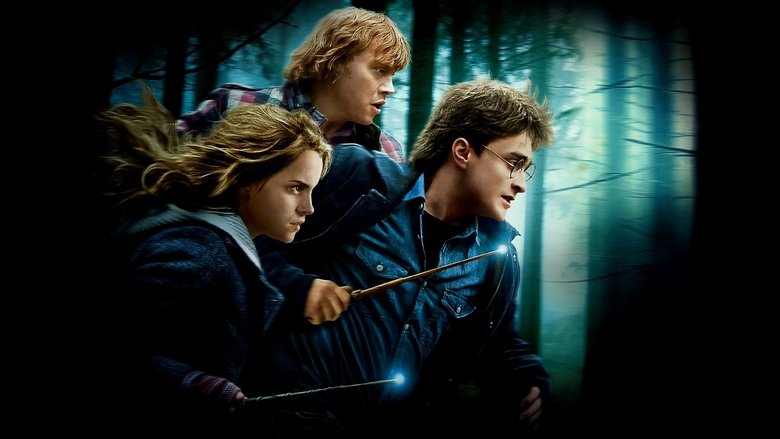
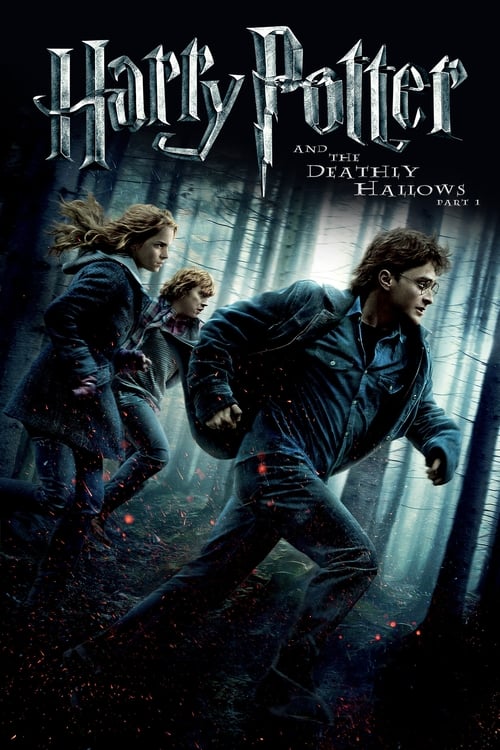
"Nowhere is safe."
Harry Potter and the Deathly Hallows: Part 1 - Symbolism & Philosophy
Symbols & Motifs
Slytherin's Locket
Represents the physical and psychological burden of the quest. It symbolizes the toxicity of negative emotions—jealousy, paranoia, and despair—that can weigh down even the strongest friendships.
The trio takes turns wearing it, and it visibly drains their energy and mood, directly leading to Ron's departure.
The Silver Doe
A symbol of enduring love, guidance, and hope in the darkest of times. It represents a benevolent force watching over Harry even when he feels most abandoned.
It appears to Harry in the Forest of Dean, leading him to the Sword of Gryffindor beneath the frozen ice.
The Snitch
Symbolizes the acceptance of destiny and death. The inscription 'I open at the close' foreshadows that the ultimate understanding comes only at the end of the journey.
Dumbledore leaves it to Harry in his will; Harry carries it throughout the film, unable to open it yet.
The Three Brothers Animation
An allegorical representation of the different approaches to mortality: avoiding it, reversing it, or greeting it as an old friend.
Hermione reads the tale at the Lovegood house, visualized through a unique shadow-puppet animation style.
Philosophical Questions
Does the end justify the means?
The film explores this through Dumbledore's past (revealed by Rita Skeeter and Aunt Muriel). Harry must grapple with the fact that his moral compass, Dumbledore, may have sacrificed his own sister or flirted with dark domination 'for the greater good,' forcing Harry to decide if he should trust the mission despite the flaw of its architect.
Is death a master or a friend?
Through the Tale of the Three Brothers, the film posits three views on death: avoiding it (power), reversing it (attachment), or accepting it. The film suggests that true mastery over death is not immortality (Voldemort's goal) but the acceptance of mortality (the third brother's choice).
Core Meaning
The film deconstructs the hero's journey, stripping away the glamorous trappings of magic to reveal the gritty endurance required to survive a totalitarian regime. At its heart, it explores the painful transition from adolescence to adulthood, where one must learn to operate without mentors, question authority figures (even loved ones like Dumbledore), and find hope in a world that seems entirely abandoned by light.