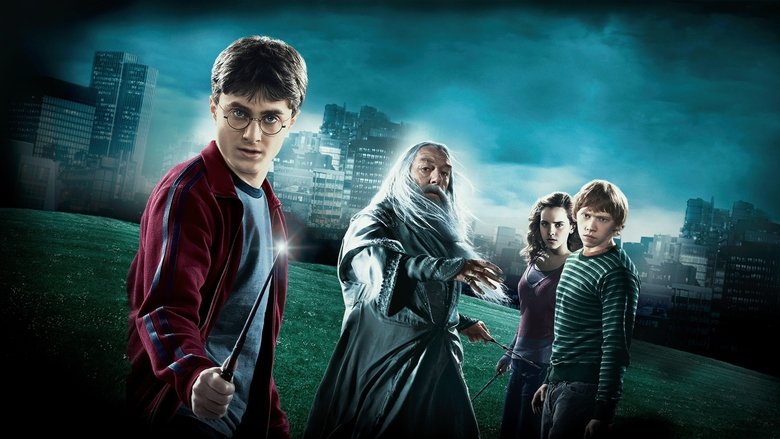
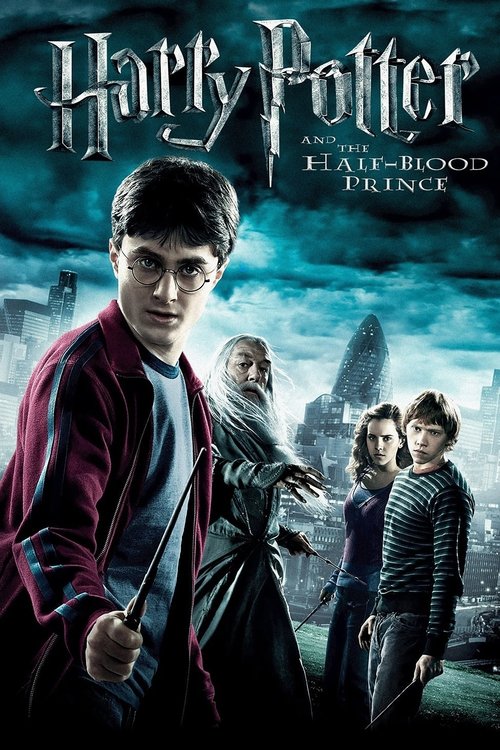
"Dark secrets revealed."
Harry Potter and the Half-Blood Prince - Symbolism & Philosophy
Symbols & Motifs
The Vanishing Cabinet
A bridge between the safety of Hogwarts and the danger of the outside world (Borgin & Burkes). It symbolizes the corruption of the sanctuary and the inevitability of war infiltrating even the safest places.
Draco spends the year repairing the cabinet in the Room of Requirement, using a bird to test it. The bird's death and subsequent life foreshadow the danger Draco is bringing into the school.
Felix Felicis (Liquid Luck)
Symbolizes the power of confidence and the illusion of control. While it grants luck, it also reveals that success often comes from intuition and taking risks rather than rigid planning.
Harry wins the potion and uses it to manipulate Slughorn into revealing his memory. It represents a lighter, more whimsical magic in a dark film.
The Potion in the Cave
The physical manifestation of suffering and the burden of knowledge. Dumbledore must consume his own pain and fear to uncover the truth, symbolizing the self-sacrifice required of a leader.
In the seaside cave, Dumbledore is forced to drink the emerald potion to reach the locket, reducing the most powerful wizard to a sobbing, vulnerable shell.
The Half-Blood Prince's Textbook
Knowledge without context. It offers Harry power and success (Sectumsempra) but carries a dark legacy, teaching him that shortcuts to power often come with dangerous consequences.
Harry becomes obsessed with the book's notes, excelling in class but eventually using a dark spell that nearly kills Draco, paralleling Voldemort's use of dark knowledge.
Philosophical Questions
Does the end justify the means?
The film explores this through Dumbledore and Snape. Dumbledore manipulates Harry and Slughorn for the 'greater good.' Snape kills his only ally to maintain his cover and save Draco. The film asks if these moral compromises are acceptable to defeat a greater evil.
Can a soul be repaired?
Through the concept of Horcruxes, the film posits that murder rips the soul apart. Slughorn's memory and Harry's mission suggest that remorse is the only, albeit painful, way to heal—a path Voldemort rejects but Draco may still be capable of.
Is destiny a choice?
Voldemort sets the prophecy in motion by choosing to attack Harry. Harry chooses to be the 'Chosen One' not because of the prophecy, but because Voldemort killed his parents. The film emphasizes that our choices define us more than our abilities or prophecies.
Core Meaning
The Loss of Innocence and the Burden of Legacy
Director David Yates portrays the painful transition from adolescence to adulthood. The film suggests that to fight evil, one must understand it—exploring the origins of Voldemort (Tom Riddle) to find his weakness. It deconstructs the infallibility of mentors (Dumbledore) and reveals the human fragility behind villains (Draco), ultimately showing that Harry must face his destiny alone.