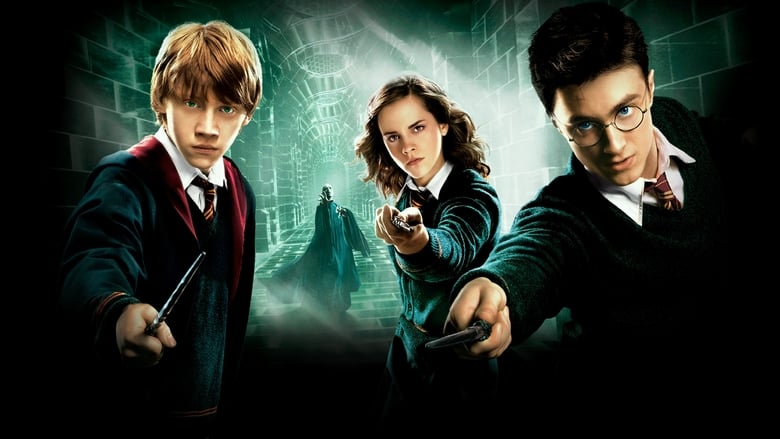
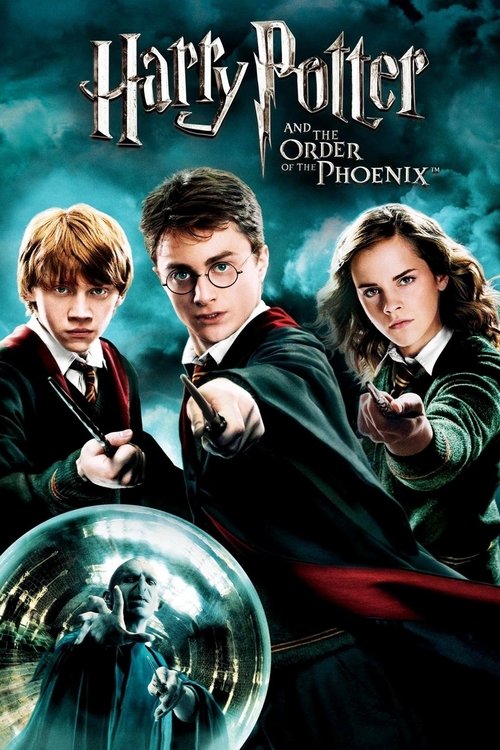
Harry Potter and the Order of the Phoenix
A dark, psychological thriller cloaked in fantasy, where the oppressive weight of bureaucratic tyranny meets the raw isolation of teenage trauma. It is a visual symphony of shadows and resistance, capturing the silent scream of a boy forced to become a soldier.
Harry Potter and the Order of the Phoenix

"The rebellion begins."

08 July 2007 United Kingdom 138 min ⭐ 7.7 (20,477)
Director: David Yates
Cast: Daniel Radcliffe, Rupert Grint, Emma Watson, Imelda Staunton, Helena Bonham Carter
Fantasy Adventure
Institutional Oppression and Corruption Isolation and Trauma Rebellion and Choice Media Manipulation
Budget: $150,000,000
Box Office: $938,212,738

Harry Potter and the Order of the Phoenix - Ending Explained

⚠️ Spoiler Analysis

The film builds to a climax in the Department of Mysteries. Harry is lured there by a false vision planted by Voldemort showing Sirius being tortured. This reveals the central twist: Harry's mind is vulnerable to manipulation. In the ensuing battle, the Order of the Phoenix arrives to save the students. Tragedies strike when Sirius Black is killed by Bellatrix Lestrange, knocking him through the Veil.

The ultimate revelation comes after Dumbledore duels Voldemort to a stalemate. Voldemort attempts to possess Harry, hoping Dumbledore will kill them both. However, Harry forces Voldemort out by focusing on the love and grief he feels for his friends and godfather—emotions Voldemort cannot tolerate. The film ends with the Ministry finally forced to admit Voldemort's return, vindicating Harry but leaving him to mourn yet another loss.

Alternative Interpretations

The Political Allegory: Many critics view the film as a critique of the War on Terror, with the Ministry's denial representing government refusal to acknowledge inconvenient truths and the use of "security" measures (Educational Decrees) to strip away civil liberties.

Harry's Mental State: The film can be interpreted as a metaphor for adolescence and mental illness. Harry's isolation, anger, and the literal "voice in his head" (Voldemort) serve as a powerful allegory for depression and the feeling of being misunderstood by the adult world.