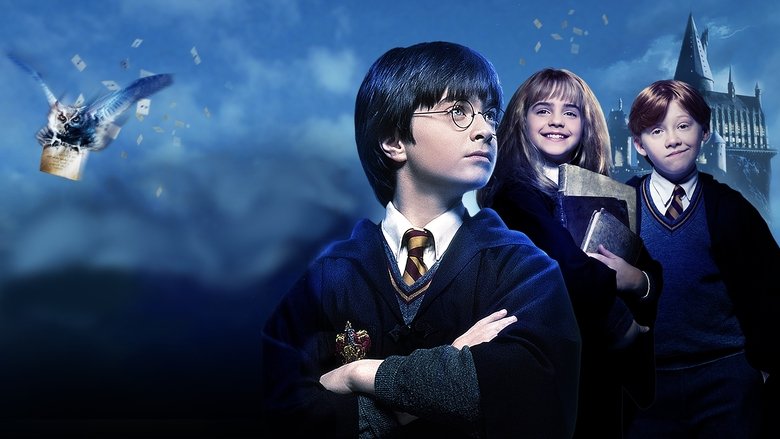
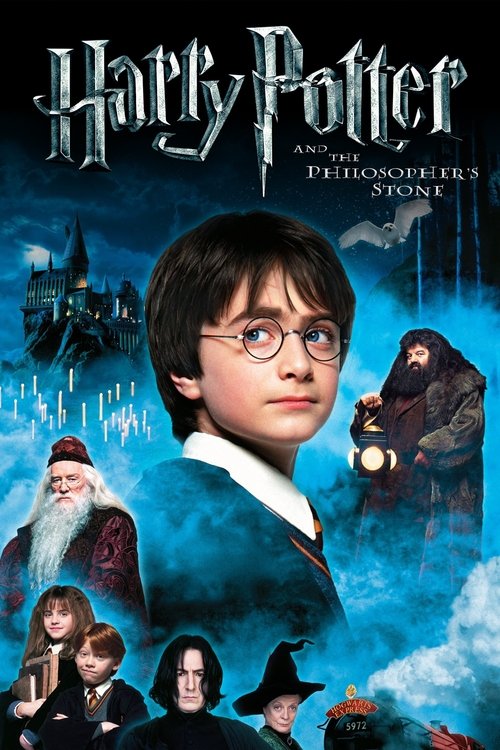
Harry Potter and the Philosopher's Stone
A whimsical fantasy adventure that blossoms with the warmth of newfound friendship, painting a world of magic through the wide eyes of a boy discovering his destiny.
Harry Potter and the Philosopher's Stone

"Let the magic begin."

16 November 2001 United Kingdom 152 min ⭐ 7.9 (28,740)
Director: Chris Columbus
Cast: Daniel Radcliffe, Rupert Grint, Emma Watson, Richard Harris, Tom Felton
Fantasy Adventure
Good vs. Evil Friendship and Loyalty The Power of Love Choice and Destiny
Budget: $125,000,000
Box Office: $976,475,550

Harry Potter and the Philosopher's Stone - Ending Explained

⚠️ Spoiler Analysis

The central mystery of "Harry Potter and the Philosopher's Stone" revolves around the identity of the person trying to steal the magical stone. Throughout the film, all clues point towards the sinister Potions Master, Professor Snape. He is portrayed as antagonistic towards Harry, is seen muttering a counter-curse during a Quidditch match (which Hermione mistakes for the jinx itself), and is seen intimidating Professor Quirrell. This is a masterful use of misdirection.

The film's major twist is revealed in the final act: the true villain is the timid, stuttering Professor Quirrell. Far from being Snape's victim, Quirrell was actively trying to acquire the stone for Lord Voldemort, whose disembodied spirit has been living on the back of Quirrell's head, concealed by his turban. Snape, in fact, was trying to protect Harry all along. The final confrontation reveals that Harry is protected by an ancient magic created by his mother's loving sacrifice. When Quirrell (and by extension, Voldemort) touches Harry, his skin burns and turns to ash, as he is filled with hatred and cannot endure contact with someone marked by such powerful, pure love. Harry passes out from the ordeal, and when he awakens, Dumbledore explains the full truth about his mother's protection and reveals that he and Nicolas Flamel have decided to destroy the stone to prevent it from ever being used for evil. The ending solidifies the core theme that love is the most powerful magic of all, a concept that becomes central to the entire seven-part saga.

Alternative Interpretations

While the film presents a relatively straightforward narrative of good versus evil, some alternative interpretations exist. One perspective views the story through a lens of social commentary on the British class system and prejudice. The pure-blood versus Muggle-born conflict, personified by the disdain Draco Malfoy shows for Hermione, can be seen as an allegory for racism and bigotry. The Dursleys represent the worst of middle-class conformity and intolerance for anything different.

Another interpretation delves into the psychological aspects of Harry's journey. His initial life in the cupboard under the stairs can be read as a metaphor for childhood neglect and trauma. The discovery of the magical world, therefore, represents a form of escapism and the creation of a rich inner world to cope with an unbearable reality. From this viewpoint, Hogwarts is not just a school but a sanctuary and a place for psychological healing, where Harry finds a supportive community and builds the self-esteem that was denied to him in his early life.