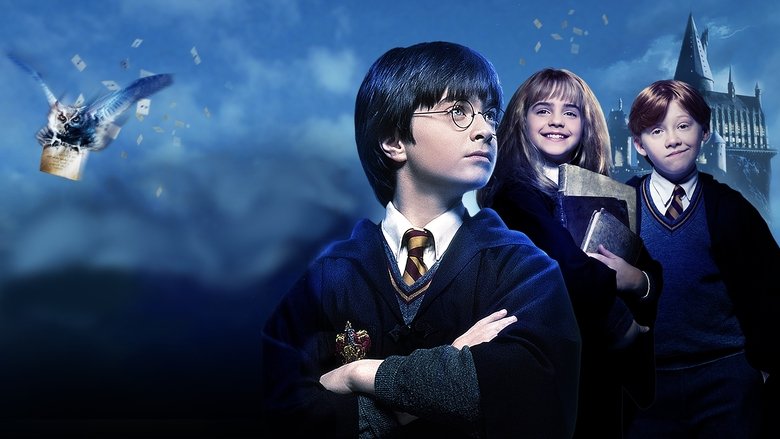
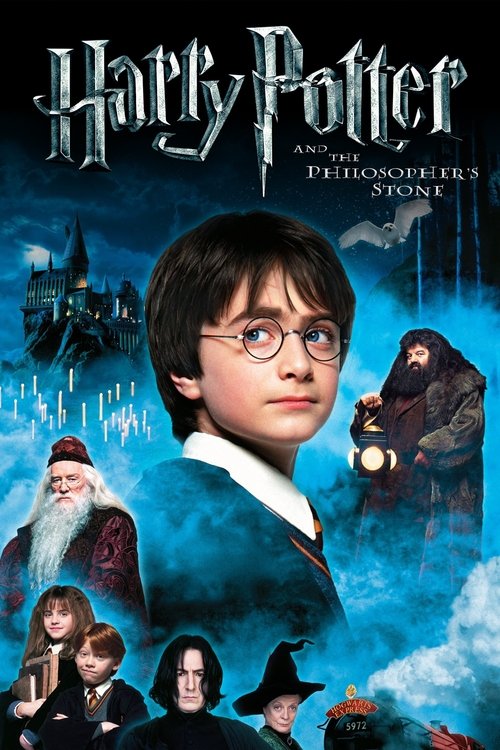
"Let the magic begin."
Director: Chris Columbus
Cast: Daniel Radcliffe, Rupert Grint, Emma Watson, Richard Harris, Tom Felton
Harry Potter and the Philosopher's Stone — Movie Quotes
Memorable Quotes
It does not do to dwell on dreams and forget to live.
Context
Harry has been secretly visiting the Mirror of Erised, which shows him his deepest desire: to be with his deceased parents. Dumbledore finds him there and gently explains the mirror's dangerous allure before telling him it will be moved.
Meaning
This quote encapsulates one of the film's key themes. Dumbledore says this to Harry after finding him mesmerized by the Mirror of Erised. It is a profound piece of wisdom about the dangers of living in the past or in fantasy, and the importance of engaging with the present reality.
You're a wizard, Harry.
Context
After the Dursleys try to escape the barrage of Hogwarts letters, Hagrid tracks them down to a remote hut on his eleventh birthday. He delivers Harry's acceptance letter personally and reveals his true identity when Harry expresses confusion.
Meaning
This is the pivotal line that changes Harry's life forever. It's the moment the magical world is revealed to him and the audience. The quote signifies the beginning of Harry's journey of self-discovery and his transition from a neglected orphan to a central figure in a world of magic.
It takes a great deal of bravery to stand up to our enemies, but just as much to stand up to our friends.
Context
During the end-of-year feast, Dumbledore is awarding last-minute house points. After giving points to Harry, Ron, and Hermione for their heroism, he awards crucial points to Neville for his bravery, which ultimately wins Gryffindor the House Cup.
Meaning
This quote highlights the film's emphasis on moral courage. Dumbledore praises Neville Longbottom for attempting to stop Harry, Ron, and Hermione from breaking the rules, even though they are his friends. It suggests that true bravery isn't just about fighting external foes but also about upholding one's principles, even when it's difficult or unpopular.
Fear of a name only increases fear of the thing itself.
Context
Early in the film, Dumbledore speaks to Professor McGonagall about Voldemort. He calmly uses Voldemort's name, while most others refer to him as "You-Know-Who" or "He-Who-Must-Not-Be-Named."
Meaning
This line, spoken by Dumbledore (and later echoed by Hermione in the books), addresses the wizarding world's terror surrounding Lord Voldemort. By refusing to even speak his name, they give him more power. The quote is a lesson on confronting fears directly rather than avoiding them, suggesting that acknowledging something is the first step to overcoming it.
We could all have been killed - or worse, expelled.
Context
Spoken by Hermione after the trio has just survived a dangerous encounter with Fluffy, the three-headed dog, on the forbidden third floor. Despite the mortal danger, her immediate concern is the risk of being expelled from Hogwarts.
Meaning
This line perfectly encapsulates Hermione's character at the beginning of the film. It's played for comedic effect but reveals her deep-seated fear of failure and her prioritization of rules and academic achievement above all else. It humorously shows her perspective before she fully embraces the value of friendship and bravery over strict adherence to regulations.
Explore More About This Movie
Dive deeper into specific aspects of the movie with our detailed analysis pages