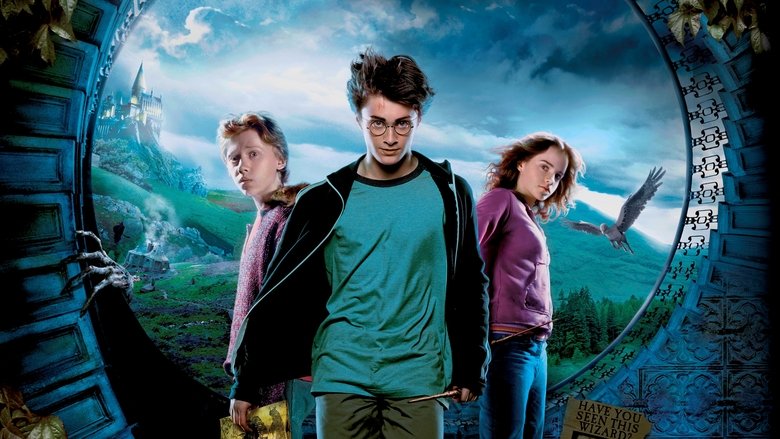
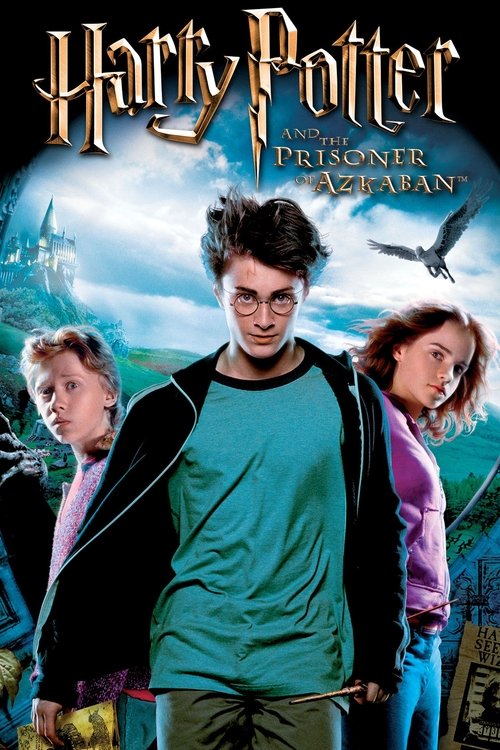
Harry Potter and the Prisoner of Azkaban
A gothic fantasy weaving a chilling sense of dread with a surge of profound hope, like a lone stag of light against a tide of soul-devouring darkness.
Harry Potter and the Prisoner of Azkaban

"Something wicked this way comes."

31 May 2004 United Kingdom 141 min ⭐ 8.0 (22,442)
Director: Alfonso Cuarón
Cast: Daniel Radcliffe, Rupert Grint, Emma Watson, Robbie Coltrane, Michael Gambon
Fantasy Adventure
Fear and Depression Justice, Innocence, and Betrayal The Nature of Time and Choice Friendship and Loyalty
Budget: $130,000,000
Box Office: $789,804,554

Harry Potter and the Prisoner of Azkaban - Ending Explained

⚠️ Spoiler Analysis

The central twist of "Harry Potter and the Prisoner of Azkaban" is the complete reversal of the roles of hero and villain. Sirius Black, believed to be a loyal follower of Voldemort who betrayed Harry's parents and is now hunting Harry, is revealed to be innocent. He is Harry's godfather and was James Potter's best friend. The true traitor is Peter Pettigrew, another friend of the Potters, who has been hiding for twelve years in his Animagus form as Ron's pet rat, Scabbers. It was Pettigrew who led Voldemort to the Potters and framed Sirius for his own crimes.

Professor Lupin is also revealed to be a werewolf, which explains his mysterious absences and deep understanding of dark creatures. He, along with James Potter, Sirius Black, and Peter Pettigrew, were the creators of the Marauder's Map, with the nicknames Moony, Prongs, Padfoot, and Wormtail, respectively. This revelation re-contextualizes the entire history Harry thought he knew about his parents and their friends. The film's climax involves Harry and Hermione using a Time-Turner to go back in time. It is here that the final major reveal occurs: the powerful Patronus that saved Harry and Sirius from the Dementors was not cast by Harry's deceased father, as he initially believed, but by Harry himself. This discovery is a critical moment of self-realization and empowerment for Harry, proving he has the strength of his father within him.

Alternative Interpretations

One significant alternative interpretation revolves around the character of Remus Lupin and his lycanthropy. J.K. Rowling herself confirmed that Lupin's condition was intended as a metaphor for illnesses that carry a stigma, such as HIV/AIDS. This reading frames Lupin's struggles—his secrecy, the prejudice he faces, and his fear of harming others—as a powerful allegory for the social and personal challenges faced by individuals with stigmatized chronic illnesses. His kindness and wisdom directly challenge the fear and discrimination he endures, suggesting that a person's character is not defined by their affliction.

Another interpretation focuses on the film's time-travel paradox. While the narrative presents a closed loop (a Novikov self-consistency principle) where Harry and Hermione's actions were always part of the past, some viewers interpret it as a more ambiguous commentary on fate versus free will. Is Harry truly making a choice to save himself, or is he merely an actor playing a predetermined part? This reading explores the philosophical implications of predestination, suggesting that even with the knowledge of what will happen, the emotional and psychological journey of living through the moment and making the 'choice' is what defines one's character.