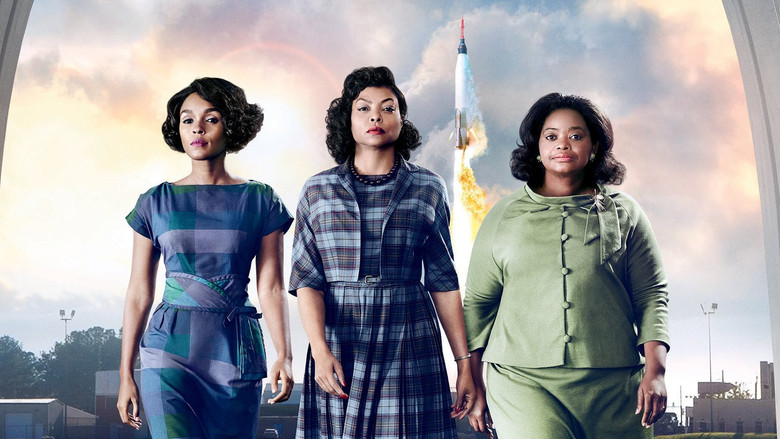
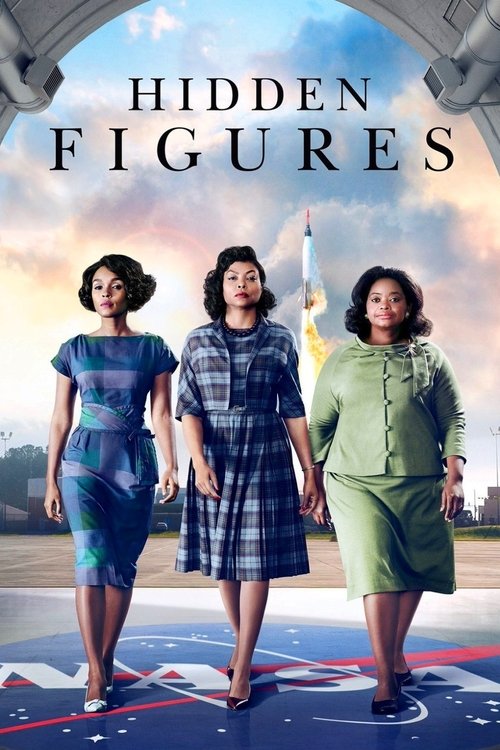
The climax of "Hidden Figures" intertwines the personal victories of the three protagonists with the historic launch of John Glenn into orbit. As the launch approaches, the new IBM 7090 computer produces errors in the landing coordinates. With time running out and the mission's safety in jeopardy, astronaut John Glenn, who had previously shown respect to the West Area Computers, makes a crucial demand: "Get the girl to check the numbers." He insists that if Katherine Johnson says the numbers are good, he's ready to go. This moment is the culmination of Katherine's fight for recognition; she is called to the control room, a space previously forbidden to her, and rapidly recalculates the trajectory by hand, confirming the correct coordinates and saving the mission.
Simultaneously, Dorothy Vaughan, having mastered FORTRAN, successfully gets the IBM machine working properly, proving the value of herself and her newly trained team of programmers. She is finally offered the position of supervisor, which she accepts on the condition that all 30 of her women are transferred with her. Mary Jackson completes her engineering courses, having successfully petitioned the court, and we see her begin her career as NASA's first Black female engineer. The film ends with John Glenn's successful orbit and safe return, a triumph made possible by the indispensable work of these three women. The hidden meanings that become clear are that America's greatest achievements are not accomplished by a select few, but are built on the unheralded contributions of many. The finale reveals that true progress requires not only technological advancement but also the dismantling of social barriers to recognize and utilize the genius in everyone, regardless of their background.