
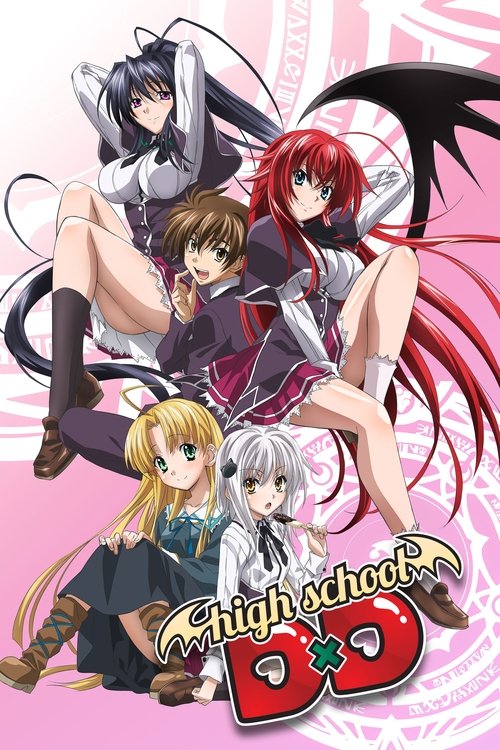
High School D×D's plot is driven by a series of escalating reveals that redefine the world and Issei's place in it. The initial twist of Issei's resurrection as a devil is just the beginning. A major revelation in season two is that the God of the Bible is dead, killed during the last great war. This truth has been hidden to prevent mass panic and loss of faith among angels and humans, and it explains why the celestial factions are in such a fragile stalemate.
Issei's power, the Boosted Gear, is one of the thirteen Longinus, sacred gears capable of killing gods. His rival, Vali Lucifer, possesses the Divine Dividing, the power of the other Heavenly Dragon, Albion. Their destiny is to fight each other for eternity. A key plot point is Issei unlocking the Juggernaut Drive, a forbidden power that taps into the hatred of past Boosted Gear users, granting immense power at the cost of the user's life and sanity. He first uses an incomplete version in Season 3 against Shalba Beelzebub after being tricked into thinking Asia was killed.
The series finale of the anime (Season 4) concludes with Issei's official Rating Game match against Sairaorg Bael. During the fight, Issei achieves a new form called Cardinal Crimson Promotion by using Rias's blood, which allows him to use the power of the Pawn's promotion without being in enemy territory. The season ends on a triumphant note for the characters' relationships, as Issei finally breaks his mental block of calling Rias "President" and confesses his love to her by name, which she reciprocates. The anime story is far from over, as the light novels continue the plot, introducing Issei's own peerage, his ascension to a High-Class Devil, and battles against even more powerful mythological beings, including the reveal of a powerful anti-terrorism group named [DxD] formed by the major factions.