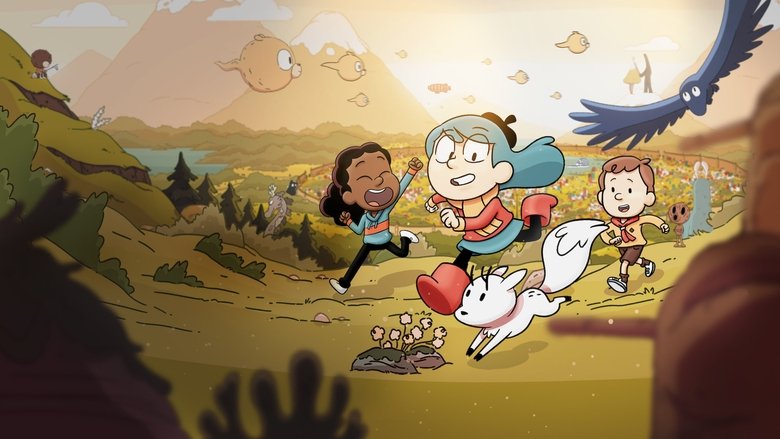
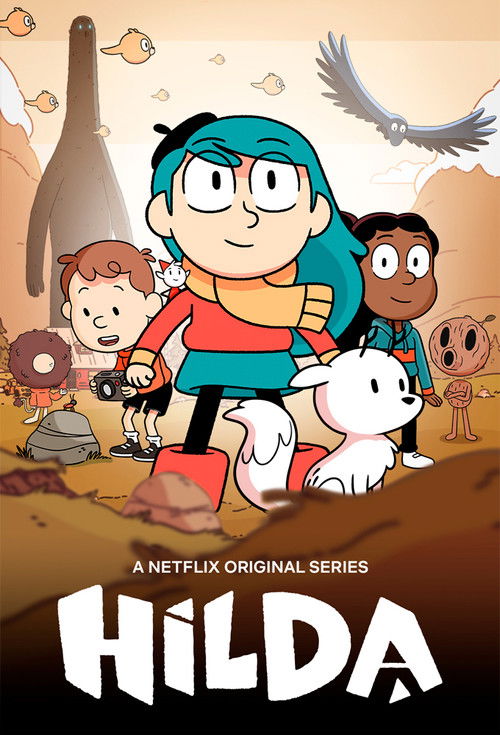
The Troll Transformation (Season 2/Movie): The biggest twist occurs at the end of Season 2, where Hilda is swapped with a troll baby (Baba) and wakes up as a troll herself. This forces her to literally walk in the shoes of the 'other,' cementing the show's theme of empathy. She remains a troll for a significant portion of the movie, bridging the two species.
The Truth About The Fairy Isle (Season 3): The finale reveals that the 'Fairy Isle' is a realm of eternal stagnation where nothing changes. Johanna's parents are revealed to be trapped there, having made a deal to save Johanna's life when she was a child. The twist is that Johanna was a changeling of sorts, or at least touched by fairy magic, explaining her deep, traumatic connection to the magical world. The series ends with the family rejecting the eternal paradise of the isle to return to the imperfect, changing human world, affirming that life is defined by growth and mortality.