蛍火の杜へ
Hotarubi no Mori e - Symbolism & Philosophy
Symbols & Motifs
Gin's Mask
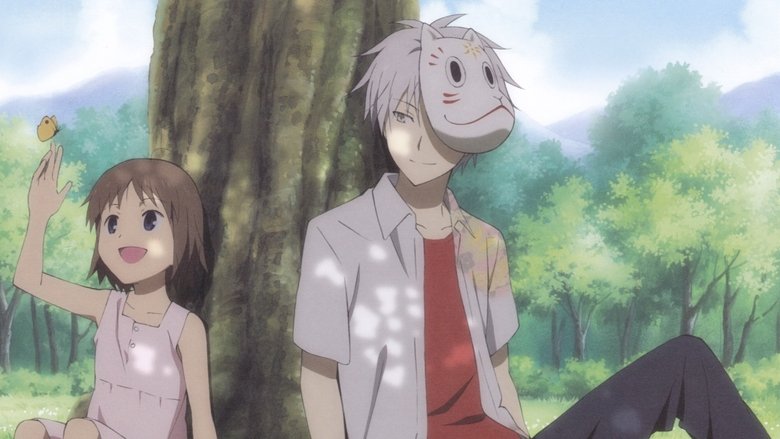
The mask symbolizes Gin's non-human status and the barrier between him and the human world. Initially, it represents his mysterious and distant nature. As he grows closer to Hotaru, he occasionally removes it for her, signifying his trust and the deepening of their bond. In the end, when Gin disappears, the mask is the only physical object Hotaru has left of him, becoming a tangible memento of their intangible relationship. He also uses it as a way to "kiss" her, placing it on her face, which symbolizes their ability to find ways to express affection despite the physical barrier.
Gin wears the mask for the majority of the film, particularly in his first encounters with Hotaru. He states he wears it to look more like a spirit. A key scene involves Gin taking off the mask to show Hotaru his face. The most poignant use is when he invites her to the spirit festival and places the mask on her face, pretending to kiss it. After he vanishes, Hotaru clutches the mask in grief.
The Forest
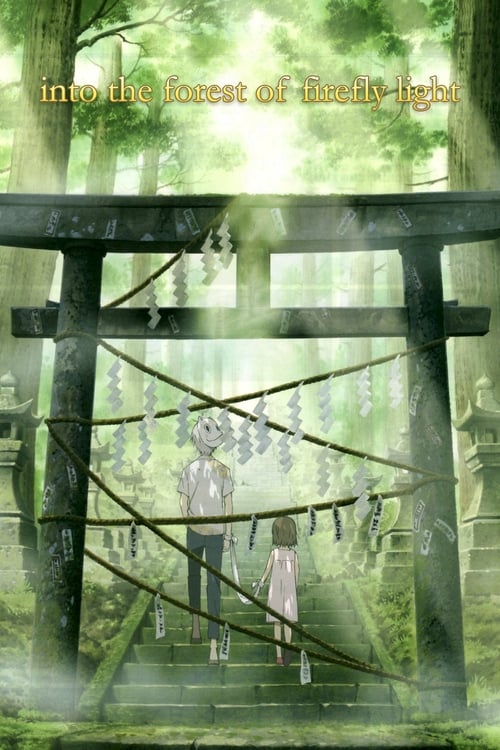
The forest is a magical, enchanted space that represents the spirit world and the boundary between the human and the supernatural. It is a timeless sanctuary where Hotaru and Gin's relationship can exist, separate from the normal flow of human life. It is both a place of wonder and a place of confinement for Gin, who cannot leave it. The lush, vibrant greenery symbolizes the life and magic of their bond.
The entire story, save for a few scenes of Hotaru in the city, takes place within the forest near her grandfather's home. It's where they first meet, where they spend all their summers playing, and where they ultimately part.
Fireflies (Hotarubi)
The fireflies, from which the film gets its title ("Into the Forest of Fireflies' Light"), symbolize the ephemeral and beautiful nature of Gin's existence and his love with Hotaru. Their light is fleeting, beautiful, and magical, but only lasts for a short time, perfectly mirroring the transient nature of their summers together and Gin's own fragile life, which disappears in a cascade of similar glowing particles.
Fireflies appear in the lush summer scenery of the forest. The most significant use of this symbol is at the very end. When Gin's body disintegrates, he vanishes into thousands of tiny, glowing lights that look like a swarm of fireflies, visually cementing the connection between his existence and their fleeting beauty.
The Passing of Summer
Summer represents the limited, precious time that Hotaru and Gin can spend together. It is a cycle of reunion and separation. For Hotaru, the anticipation of summer is what drives her through the rest of the year. For Gin, it is the only time he is not truly alone. The end of each summer is a small heartbreak, a prelude to their final, permanent separation, highlighting the theme that all good things are temporary.
The film's structure is built around Hotaru's annual summer visits. Montages show them playing through various summers as Hotaru visibly ages. The dialogue often references waiting for the next summer, and their final meeting happens at a summer festival held by the spirits.
Philosophical Questions
Can a connection be complete without physical intimacy?
The film's central conflict revolves around the prohibition of touch between Hotaru and Gin. Their entire relationship is built on conversation, shared experiences, and emotional support. "Hotarubi no Mori e" forces the audience to question the conventional definition of a complete relationship. It suggests that a profound, life-altering love can exist and flourish even in the complete absence of physical contact, arguing for a more spiritual or emotional definition of intimacy. However, it also poignantly acknowledges the deep human longing for touch, as this desire ultimately leads to the story's tragic and beautiful conclusion.
Is a finite, beautiful experience more valuable than a prolonged, mundane one?
Gin's existence before meeting Hotaru was presumably timeless and unchanging. Their summers together, though fleeting and destined to end, brought him immense joy and fulfillment. His final, joyful embrace—a moment of pure connection that costs him his existence—poses a question about the nature of a worthwhile life. The film seems to argue that a short life filled with profound love and cherished memories is more meaningful than an eternity of solitude. It champions the idea that the quality and depth of experiences, not their duration, are what give life its ultimate value.
How do we find meaning in inevitable loss?
From the beginning, the audience and the characters are aware that their story cannot have a conventional happy ending. The film is an exercise in anticipating and processing inevitable loss. It explores this question through Hotaru's emotional journey. The meaning she finds is not in preventing the loss, but in the memories created despite it. The film's conclusion suggests that meaning is found in acceptance and in the permanent, positive change that a person leaves on you. Gin's life and death give Hotaru a treasure of memories that shape her, and in that, his fleeting existence gains an eternal significance for her.
Core Meaning
The core meaning of "Hotarubi no Mori e" revolves around the themes of transience, the preciousness of fleeting moments, and the acceptance of loss. The director, through this delicate narrative, conveys that relationships and life itself are ephemeral, much like the brief, beautiful light of fireflies ("hotarubi"). The film suggests that the value of a connection is not measured by its longevity but by its depth and the beauty of the shared memories. It explores the bittersweet nature of love that is destined to end, emphasizing that even with a known, inevitable separation, the time spent together is meaningful and should be cherished. The story is a powerful reminder to appreciate the present and find beauty in impermanence, ultimately accepting loss not as a tragedy, but as a natural part of life that allows one to move forward.