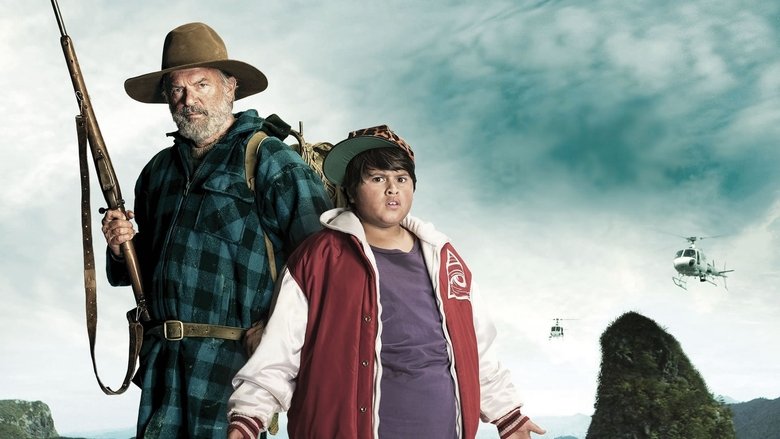
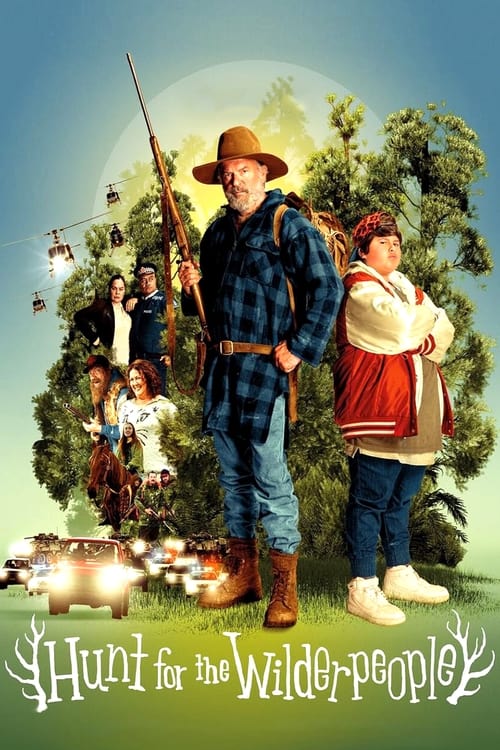
Hunt for the Wilderpeople
An offbeat, heartwarming buddy comedy that blends infectious absurdity with profound grief. As two misfit outcasts flee into the untamed New Zealand wilderness, they discover that the most majestical journey is navigating the wild landscape of the human heart.
Hunt for the Wilderpeople

"Nature just got gangster."

22 January 2016 New Zealand 101 min ⭐ 7.7 (2,256)
Director: Taika Waititi
Cast: Sam Neill, Julian Dennison, Rima Te Wiata, Rachel House, Tioreore Ngatai-Melbourne
Drama Comedy Adventure
Belonging and Found Family Grief, Loss, and Healing The Flaws of the Judicial and Welfare Systems Harmony with Nature
Budget: $2,500,000
Box Office: $23,900,000

Hunt for the Wilderpeople - Ending Explained

⚠️ Spoiler Analysis

The film is driven by several pivotal twists, beginning with the shocking and sudden death of Aunt Bella early in the first act. Her death shatters Ricky's newly found stability and forces the inciting incident: Ricky fakes his death by burning a shed to avoid returning to Child Services. When Hec pursues him, a fracture to Hec's ankle leaves them stranded in the bush for weeks. This isolation leads to a massive misunderstanding; the authorities misinterpret their disappearance and label Hec an abuser and kidnapper, escalating the search to a national manhunt.

The climax is a bombastic, vehicle-smashing chase through the desert-like Horopito car yard in a red truck named 'Crumpy'. Ultimately, Hec realizes they cannot run forever and surrenders to save Ricky from being shot by the police, taking the fall for their outlaw actions. The epilogue reveals a bittersweet but hopeful resolution: Hec serves time and moves into a halfway house, where he has learned to read. Ricky is placed with a supportive new foster family. Reunited, the two return to the bush to locate the elusive, thought-to-be-extinct Huia bird. Finding the bird confirms that despite the system's attempts to tear them apart, their bond and their connection to the wild remain unbroken.

Alternative Interpretations

An Allegory for Colonialism and Māori Identity: Many critics interpret the film as a critique of colonial structures. The state (Child Welfare and the police) attempts to institutionalize and control a Māori youth, tearing him away from his chosen family. Ricky's flight into the bush represents a return to Te Ao Māori (the Māori world) and ancestral lands, where he finds healing, sovereignty, and a connection to his heritage away from white, bureaucratic interference.

Ricky's Cinematic Coping Mechanism: Another interpretation suggests that the film's increasingly absurd third act—featuring tanks, helicopters, and a Mad Max-style shootout in a junkyard—is slightly exaggerated by Ricky's hyperactive, pop-culture-obsessed imagination. Confronting the traumatic reality of Bella's death and his impending return to juvenile detention, Ricky frames his life as an epic action movie to maintain a sense of control and heroism in a world where he is otherwise powerless.