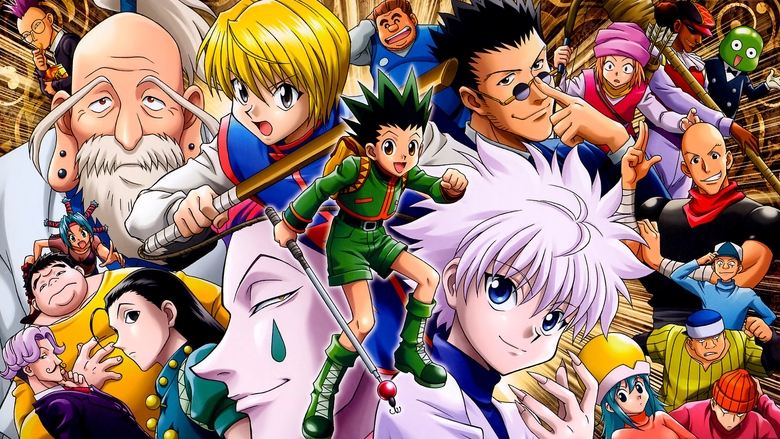
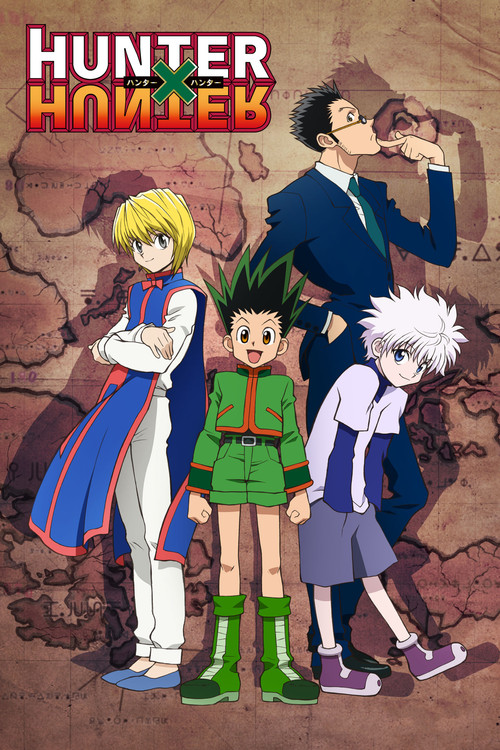
"Hunter x Hunter"'s narrative is defined by its shocking twists and subversion of expectations. A key early twist is during the Hunter Exam's final phase, where Killua, under the influence of his brother Illumi's needle, fails by killing an opponent, revealing the dark control his family has over him and separating him from Gon.
The Yorknew City arc's climax hinges on Kurapika's brilliant and ruthless strategy. He successfully captures the Phantom Troupe's leader, Chrollo Lucilfer, and uses his Judgment Chain ability to seal Chrollo's Nen, forcing him to never interact with the Troupe again. This is not a battle won by strength, but by intellect and a costly Nen vow, leaving the seemingly invincible Troupe crippled and their leader powerless.
The Greed Island arc ends with a clever twist on game mechanics. The card 'Accompaniment' allows a player to take anyone with them to a specific player's location. Gon uses this card to go to 'Nigg,' the username he believes is his father's. However, the name is an anagram for Ging, and the card takes him not to Ging himself, but to Kite, Ging's apprentice. This emotional reunion is revealed to be a calculated plan by Ging to force Gon to continue his journey and grow stronger.
The Chimera Ant arc contains the series' most significant and darkest turns. The mentor figure, Kite, is unceremoniously killed by Neferpitou early in the arc, an event that serves as the catalyst for Gon's descent into darkness. The ultimate climax is not a triumphant victory but a series of tragedies. The immensely powerful Chairman Netero fails to defeat the Ant King, Meruem, in combat. In a final act of desperation, Netero commits suicide, detonating a cheap, radiation-spewing bomb called the Miniature Rose implanted in his chest. The bomb doesn't kill Meruem instantly but poisons him, leading to a slow, agonizing death. Meruem spends his final moments not in conquest, but playing Gungi with Komugi, the human girl he has come to love, dying in her arms as the poison claims them both. Concurrently, Gon, after discovering Kite cannot be saved, makes a Nen pact to sacrifice his life force and future potential. This transforms him into a super-powered adult version of himself, allowing him to effortlessly and brutally murder Neferpitou. The cost is catastrophic; the transformation destroys his body and leaves him in a near-dead state, only to be saved later by the deus ex machina of Killua's sister Alluka's wish-granting ability. At the series' conclusion, Gon's Nen is gone, and he and Killua, who have been inseparable, part ways. The finale reveals that Gon's entire journey was a series of trials orchestrated by his father, Ging, to foster his growth. When they finally meet, the reunion is not a climactic emotional payoff but a quiet conversation, emphasizing the series' core theme that the journey was always more important than the destination.