
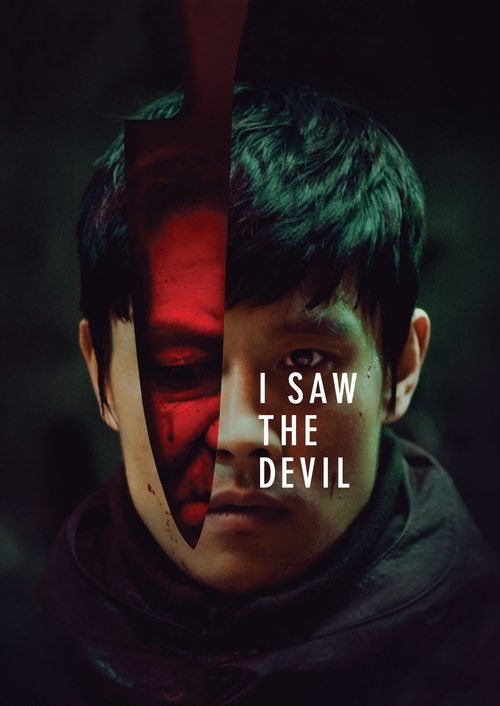
악마를 보았다
"Abandon all compassion."
I Saw the Devil - Symbolism & Philosophy
Symbols & Motifs
The Engagement Ring
Represents Soo-hyun’s lost connection to humanity and his failed promise to protect. Finding it in the drain of Kyung-chul's lair is the moment he abandons the law to become a vigilante.
It is first seen during the proposal, then lost in the gore of the first murder, and finally recovered by Soo-hyun in the serial killer's basement.
The Tracking Device
Symbolizes Soo-hyun’s god-like omniscience and control over Kyung-chul, but also represents the leash that keeps him tethered to the devil.
Soo-hyun forces Kyung-chul to swallow the GPS capsule, allowing him to monitor the killer's heartbeat and location at all times.
The Guillotine
A symbol of cold, mechanical, and ultimate judgment. It reflects the 'eye for an eye' philosophy taken to its most literal and horrific conclusion.
The device used by Kyung-chul to dismember victims is eventually rigged by Soo-hyun to execute the killer in the film's climax.
White Snow
Symbolizes purity and innocence being stained by the irreversible 'red' of violence and blood.
The film opens and ends with snowy landscapes, providing a stark, cold contrast to the intense, visceral bloodshed occurring within them.
Philosophical Questions
Can true justice exist in a lawless pursuit?
The film explores whether the concept of justice is maintained when the punisher adopts the methods of the criminal. It suggests that once the law is discarded, 'justice' becomes indistinguishable from the very evil it seeks to correct.
Does the infliction of pain provide catharsis for grief?
Through Soo-hyun's breakdown in the final scene, the film answers with a resounding 'no.' The more pain he inflicts, the further he drifts from the memory of his fiancée, suggesting that violence is a hollow substitute for mourning.
Core Meaning
The core meaning of the film lies in its exploration of the Nietzschean abyss: the idea that staring into evil for too long causes it to stare back into you. Director Kim Jee-woon suggests that revenge is not a path to catharsis or healing, but a self-destructive mechanism that hollows out the seeker. The film posits that true evil (Kyung-chul) cannot be defeated by superior violence because the act of inflicting that violence destroys the moral fabric of the hero (Soo-hyun). Ultimately, the title refers to three 'devils': the serial killer, the grieving man who loses his soul, and the audience who finds satisfaction in watching the brutality unfold.