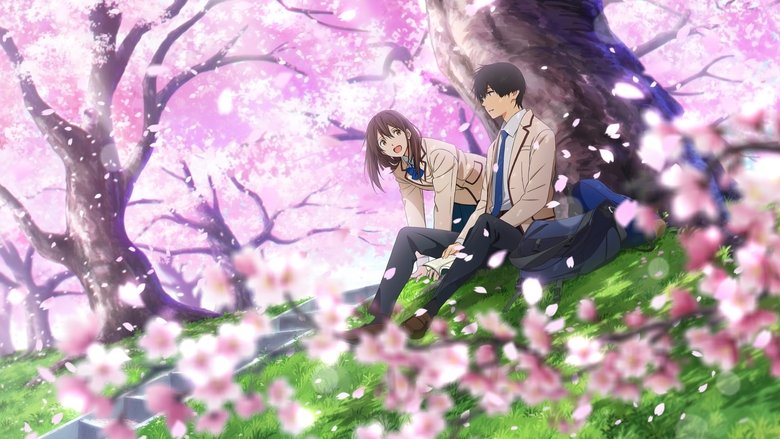
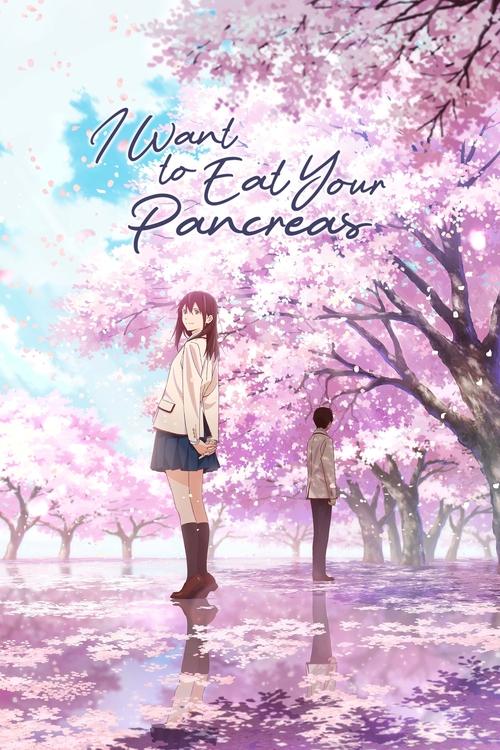
The most significant plot twist in "I Want to Eat Your Pancreas" is the cause of Sakura's death. Throughout the entire film, the audience, along with the protagonist Haruki, is led to believe that she will inevitably succumb to her terminal pancreatic disease. The narrative builds toward this expected, albeit tragic, conclusion. However, after being discharged from the hospital and on her way to meet Haruki, Sakura is randomly stabbed by a street slasher and dies from her injuries. This shocking, off-screen death is a deliberate subversion of the 'sick-lit' genre.
This twist powerfully reinforces the film's central theme: death is random and does not discriminate. Sakura's mantra was to live every day to the fullest because her time was limited, but her death by a random act of violence reveals that this is a universal truth for everyone, not just the terminally ill. No one is guaranteed tomorrow. This hidden meaning re-contextualizes the entire story, elevating it from a simple tragedy about illness to a broader philosophical statement on the unpredictable nature of life and death.
After her death, Haruki is initially unable to process his grief and does not attend her funeral. He later visits Sakura's mother, who gives him Sakura's diary, "Living with Dying." Inside, he finds a final message written for him. In it, Sakura confesses the depth of her feelings, explaining that she didn't want to define their relationship with simple words like 'love' or 'boyfriend' because it was something more unique. She expresses her admiration for him and thanks him for giving her a real, lived experience in her final months. She ends her message with the phrase, "I want to eat your pancreas." Haruki finally reveals his name, Haruki Shiga, to her mother, and she explains the connection between his name ("spring trees") and Sakura's ("cherry blossom"). He then fulfills Sakura's last wish by sharing the diary with her best friend, Kyoko, which helps them both to grieve and leads to them forming a friendship. The film ends a year later with Haruki and Kyoko, now friends, visiting Sakura's grave together, showing that Haruki has fully embraced her lessons on life and connection.