この世界の片隅に
"Torn apart by war. Brought together by love."
In This Corner of the World - Symbolism & Philosophy
Symbols & Motifs
Suzu's Sketchbook
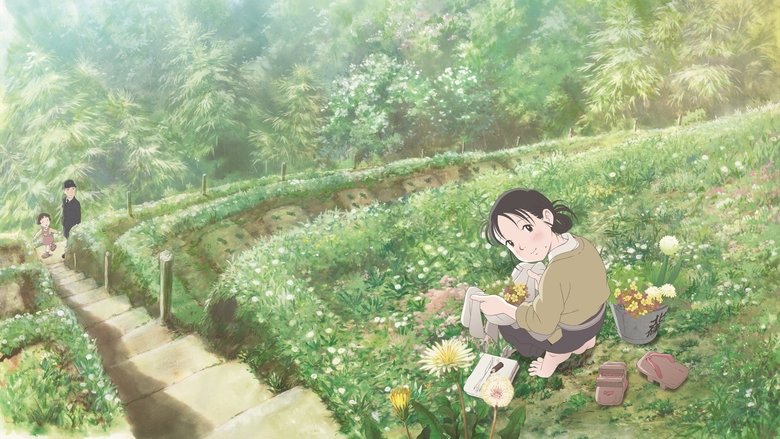
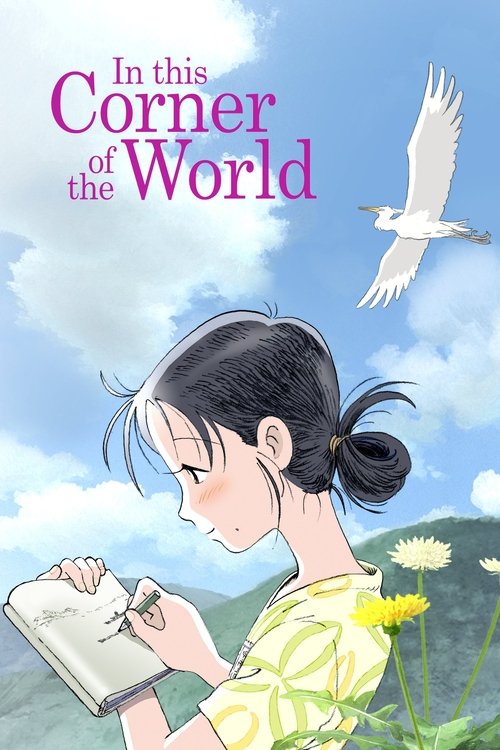
Suzu's sketchbook represents her inner world, her creativity, and her unique way of seeing and interpreting her surroundings. It is a tangible manifestation of her spirit and her ability to find beauty and whimsy even in difficult times. The loss of her ability to draw in the same way after her injury symbolizes a profound loss of innocence and a forced confrontation with the unmediated harshness of reality.
Throughout the first half of the film, Suzu is frequently seen drawing the landscapes, people, and objects around her. Her art transforms reality, such as when she draws waves as white rabbits for her childhood friend, Tetsu. Later, her drawing of warships leads to accusations of espionage, showing how her personal expression can be misinterpreted in a time of paranoia. After she loses her right hand, her relationship with art is irrevocably changed.
White Rabbits on Waves
The image of white rabbits hopping over waves is a visual metaphor for finding beauty and imagination in something that others might see as sorrowful or mundane. It symbolizes Suzu's ability to transform reality through her artistic vision and her innocent perspective. This imagery also has cultural roots in Japan, where rabbits are associated with the moon and are counted using the same word as birds.
As a child, Suzu draws a picture of the sea with white rabbits instead of whitecaps for her friend Tetsu, who is grieving his brother who was lost at sea. This act of creative empathy transforms a symbol of his grief into something whimsical and beautiful. The image reappears in her memory, representing a cherished moment of connection and the power of art to heal.
Herons
Herons are strongly associated with Suzu's childhood home in Hiroshima and represent her past, her regrets, and the paths she did not take. They are a recurring visual motif that connects her to her origins and her feelings of nostalgia and loss.
Herons appear frequently in the early scenes of the film set in Suzu's childhood. Later, when she is living in Kure and feeling distressed, a heron lands in her yard during a bombing raid. She desperately tries to shoo it away, telling it to go back to Hiroshima, which reflects her own desire to return to the perceived safety and familiarity of her past.
Philosophical Questions
Where can happiness and meaning be found in the midst of overwhelming suffering?
The film explores this question through Suzu's unwavering, though often tested, ability to find moments of joy and beauty in her daily life. Whether through her art, her creative solutions to food shortages, or her relationships with her family, Suzu's story suggests that meaning is not found in grand gestures or historical events, but in the small, consistent efforts to live with kindness, creativity, and love, even when the world is filled with destruction.
How do we reconcile our personal, everyday lives with the larger forces of history?
"In This Corner of the World" constantly juxtaposes Suzu's personal, domestic world with the encroaching reality of the war. The film suggests that for most people, history is not an abstract concept but a series of tangible impacts on their daily existence. It raises the question of how individuals maintain their humanity and sense of self when caught in conflicts far beyond their control. Suzu's story highlights the struggle to live a meaningful personal life while being a part of a larger, tragic historical narrative.
Core Meaning
The core meaning of "In This Corner of the World" is a profound meditation on the resilience of the human spirit and the importance of finding and creating beauty in everyday life, even in the most devastating of circumstances. Director Sunao Katabuchi sought to portray the wonder of ordinary life, which becomes all the more miraculous and precious when set against the backdrop of war. The film is not a traditional war movie focused on battles and politics, but rather a testament to the endurance of those who live through them. It carries a powerful anti-war message by focusing on the personal losses and the disruption of a peaceful existence, suggesting that the greatest tragedy of war is the destruction of the mundane, the everyday, and the personal worlds of ordinary people. Suzu's journey is a quiet but powerful statement on finding the will to live, love, and even find moments of happiness in a world overshadowed by immense tragedy.