In This Corner of the World
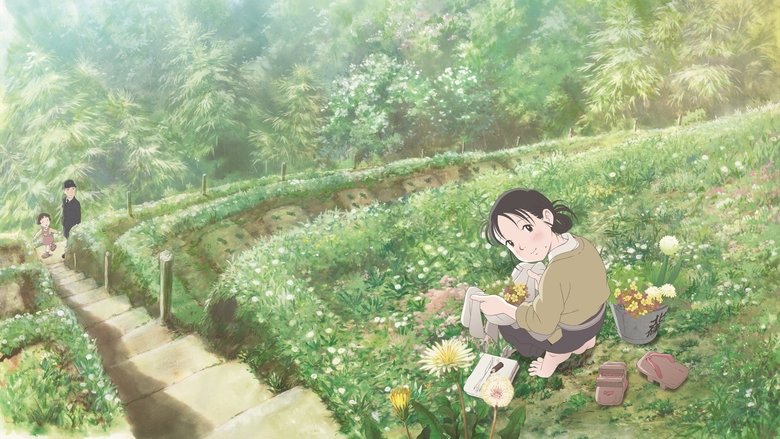
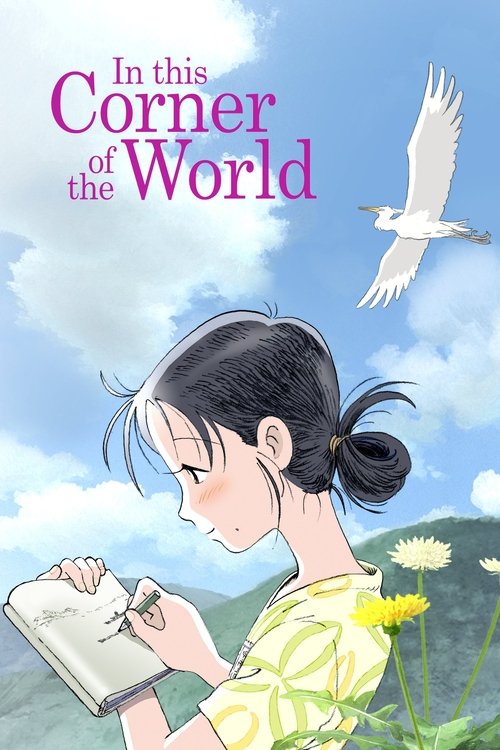
A hand-drawn elegy of everyday life, where the gentle watercolor strokes of a young woman's dreams are irrevocably stained by the encroaching shadows of war.
In This Corner of the World

In This Corner of the World

この世界の片隅に

"Torn apart by war. Brought together by love."

12 November 2016 Japan 130 min ⭐ 7.9 (597)
Director: Sunao Katabuchi
Cast: Non, Yoshimasa Hosoya, Natsuki Inaba, Minori Omi, Daisuke Ono
Drama Animation War History Romance
The Enduring Power of Everyday Life Loss and Resilience in the Face of Tragedy Art as a Means of Perception and Survival The Agency of Women in a Patriarchal Society
Box Office: $19,496,308

Overview

"In This Corner of the World" tells the story of Suzu Urano, a young Japanese woman with a passion for drawing, who in 1944 moves to the naval port city of Kure after marrying Shusaku Hojo, a man she barely knows. As she adapts to her new life with her husband's family, Suzu's cheerful and resilient nature allows her to find moments of joy and beauty amidst the increasing hardships of World War II.

The film meticulously portrays the daily struggles of ordinary Japanese citizens during the war, from food rationing and air raids to the constant fear and uncertainty. Through Suzu's eyes, we witness the devastating impact of the conflict on a personal level, as she and her family strive to maintain a sense of normalcy and humanity in a world that is falling apart. The narrative unfolds at a gentle, observational pace, focusing on the small, intimate moments of Suzu's life, which are increasingly punctuated by the grim realities of the war that is drawing ever closer to home.

Core Meaning

The core meaning of "In This Corner of the World" is a profound meditation on the resilience of the human spirit and the importance of finding and creating beauty in everyday life, even in the most devastating of circumstances. Director Sunao Katabuchi sought to portray the wonder of ordinary life, which becomes all the more miraculous and precious when set against the backdrop of war. The film is not a traditional war movie focused on battles and politics, but rather a testament to the endurance of those who live through them. It carries a powerful anti-war message by focusing on the personal losses and the disruption of a peaceful existence, suggesting that the greatest tragedy of war is the destruction of the mundane, the everyday, and the personal worlds of ordinary people. Suzu's journey is a quiet but powerful statement on finding the will to live, love, and even find moments of happiness in a world overshadowed by immense tragedy.

Thematic DNA

The Enduring Power of Everyday Life 35%
Loss and Resilience in the Face of Tragedy 30%
Art as a Means of Perception and Survival 20%
The Agency of Women in a Patriarchal Society 15%

The Enduring Power of Everyday Life

The film meticulously details the daily routines of Suzu and her family, from creative cooking with rationed food to mending clothes and maintaining their home. These seemingly mundane activities become acts of defiance and resilience against the chaos of war. The narrative emphasizes that life, in all its simplicity, continues and holds meaning even when overshadowed by immense historical events.

Loss and Resilience in the Face of Tragedy

Suzu and her family experience profound personal losses, including the death of loved ones and Suzu's own life-altering injury. The film unflinchingly portrays their grief and despair. However, it also highlights their incredible resilience, as they learn to cope with their trauma and find reasons to continue living. The adoption of the orphaned girl at the end symbolizes this theme of rebuilding and finding hope after unimaginable loss.

Art as a Means of Perception and Survival

Suzu's love for drawing is a central element of the film. Her sketchbook is a way for her to process the world around her, to find beauty in the mundane, and to cope with the horrors of war. At times, her imagination transforms the terrifying realities of war, such as anti-aircraft fire, into beautiful, fleeting works of art. However, the loss of her drawing hand forces her to find new ways to perceive and engage with the world, symbolizing a loss of innocence and the harsh realities of her situation.

The Agency of Women in a Patriarchal Society

The film explores the limited agency of women in 1940s Japan through Suzu's arranged marriage and her expected role as a housewife. While she is often passive and accepting of her circumstances, Suzu's internal world and her acts of creativity and kindness are her own. Her journey is a subtle transformation from a daydreaming girl to a woman who makes a conscious choice to embrace her new family and home, finding her own strength and place in the world.

Character Analysis

Suzu Hojo (née Urano)

Non (Rena Nōnen)

Archetype: The Innocent
Key Trait: Imaginative

Motivation

Initially, Suzu is motivated by a sense of duty and a desire to please her new family. As the war intensifies, her motivation shifts to survival and protecting her loved ones. Ultimately, her core motivation is to find and create moments of happiness and normalcy in her corner of the world, no matter how difficult the circumstances.

Character Arc

Suzu begins as a dreamy, absent-minded young woman who passively accepts her arranged marriage. Thrust into the role of a housewife in a new city, she gradually adapts and finds her footing, discovering her own resilience and capacity for love. The tragedies of the war force her to confront unimaginable loss, which strips away her childlike innocence. By the end of the film, she has transformed into a mature woman who, despite her suffering, makes a conscious choice to embrace her life and family in Kure, finding hope and a renewed sense of purpose.

Shusaku Hojo

Yoshimasa Hosoya

Archetype: The Quiet Protector
Key Trait: Steadfast

Motivation

Shusaku is motivated by a deep sense of responsibility and a quiet but powerful love for Suzu. He strives to provide for and protect his family, both from the dangers of the war and the emotional turmoil it causes. His actions are consistently aimed at ensuring Suzu's well-being and happiness.

Character Arc

Shusaku is an earnest and quiet man who works as a judicial officer at the military court in Kure. He remembers meeting Suzu as a child and chose her as his bride. Initially, his connection with Suzu is gentle and reserved. As they face the hardships of war together, their bond deepens into a profound and loving partnership. He demonstrates his love and respect for Suzu through his quiet support and understanding, particularly when he encourages her to spend time with her childhood friend, Tetsu.

Keiko Kuromura

Minori Omi

Archetype: The Wounded Cynic
Key Trait: Pragmatic

Motivation

Keiko is primarily motivated by the protection and well-being of her daughter, Harumi. Her bitterness stems from the profound losses she has endured. Beneath her harsh exterior is a fierce love for her family and a deep-seated grief that shapes her interactions with the world.

Character Arc

Keiko is Shusaku's widowed older sister who has returned to the Hojo home with her daughter, Harumi. Initially, she is sharp-tongued and critical of Suzu, her hardness a result of her own tragic past, including having her son taken by her late husband's family. Over time, and especially after the death of her own daughter, her relationship with Suzu evolves. She comes to see and respect Suzu as a true member of the family, and they form a bond built on shared grief and mutual support.

Rin Shiraki

Nanase Iwai

Archetype: The Ghost of a Different Path
Key Trait: Worldly

Motivation

Rin is motivated by the need to survive in the difficult circumstances she was born into. She finds moments of connection and solace in her friendship with Suzu, who offers her a glimpse of a different kind of life. Her story highlights the harsh realities faced by many women during this era.

Character Arc

Rin is a courtesan Suzu meets in Kure. Unbeknownst to Suzu, Rin has a past connection with Shusaku. In the original film, her role is brief, but the extended edition explores their friendship more deeply. Rin represents a different, more worldly and perhaps more tragic path a woman's life could take. Her existence forces Suzu to confront feelings of inadequacy and jealousy, but also compassion. Rin's eventual presumed death in an air raid is a poignant reminder of the war's indiscriminate cruelty.

Symbols & Motifs

Suzu's Sketchbook

Meaning:

Suzu's sketchbook represents her inner world, her creativity, and her unique way of seeing and interpreting her surroundings. It is a tangible manifestation of her spirit and her ability to find beauty and whimsy even in difficult times. The loss of her ability to draw in the same way after her injury symbolizes a profound loss of innocence and a forced confrontation with the unmediated harshness of reality.

Context:

Throughout the first half of the film, Suzu is frequently seen drawing the landscapes, people, and objects around her. Her art transforms reality, such as when she draws waves as white rabbits for her childhood friend, Tetsu. Later, her drawing of warships leads to accusations of espionage, showing how her personal expression can be misinterpreted in a time of paranoia. After she loses her right hand, her relationship with art is irrevocably changed.

White Rabbits on Waves

Meaning:

The image of white rabbits hopping over waves is a visual metaphor for finding beauty and imagination in something that others might see as sorrowful or mundane. It symbolizes Suzu's ability to transform reality through her artistic vision and her innocent perspective. This imagery also has cultural roots in Japan, where rabbits are associated with the moon and are counted using the same word as birds.

Context:

As a child, Suzu draws a picture of the sea with white rabbits instead of whitecaps for her friend Tetsu, who is grieving his brother who was lost at sea. This act of creative empathy transforms a symbol of his grief into something whimsical and beautiful. The image reappears in her memory, representing a cherished moment of connection and the power of art to heal.

Herons

Meaning:

Herons are strongly associated with Suzu's childhood home in Hiroshima and represent her past, her regrets, and the paths she did not take. They are a recurring visual motif that connects her to her origins and her feelings of nostalgia and loss.

Context:

Herons appear frequently in the early scenes of the film set in Suzu's childhood. Later, when she is living in Kure and feeling distressed, a heron lands in her yard during a bombing raid. She desperately tries to shoo it away, telling it to go back to Hiroshima, which reflects her own desire to return to the perceived safety and familiarity of her past.

Memorable Quotes

ありがとう、この世界の片隅にうちを見つけてくれて

— Suzu Hojo

Context:

Suzu says this to her husband, Shusaku, in a moment of quiet intimacy. It reflects her journey from a girl who was passively brought into a new life to a woman who has found her home and is grateful for the connections she has made.

Meaning:

Translated as "Thank you, for finding me in this corner of the world." This line, which gives the film its title, encapsulates Suzu's gratitude for her life with Shusaku and her new family. It's an affirmation of her place in the world and the love she has found, despite the tumultuous times and the unconventional way her marriage began. It signifies her acceptance and embrace of her life in Kure.

The past and the paths we did not choose make us who we are today.

— Shusaku Hojo

Context:

Shusaku says this to Suzu after the reappearance of her childhood friend and first love, Tetsu. It is a moment of deep understanding between husband and wife, as they acknowledge the complexities of their feelings and the separate pasts they had before finding each other.

Meaning:

This quote reflects on the nature of memory, regret, and identity. It suggests that our lives are shaped not only by the choices we make, but also by the possibilities we've left behind. It's a poignant acknowledgment of the 'what-ifs' that everyone carries with them.

Philosophical Questions

Where can happiness and meaning be found in the midst of overwhelming suffering?

The film explores this question through Suzu's unwavering, though often tested, ability to find moments of joy and beauty in her daily life. Whether through her art, her creative solutions to food shortages, or her relationships with her family, Suzu's story suggests that meaning is not found in grand gestures or historical events, but in the small, consistent efforts to live with kindness, creativity, and love, even when the world is filled with destruction.

How do we reconcile our personal, everyday lives with the larger forces of history?

"In This Corner of the World" constantly juxtaposes Suzu's personal, domestic world with the encroaching reality of the war. The film suggests that for most people, history is not an abstract concept but a series of tangible impacts on their daily existence. It raises the question of how individuals maintain their humanity and sense of self when caught in conflicts far beyond their control. Suzu's story highlights the struggle to live a meaningful personal life while being a part of a larger, tragic historical narrative.

Alternative Interpretations

While widely praised, "In This Corner of the World" has been subject to alternative interpretations, particularly concerning its political and historical context. One perspective argues that by focusing solely on the suffering of Japanese civilians, the film contributes to a narrative of victimhood that downplays or ignores Japan's role as an aggressor in World War II. Critics of this view point out that the film is a personal, not a political, story, and that its power lies in its universal depiction of the impact of war on ordinary people, regardless of nationality.

Another interpretation centers on Suzu's character. Some view her as overly passive, a product of a patriarchal society who is simply swept along by events. Others see her quiet endurance and her commitment to creating a life for herself and her family as a form of profound, albeit subtle, strength and agency. Her journey is not one of overt rebellion but of internal resilience and the conscious choice to find happiness in the life she has been given.

Cultural Impact

"In This Corner of the World" had a significant cultural impact in Japan and abroad for its unique and humanistic portrayal of World War II. Released in a year with other anime blockbusters, it garnered critical acclaim for its quiet, detailed, and deeply moving narrative. The film's success, which included winning the Japan Academy Prize for Animation of the Year, was seen as a triumph for independent, character-driven animation.

Historically, the film served as a form of cultural memory, painstakingly recreating the lost cityscapes of Hiroshima and Kure before the atomic bombing. Director Sunao Katabuchi saw the film as a "time machine" that could transport modern audiences into the daily lives of people from that era. This approach was praised by elderly viewers who felt the film accurately captured their memories of the time.

Critically, the film was often compared to Studio Ghibli's "Grave of the Fireflies," with many noting its different focus. While "Grave of the Fireflies" is a harrowing depiction of the horrors of war, "In This Corner of the World" emphasizes the resilience of the human spirit and the continuation of everyday life. However, the film also sparked debate about its portrayal of Japanese civilians as victims, with some critics noting that it largely omits the context of Japan's own wartime aggressions. Despite this, its focus on a non-ideological, personal experience of war was seen by many as a powerful and universal anti-war statement.

Audience Reception

Audience reception for "In This Corner of the World" was overwhelmingly positive, both in Japan and internationally. Viewers praised the film for its beautiful, hand-drawn animation, its emotional depth, and its gentle, humanistic approach to a difficult subject matter. Many found the focus on the minutiae of daily life to be a powerful and refreshing way to tell a war story, making the characters and their struggles deeply relatable. The film was frequently described as heartbreaking yet ultimately hopeful, leaving a lasting impact on viewers.

The main points of praise centered on the character of Suzu, whom audiences found endearing and inspiring in her resilience. The meticulous historical detail was also highly commended, with many feeling they had been given a window into a lost world. There was very little mainstream criticism from audiences, though some viewers, like critics, engaged in discussions about the film's apolitical stance and its potential to be seen as a one-sided portrayal of the war. Overall, the audience verdict was that it was a masterpiece of animated filmmaking and a poignant, unforgettable story.

Interesting Facts

  • The film's production was partially funded through a successful crowdfunding campaign, which raised over 39 million yen from more than 3,300 supporters, demonstrating a strong public desire to see the manga adapted.
  • Director Sunao Katabuchi and his team conducted extensive research to ensure historical accuracy, recreating the townscapes of Hiroshima and Kure before their destruction. They consulted historical maps, photographs, and the memories of elderly residents.
  • The voice actress for Suzu, Non (formerly Rena Nōnen), was chosen by Katabuchi, who felt he couldn't imagine anyone else for the role. It was her first voice acting project.
  • An extended version of the film, titled "In This Corner (and Other Corners) of the World," was released in 2019. It features nearly 40 minutes of new footage that further develops the relationship between Suzu and the courtesan, Rin.
  • To better understand Suzu's experiences, the production team actually prepared and ate some of the wartime recipes featured in the film, noting the distinct lack of salt.
  • The film won numerous awards, including the Japan Academy Prize for Animation of the Year.

⚠️ Spoiler Analysis

Click to reveal detailed analysis with spoilers

Frequently Asked Questions

Explore More About This Movie

Dive deeper into specific aspects of the movie with our detailed analysis pages

Comments (0)

Leave a comment

No comments yet. Be the first to share your thoughts!