Inherit the Wind
A tense, claustrophobic courtroom drama of blistering intellectual warfare. Under the oppressive heat of Southern fanaticism, two titans clash, striking a desperate balance between the divine and the scientific.
Inherit the Wind
Inherit the Wind

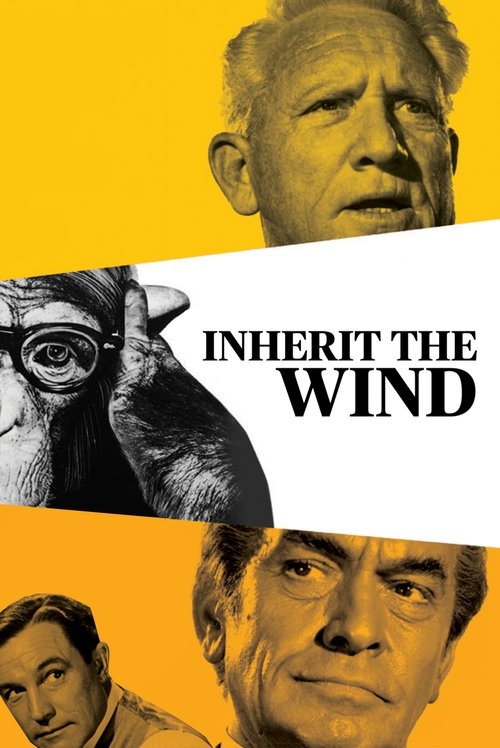
"It’s all about the fabulous “Monkey Trial” that rocked America!"

07 July 1960 United States of America 128 min ⭐ 7.7 (456)
Director: Stanley Kramer
Cast: Spencer Tracy, Fredric March, Gene Kelly, Dick York, Donna Anderson
Drama
Freedom of Thought Religion vs. Reason The Danger of Mob Mentality Pride and Hubris
Budget: $2,000,000
Box Office: $2,000,000

Inherit the Wind - Ending Explained

⚠️ Spoiler Analysis

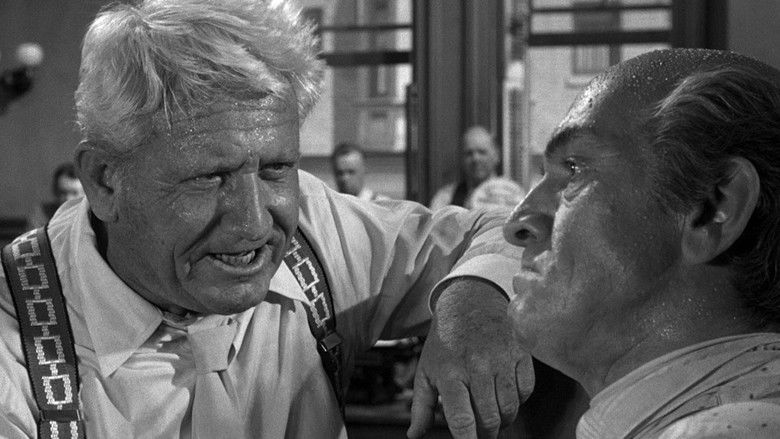
As the trial concludes, the defense is denied the right to call scientific experts. In a brilliant legal maneuver, Drummond calls the prosecutor, Matthew Harrison Brady, to the stand as an expert on the Bible. Under relentless questioning, Drummond forces Brady to admit that a 'day' in Genesis could have lasted millions of years, exposing the logical flaws of strict biblical literalism and causing Brady to break down publicly.

Cates is ultimately found guilty, but the judge, wary of the political climate and media presence, issues a mere $100 fine, which the defense immediately appeals. Denied the opportunity to give his triumphant closing speech, Brady attempts to deliver it to a chaotic, dispersing courtroom, suffers a massive stroke, and dies. Hornbeck mocks the deceased Brady, but Drummond fiercely defends his former friend's past greatness, rejecting Hornbeck's heartless cynicism. In the final scene, Drummond picks up Darwin's Origin of Species and the Bible, weighs them thoughtfully against each other, claps them together, and puts both into his briefcase, symbolizing that faith and science can coexist.

Alternative Interpretations

The most common alternative interpretation revolves around the film's historical accuracy. Some modern historians and religious critics argue that the film unfairly caricatures William Jennings Bryan as a buffoonish, fanatical monster, when in reality he was a progressive populist who opposed social Darwinism's cruel societal implications. From this perspective, the film is seen less as a defense of open-mindedness and more as a liberal propaganda piece that creates its own dogmatic, one-sided narrative.

Another poignant interpretation views the film not merely as a battle of ideologies, but as a tragic story of a lost friendship. Brady and Drummond were once close allies in progressive causes. From this angle, the courtroom battle is an intimate mourning of their fractured relationship, where Drummond attacks Brady not out of hatred, but out of a desperate attempt to wake up an old friend who 'moved away by standing still.'