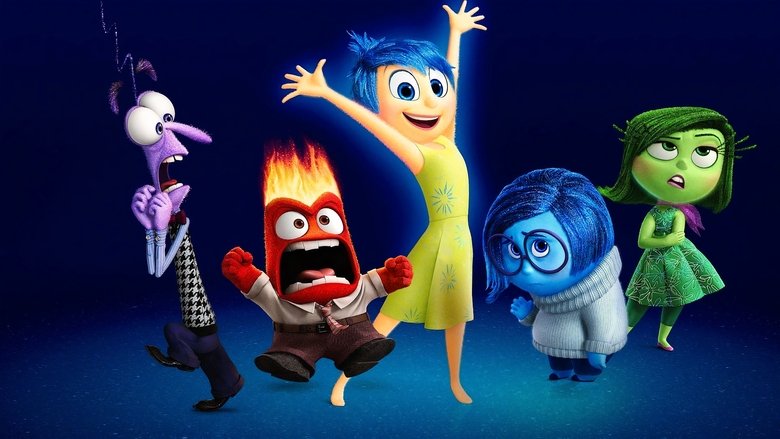
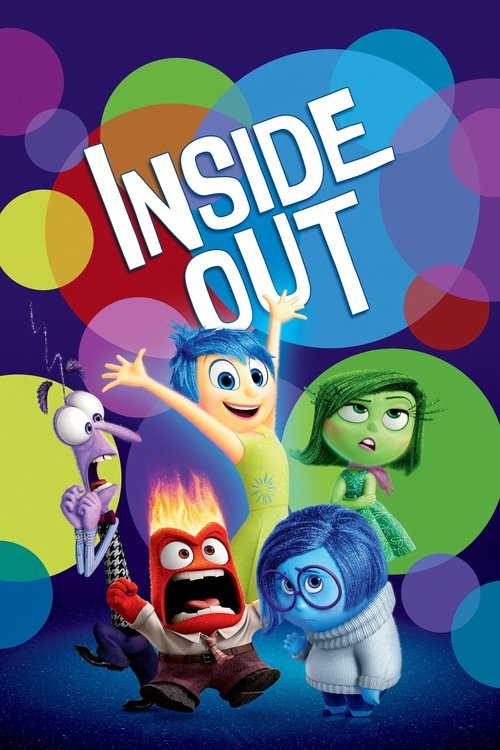
"Meet the little voices inside your head."
Inside Out - Symbolism & Philosophy
Symbols & Motifs
Core Memories
Core Memories symbolize the foundational experiences that shape an individual's personality and identity. They are so powerful that they create the "Islands of Personality," which represent Riley's key traits and interests like family, honesty, and hockey.
These are the most important memories, stored in a special hub in Headquarters. When they are knocked loose and Joy and Sadness are sucked out of the control center, Riley's personality islands begin to shut down and crumble, visually representing her loss of identity and emotional crisis.
Memory Orbs
The memory orbs are a physical manifestation of individual memories. Their color represents the primary emotion associated with that experience (e.g., gold for joy, blue for sadness). This symbolizes how emotions encode our experiences and how our perception of the past is colored by our feelings.
Throughout the film, these orbs are created, sent to long-term memory, recalled, and sometimes altered. When Sadness touches a golden happy memory, it turns blue, showing how present feelings can change our recollection of the past. At the end, new memories are multicolored, symbolizing Riley's growing emotional complexity.
The Train of Thought
The Train of Thought is a literal representation of the stream of consciousness, carrying thoughts, ideas, and memories throughout the mind. It symbolizes the logical, and sometimes chaotic, progression of thought processes.
Joy, Sadness, and Bing Bong try to use the Train to get back to Headquarters. Its erratic schedule and route highlight how thoughts can be unpredictable. When Honesty Island collapses, the train derails, symbolizing how Riley's emotional breakdown disrupts her ability to think clearly.
The Memory Dump
The Memory Dump is a dark abyss where faded memories are sent to be forgotten forever. It symbolizes loss, the fading of childhood, and the painful process of letting go of parts of oneself that are no longer relevant. It is the subconscious graveyard of forgotten experiences.
Joy and Bing Bong fall into the Memory Dump in a moment of despair. It is here that Bing Bong, Riley's imaginary friend, makes the ultimate sacrifice, allowing Joy to escape while he fades away—a powerful and heartbreaking depiction of the inevitable loss of childhood innocence as one grows up.
Philosophical Questions
What is the nature of the Self?
The film explores the idea that the 'Self' is not a single, unified entity but a composite of different, often competing, parts. Riley's personality is literally constructed from her core memories and represented by her personality islands. The film challenges the notion of a static self by showing how these islands can crumble and change with new experiences. It suggests that personal identity is a fluid narrative, constantly being co-authored by our memories and the full spectrum of our emotions working together.
What is the function of emotions, particularly negative ones?
"Inside Out" directly confronts the cultural bias towards happiness. Joy's initial belief that only she is beneficial for Riley reflects a common societal pressure to remain positive. The film's central revelation is that 'negative' emotions like sadness, fear, and anger have crucial, adaptive purposes. Sadness fosters empathy and social connection, Fear protects from danger, and Anger fights against injustice. It posits that a healthy life is not one devoid of pain but one where all emotions are understood, accepted, and integrated.
How do memory and emotion shape our identity?
The film visualizes the intimate link between memory and emotion. Memories are not objective recordings of events but are tagged with emotional data, represented by their color. This emotional coloring dictates how we interpret our past and, in turn, shapes our personality (the islands). Joy's realization that a single event can contain both sadness and happiness highlights the complexity of memory. The film suggests that who we are is less about what happens to us and more about the emotional meaning we attach to those experiences.
Core Meaning
The central message of "Inside Out" is the profound importance of acknowledging and embracing all emotions, especially sadness, for genuine emotional well-being and growth. Director Pete Docter, inspired by the changes in his own daughter, wanted to convey that sadness is not a negative state to be avoided, but a vital emotion that fosters connection, empathy, and healing. The film argues against the relentless pursuit of happiness, showing that suppressing difficult feelings leads to emotional disconnection. Ultimately, it reveals that true emotional maturity comes from understanding that joy and sadness are often intertwined, creating a more complex and resilient sense of self.