"Into the heart. Into the soul."
Into the Wild - Symbolism & Philosophy
Symbols & Motifs
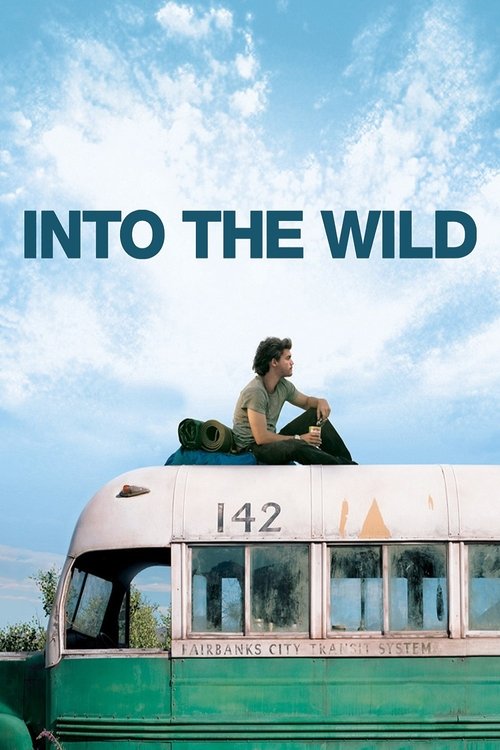
Magic Bus 142
The bus symbolizes both a refuge and a tomb. It represents the irony of Chris's journey: he flees civilization only to find his home in a discarded artifact of the very society he rejected.
Found in the Alaskan bush, Chris uses it as his primary shelter, eventually becoming the site of his final moments and spiritual epiphany.
Burning Money
Symbolizes the destruction of societal value systems. By turning currency into ash, Chris asserts that his worth is no longer tied to economic status.
Early in his journey, Chris burns his remaining cash on the side of the road, marking his transition into the life of a "tramp."
The Leather Belt
A symbol of legacy and self-narration. It serves as a physical record of his travels and the wisdom he gained, representing the stories we leave behind.
Under the mentorship of Ron Franz, Chris carves symbols representing his journey—such as the Datsun and the river—into a leather belt.
The Yellow Datsun
Represents the abandonment of the past and the rejection of his parents' attempts to "buy" his compliance.
Chris leaves his car after a flash flood, choosing to walk rather than remain tethered to his previous identity.
Philosophical Questions
Is true freedom possible within a community?
The film contrasts Chris's 'primitive freedom' (no rules, no ties) with the 'social freedom' offered by characters like Ron and Jan. It asks if freedom is the absence of responsibility or the choice of it.
Does nature have a moral character?
Chris enters the wild expecting a spiritual sanctuary. The film explores the harsh reality that nature is 'blind and deaf,' operating by laws of survival that are indifferent to human idealism.
Core Meaning
The core meaning of Into the Wild lies in the tension between radical individualism and the necessity of human connection. Director Sean Penn explores the transcendentalist urge to escape a "poisoned" civilization and find truth in nature's indifference. However, the film ultimately suggests that while solitude can provide clarity and spiritual rebirth, the human experience is incomplete without others. The climactic realization that "Happiness only real when shared" serves as a heartbreaking testament to the idea that our identity is not found in isolation, but in the reflection of those we love.