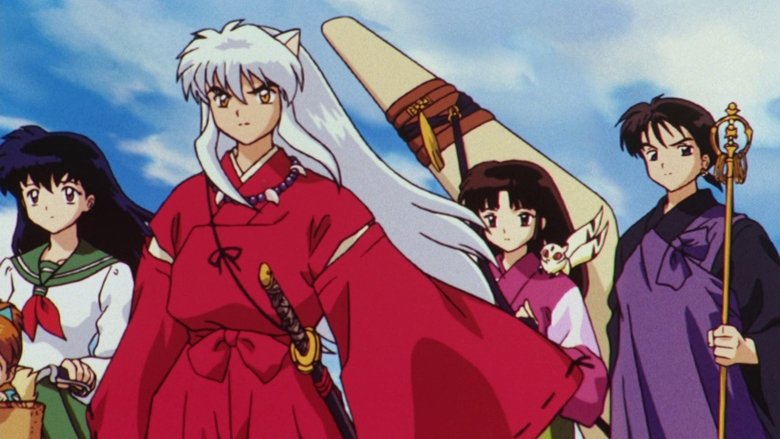

The central conflict of "InuYasha" is orchestrated entirely by Naraku, who was born from the fusion of a human bandit, Onigumo, and countless demons. Onigumo lusted after the priestess Kikyo and, in his jealousy of her budding relationship with Inuyasha, offered his soul to demons. This genesis is the key to Naraku's character: his actions are driven by this twisted human desire. He tricked Inuyasha and Kikyo into believing they had betrayed one another, which led to Kikyo's death and Inuyasha being sealed for 50 years.
Throughout the series, Naraku systematically targets the main characters to corrupt the Shikon Jewel with their suffering. He is responsible for the Wind Tunnel curse that afflicts Miroku's family line, and he orchestrated the massacre of Sango's demon-slayer clan, manipulating her younger brother, Kohaku, into being his puppet for much of the story. A significant twist is the revelation of Naraku's heart, which he physically removed from his body to make himself invulnerable. This heart is hidden within an infant incarnation named Hakudoshi, and finding and destroying it becomes a major goal for the heroes.
Kikyo, resurrected early in the series, plays a pivotal role. She is not a straightforward ally or enemy; she operates on her own terms, seeking to destroy Naraku and purify the Shikon Jewel. Her final death in "The Final Act" is a turning point, as she dies peacefully in Inuyasha's arms, finally resolving their tragic love story and giving her blessing to him and Kagome. Sesshomaru's arc culminates in him letting go of his obsession with his father's sword, Tessaiga. This act of personal growth allows him to manifest his own true weapon, Bakusaiga, a sword signifying he has surpassed his father on his own terms.
The finale reveals the true nature of the Shikon Jewel: it is sentient and seeks to perpetuate its own existence by trapping a user in an eternal battle within it. After Naraku is defeated, his final wish traps Kagome within the jewel, tempting her to make a selfish wish to escape. However, Inuyasha follows her, and with his help, Kagome realizes the only way to end the cycle is to make the one correct, selfless wish: for the Shikon Jewel to disappear forever. This act purifies and destroys it. The well then closes, separating Kagome and Inuyasha for three years. After graduating, Kagome's heart reopens the well, and she chooses to leave the modern world behind to marry Inuyasha and live with him in the Feudal Era.