The film reveals that Ip Man's peaceful existence is an illusion that cannot survive the war. The major turning point is the death of 'Crazy' Lin, which shatters Ip Man's neutrality. The climax builds to a public duel between Ip Man and General Miura. Despite being shot by the treacherous Sato before the fight could fairly conclude (or immediately after, depending on the cut), Ip Man defeats Miura, proving Chinese superiority. The ending reveals he survives the gunshot and escapes to Hong Kong with his family, setting up the sequel and his eventual meeting with Bruce Lee. The hidden meaning lies in the sacrifice of the self for the collective; Ip Man knows he might die in the ring, but fights to restore the broken spirit of the Foshan people.
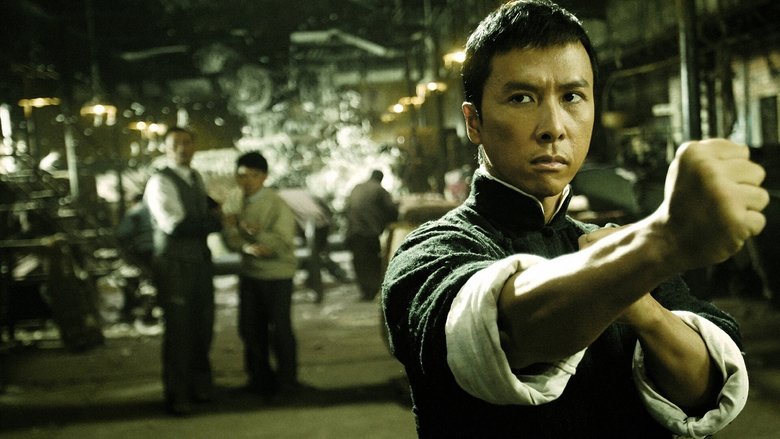
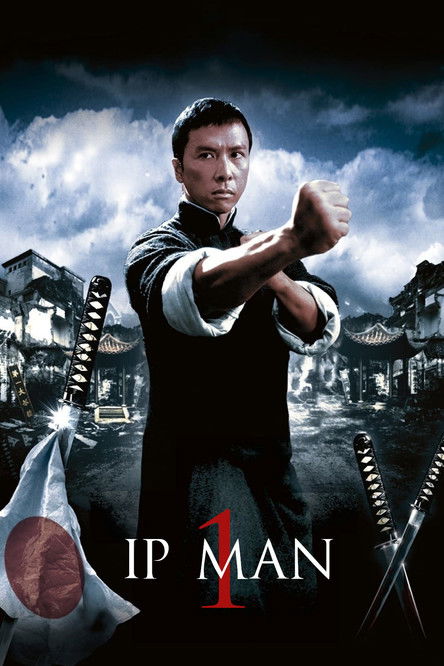
葉問
"The celebrated Kung Fu master of Bruce Lee."
Director: Wilson Yip
Cast: Donnie Yen, Simon Yam, Lynn Hung Doi-Lam, Hiroyuki Ikeuchi, Gordon Lam Ka-Tung
Ip Man — Ending Explained
⚠️ Spoiler Analysis
Alternative Interpretations
While ostensibly a biopic, many critics view the film as historical revisionism/myth-making. The real Ip Man never fought a Japanese general in a public duel, nor did he work as a coolie in a coal mine (he was a police officer). Thus, the film can be interpreted less as a biography and more as a nationalist allegory, where Ip Man's body represents the resilience of the Chinese nation—initially passive and wealthy, then humiliated and battered, and finally rising to reclaim its dignity. Some also read the film as a critique of passive pacifism; Ip Man's initial refusal to get involved or teach others is shown to be insufficient when true evil (fascism) arrives, suggesting that good men must eventually fight.
Explore More About This Movie
Dive deeper into specific aspects of the movie with our detailed analysis pages