
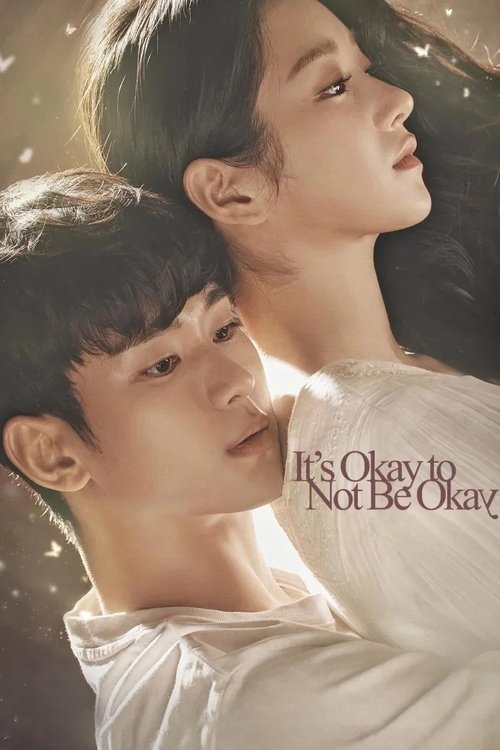
The central mystery of the series revolves around the murder of the Moon brothers' mother. The killer was identified only by a distinctive butterfly brooch she wore. Throughout the series, it's heavily implied that Ko Mun-yeong's mother, the famous novelist Do Hui-jae, was the murderer, creating a tragic, Romeo-and-Juliet-style conflict for the main couple. Do Hui-jae was presumed dead, but the narrative reveals she is alive and has been hiding in plain sight.
The major twist is that Do Hui-jae is Park Haeng-ja, the unassuming head nurse at OK Psychiatric Hospital. She had undergone extensive plastic surgery to alter her appearance. Her return serves as the final confrontation for the trio. She attempts to reclaim Mun-yeong and eliminate the Moon brothers, viewing them as obstacles. In the climactic scene at the Cursed Castle, Sang-tae overcomes his lifelong trauma of butterflies (triggered by her brooch) and incapacitates her by hitting her with a book, thus protecting his new family. This act is pivotal for Sang-tae's character, as he transitions from the protected to the protector.
The finale resolves the characters' arcs beautifully. With Do Hui-jae imprisoned, the trio is free from their shared past. Sang-tae, having gained confidence and independence, decides to work as a freelance illustrator and live on his own, signifying his complete growth. He gives Gang-tae and Mun-yeong his blessing, freeing his brother from his lifelong burden of care. The final scene shows Gang-tae and Mun-yeong driving off in their camping van, finally able to be a couple on their own terms, while Sang-tae embarks on his own adventure. The ending reinforces the idea that true healing allows individuals to grow both together and apart, finding their own unique paths to happiness.