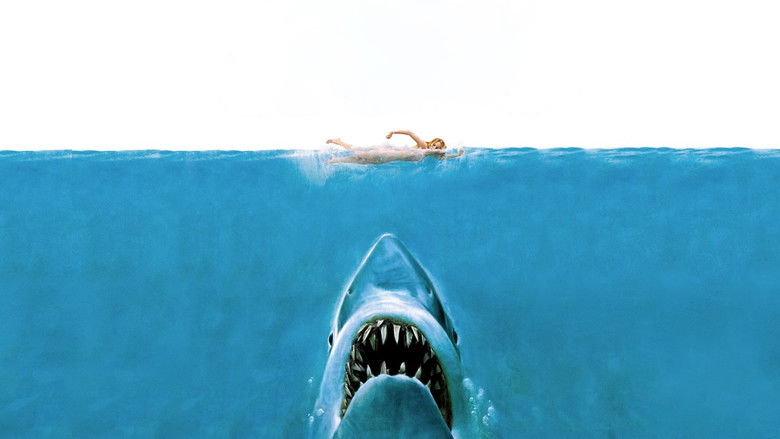
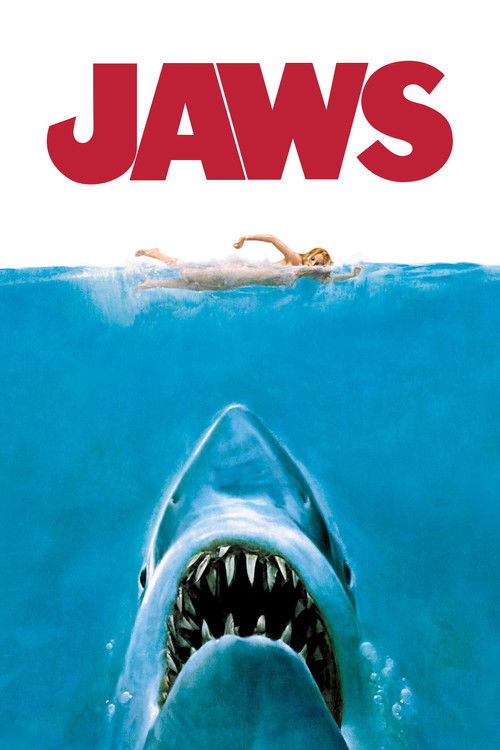
Jaws
Thriller/Adventure. Primal fear meets summer sunlight. An unseen leviathan embodies the terror of the unknown, turning the vast, indifferent ocean into a claustrophobic trap where man fights nature for survival.
Jaws
Jaws

"The terrifying motion picture from the terrifying No. 1 best seller."

20 June 1975 United States of America 124 min ⭐ 7.7 (11,278)
Director: Steven Spielberg
Cast: Roy Scheider, Robert Shaw, Richard Dreyfuss, Lorraine Gary, Murray Hamilton
Thriller Adventure Horror
Man vs. Nature Capitalism vs. Public Safety Masculinity and Heroism Fear of the Unknown
Budget: $7,000,000
Box Office: $470,653,000

Jaws - Ending Explained

⚠️ Spoiler Analysis

The film culminates in a desperate battle aboard the sinking Orca. The shark kills Quint, devouring him in a gruesome fashion, symbolizing the failure of his obsessive, Ahab-like pursuit. Hooper, who descends in a shark cage, survives by hiding in the reef (unlike in the book, where he dies).

The climax sees Chief Brody, the man afraid of water, alone on the sinking mast. He shoves a pressurized air tank into the shark's mouth and shoots it, blowing the shark to pieces. Brody and Hooper then paddle back to shore on makeshift wreckage, symbolizing the triumph of human spirit and cooperation over primal nature.

Alternative Interpretations

Some critics view the film as a Post-Watergate parable, where a corrupt authority figure (the Mayor) covers up a deadly threat to maintain the status quo, forcing individuals to take matters into their own hands.

Others interpret it through a Freudian lens: the Shark as the Id (uncontrollable impulse), Brody as the Ego (mediator/reality), and Hooper as the Superego (intellect/moral conscience). Alternatively, the shark has been viewed as a metaphor for the Cold War enemy or a punishment for the sexual liberation of the 1960s (beginning with the death of the naked swimmer).