Skip to content
Jay Kelly
A sun-drenched, melancholic European odyssey wrapped in bittersweet satire, capturing the existential dread of a legendary star whose dazzling silver-screen reflection slowly fades into the quiet mirror of human vulnerability.
Jay Kelly
Jay Kelly

"Everybody knows Jay Kelly, but Jay Kelly doesn't know himself."

14 November 2025 United States of America 132 min 6.1 (466)

Director: Noah Baumbach

Cast: George Clooney, Adam Sandler, Laura Dern, Billy Crudup, Riley Keough

Drama Comedy Persona vs. True Self (The Crisis of Identity) Parental Neglect and the Price of Ambition Co-Dependency and Emotional Labor (Manager & Star Dynamic) Mortality, Legacy, and the Fading Golden Age of Cinema The Illusion of Performance as Life

Jay Kelly — Ending Explained

⚠️ Spoiler Analysis

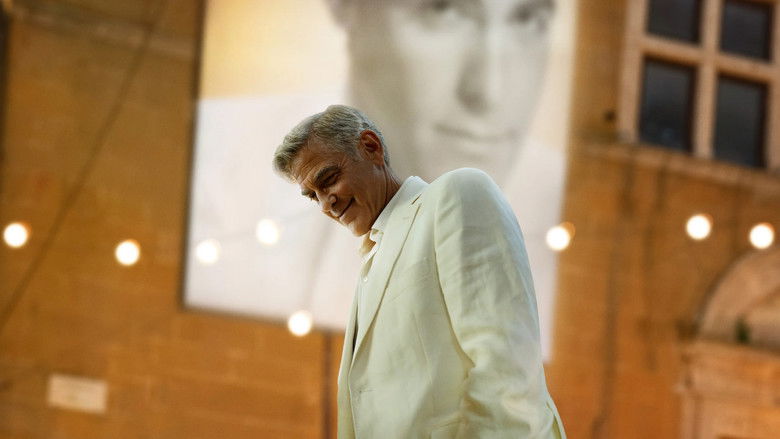
The narrative turns when Jay's European pursuit of Daisy culminates at a career retrospective tribute held in Tuscany. Throughout his journey, Jay invited strangers from trains and hotels to pack the hall, hoping an outpouring of public love would convince his visiting daughter of his worth.

However, when watching his past film clips alongside Daisy and Ron, the projection reveals the painful irony: he played exemplary, emotionally available fathers on screen during the exact years he was missing his children's real-world milestones. In a pivotal private confrontation, Daisy and Jessica make it clear that they do not hate him; rather, they have simply moved on and built lives that do not depend on him.

Jay undergoes a quiet breakthrough: he stops performing remorse and genuinely listens. He also finally acknowledges Ron not as an employee/surrogate parent, but as a devoted friend who sacrificed his own life for Jay's comfort. The ending leaves Jay standing in the Tuscan evening—not with a Hollywood-style perfect reunion, but with quiet peace, having finally stepped off the stage of his own ego.

Alternative Interpretations

The Existential Reading (Acceptance of Illusion): Jay's career is not a waste, but a testament to cinema. The ending suggests that living through illusions is humanity's coping mechanism, and the love audiences feel for an actor's art holds genuine spiritual value.

The Satirical Critique (Irredeemable Narcissism): A harsher interpretation posits that Jay never actually changes; his impromptu trip and public retrospective are simply another performance where he casts himself as the tragic, repentant patriarch to win applause.

The Industry Elegy: The film functions as an allegory for the death of classic cinema, where Jay Kelly represents cinema itself—glamorous, self-involved, fading, and desperate to prove its relevance to younger generations.

Explore More About This Movie

Dive deeper into specific aspects of the movie with our detailed analysis pages

Similar Movies