The film ends on a note of absolute tragedy. After exhausting himself digging a well and dynamiting the rock, Jean is struck by flying debris and dies from his injuries. His wife is forced to sell the farm to Papet and Ugolin for a fraction of its value. In the final scene, Papet and Ugolin go to the spring they blocked at the beginning of the film. They easily remove the cement plug, and the water—the source of Jean's death and their future wealth—gushes forth. Unknown to them, Jean's little daughter, Manon, is hiding in the bushes. She witnesses their celebration and realizes they had blocked the water all along, setting the stage for her revenge in the sequel.
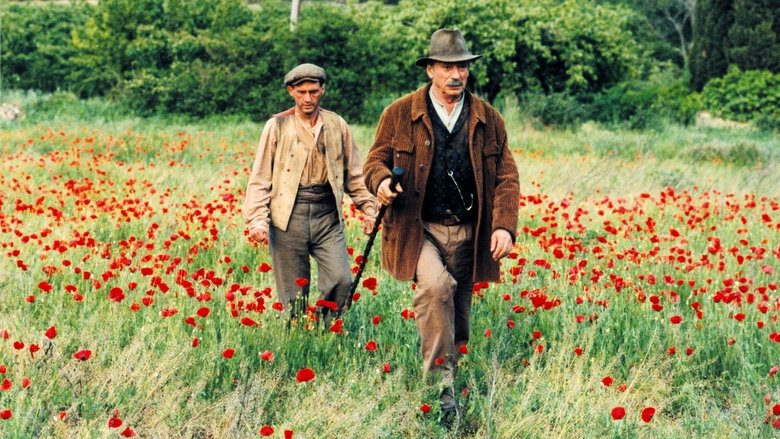
A sun-drenched Greek tragedy set in 1920s Provence, where the golden light of the French countryside belies a cruel tale of greed, betrayal, and the relentless indifference of nature. It is a heartbreaking visual poem about the human spirit crushed by the weight of destiny.
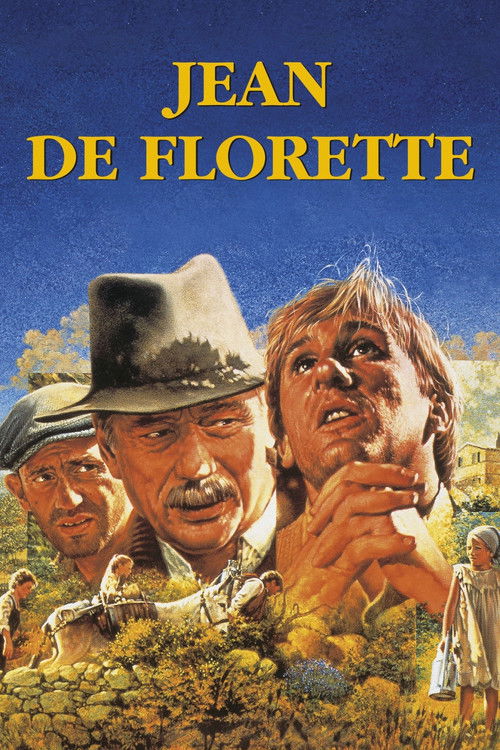
Jean de Florette
"For some men, land and water are more precious than flesh and blood."
27 August 1986
France
121 min
7.7
(599)
Director: Claude Berri
Cast: Yves Montand, Gérard Depardieu, Daniel Auteuil, Elisabeth Depardieu, Margarita Lozano
Drama
Greed and Materialism
The Outsider vs. The Community
Man vs. Nature
Fate and Lineage
Budget:
$4,940,939
Jean de Florette — Ending Explained
⚠️ Spoiler Analysis
Alternative Interpretations
While primarily a story of greed, some critics interpret the film as a parable of colonialism or xenophobia. Jean represents the immigrant or the 'other' who tries to assimilate and contribute but is destroyed by a nativist system rigged against him. Others view it through a religious lens, seeing Jean as a Christ-like figure—a sacrificial lamb who suffers and dies due to the sins of the community, with his death eventually leading to a form of purification (or retribution) in the sequel.
Explore More About This Movie
Dive deeper into specific aspects of the movie with our detailed analysis pages