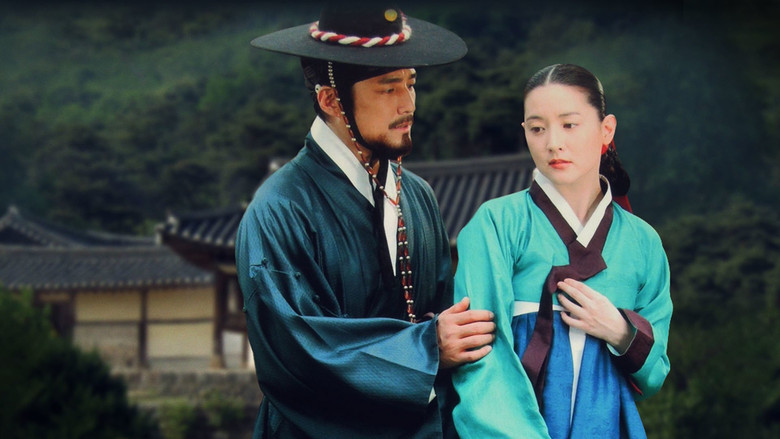
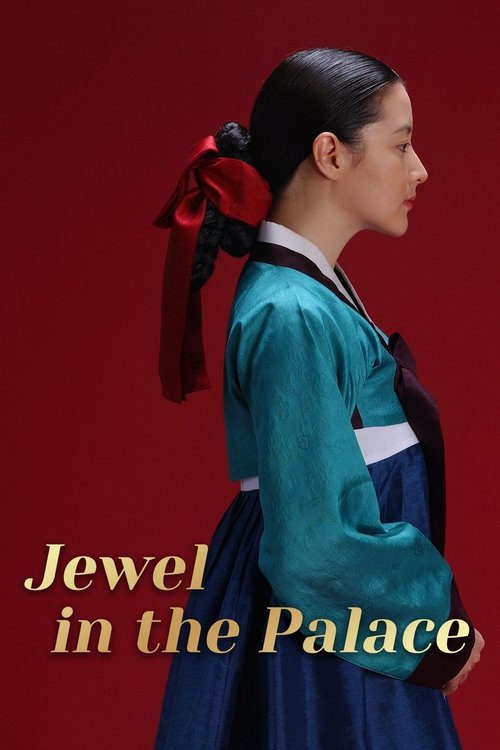
The central conflict of "Jewel in the Palace" is the struggle between Seo Jang-geum and the powerful Choi clan, who have controlled the royal kitchen for five generations. The initial major twist is the revelation that Jang-geum's mother, Park Myeong-yi, was a former court lady framed by a young Lady Choi, leading to her near-death and life as a fugitive. After Jang-geum's parents are killed as a result of the Choi's continued influence, her life's mission is set.
A key turning point is the conspiracy where Lady Choi and her niece Geum-young frame Jang-geum and her mentor, Lady Han, for treason using contaminated ingredients intended for the King. This results in Lady Han's death and Jang-geum's exile to Jeju Island as a government slave. This is not the end for Jang-geum, but a rebirth. In exile, she studies to become a physician, the only path back to the palace. Her return as a medical woman, rather than a cook, is a major plot development that shocks her rivals.
The climax of the series sees the complete unraveling of the Choi family's crimes. Through Jang-geum's efforts and with the help of Min Jeong-ho, their history of poisoning rivals, political corruption, and the framing of Jang-geum's mother and Lady Han is brought to light before the king. Lady Choi dies in disgrace, and Geum-young is stripped of her titles and exiled. Jang-geum is finally vindicated.
The series finale subverts the expectation that Jang-geum will remain in the palace. After King Jungjong appoints her as his personal physician and gives her the title "The Great Jang-geum," he falls gravely ill. Fearing for her safety after his death, the King secretly arranges for her to escape with Min Jeong-ho. The final scenes show them eight years later, living as a family with a young daughter. Though they are eventually found and reinstated by the Queen Dowager, Jang-geum chooses not to return to the palace, preferring a life of freedom where she can heal common people. This ending emphasizes that her ultimate fulfillment comes not from royal titles or power, but from her love for her family and her unwavering dedication to her craft on her own terms.