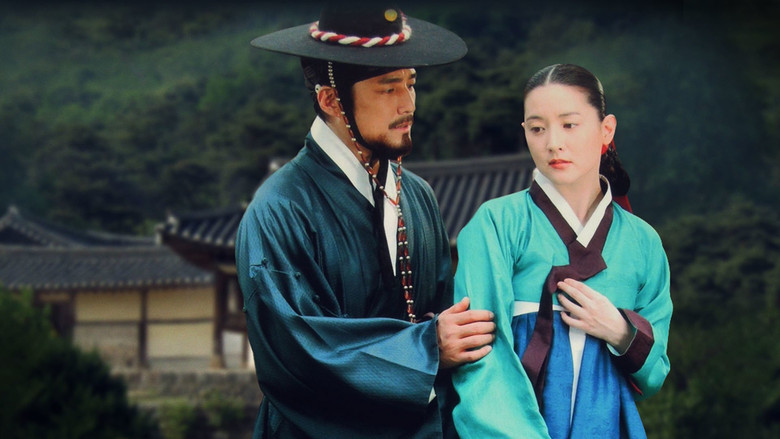
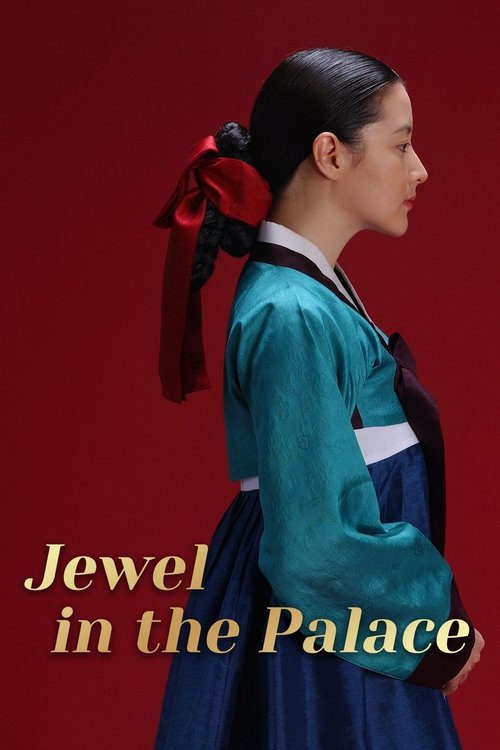
대장금
Jewel in the Palace - Symbolism & Philosophy
Symbols & Motifs
Royal Cuisine (Suragan Food)
The meticulously prepared royal cuisine symbolizes more than just sustenance; it represents Korean culture, tradition, and the philosophy of balance and health. Each dish is a testament to the sincerity and knowledge of its creator. It also symbolizes power and political favor, as the one who controls the King's food holds significant influence.
Throughout the first half of the series, the creation of specific dishes for the royal family drives the plot. Cooking competitions, the presentation of meals, and the use of rare ingredients are central to the conflicts and triumphs within the royal kitchen.
Mother's Cooking Journal
The journal left by Jang-geum's mother symbolizes legacy, truth, and Jang-geum's primary motivation. It contains not only recipes but the story of the injustice done to her mother. It represents the hope that truth will eventually be revealed and honor restored.
Jang-geum's quest to enter the palace and become the Highest Kitchen Lady is driven by her desire to find this journal and add her mother's story to it. The journal is a recurring motif that fuels her determination through her darkest moments.
Acupuncture Needles and Medical Texts
These symbolize Jang-geum's transformation and the expansion of her mission. While her cooking knife represented her ability to sustain life, the needles represent her ability to save it from illness and death. They signify her shift from a practitioner of a domestic art to a respected professional in a male-dominated scientific field, embodying her intellectual growth and expanding influence.
In the second half of the series, after her exile, scenes of Jang-geum studying medical texts and practicing with acupuncture needles become prominent. They replace the earlier focus on cooking utensils and signify her new path and identity as a physician.
Philosophical Questions
What is the true purpose of a skill?
The series constantly explores whether a skill, be it cooking or medicine, should be used for personal gain and power or for the betterment of others. The Choi family wields their culinary legacy as a tool for political influence and wealth accumulation. In contrast, Jang-geum, guided by her mentors Lady Han and Jang-deok, comes to believe that the ultimate purpose of her skills is to bring health, comfort, and life to people. Her journey argues that true mastery is achieved not just through technical perfection, but through ethical application and a sincere heart.
Can integrity and perseverance triumph over a corrupt system?
Jang-geum is an individual with no status or political backing, pitted against a deeply entrenched system of corruption and nepotism represented by the Choi family and their government allies. The series serves as a long-form case study on this question. Jang-geum's only weapons are her intelligence, her unwavering work ethic, and her refusal to compromise her principles. Her eventual success suggests an optimistic answer: that while the path is incredibly difficult and requires immense sacrifice, a determined individual can indeed expose corruption and achieve justice through sheer merit and moral fortitude.
How does one balance the pursuit of justice with the poison of revenge?
After the deaths of her mother and mentor, Jang-geum is consumed by a desire for justice that borders on revenge. However, as she learns medicine, her mentors challenge her motivations, questioning if a healer's hands can be driven by hatred. The series delves into her internal struggle to seek accountability for the wrongs committed against her family without letting vengeance corrupt her own spirit. It suggests that true justice is not about personal retribution but about restoring balance and truth, a goal she achieves by focusing on her higher purpose of saving lives.
Core Meaning
The core meaning of "Jewel in the Palace" is a profound exploration of perseverance, integrity, and the transcendent power of a woman's will in a repressive society. The creators convey the message that one's true greatness is not defined by social status or gender, but by the relentless pursuit of knowledge and the ethical application of one's skills. The series posits that food and medicine are not merely technical crafts, but philosophical practices rooted in sincerity and a deep care for humanity. Jang-geum's journey from cook to doctor embodies the idea that the goal of both disciplines is the same: to sustain and heal life. The narrative champions the idea that even within a corrupt and rigid system, a single individual with unyielding determination and a strong moral compass can enact profound change and achieve the impossible.