John Wick: Chapter 4
Neo-noir mythos woven into a ballet of bullets, where the quest for freedom becomes a Sisyphean climb toward a beautiful, bloody sunrise. A symphony of violence and brotherhood reflecting on the cost of consequences.
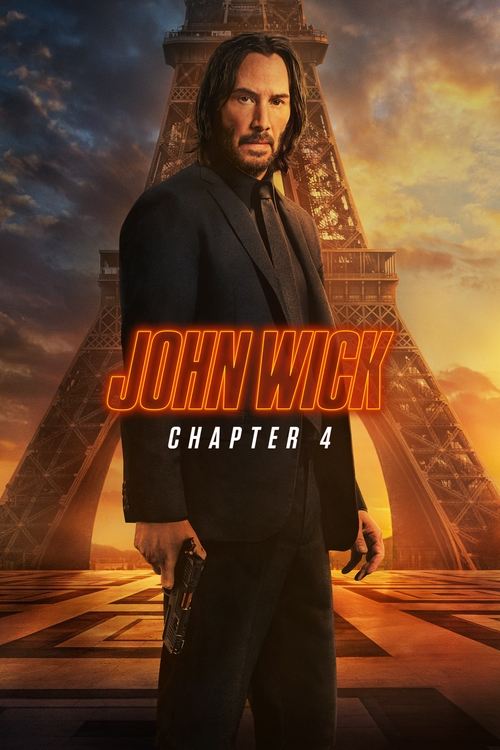
John Wick: Chapter 4

"No way back, one way out."

22 March 2023 Germany 170 min ⭐ 7.7 (7,639)
Director: Chad Stahelski
Cast: Keanu Reeves, Donnie Yen, Bill Skarsgård, Ian McShane, Laurence Fishburne
Crime Action Thriller
Consequences and Causality Friendship vs. Duty Freedom through Death The Sisyphean Struggle
Budget: $100,000,000
Box Office: $440,157,245

John Wick: Chapter 4 - Ending Explained

⚠️ Spoiler Analysis

The Duel Twist: In the final duel, John and Caine fire at each other for three rounds, both sustaining wounds. In the third round, Caine fires, and John falls, appearing defeated. The Marquis, arrogant and eager to deliver the coup de grâce, takes Caine's gun to finish John himself. However, it is revealed John did not fire his final round. He trapped the Marquis by feigning defeat. With the Marquis now an active participant in the duel, John shoots him in the head, winning the duel.

The Ending: Following his victory, John is granted his freedom and Winston is reinstated. John sits on the steps of Sacré-Cœur, visions of his wife Helen appearing as he succumbs to his wounds. The final scene shows Winston and the Bowery King standing over two graves: Helen Wick and John Wick. The Bowery King asks if John is in "Hell or Heaven," and Winston replies, "Who knows."

Post-Credits Scene: Caine, now free, approaches his daughter playing the violin. However, Akira (Shimazu's daughter) approaches him through the crowd with a knife, seeking vengeance for her father's death, implying the cycle of violence continues.

Alternative Interpretations

The Death of John Wick: The most debated interpretation concerns the ending. While John appears to die and is buried, several clues suggest he may have faked his death to truly be free. The wound was in a non-lethal spot (similar to the doctor scene in Chapter 3), and his dog looks up from the grave as if seeing someone. This ambiguity allows the film to serve as a definitive conclusion while leaving a door open for the studio.

The High Table as Fate: Some critics interpret the High Table not just as a crime syndicate, but as a metaphor for Fate or the Greek Gods—omnipotent, cruel, and impossible to defeat, meaning the only victory against them is choosing the terms of one's own death.