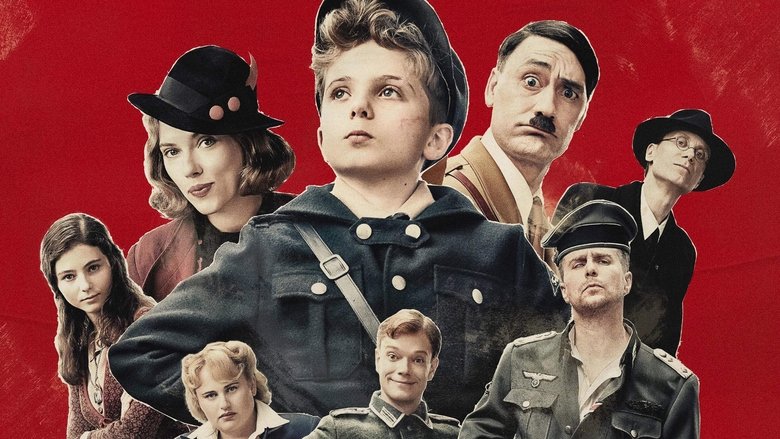
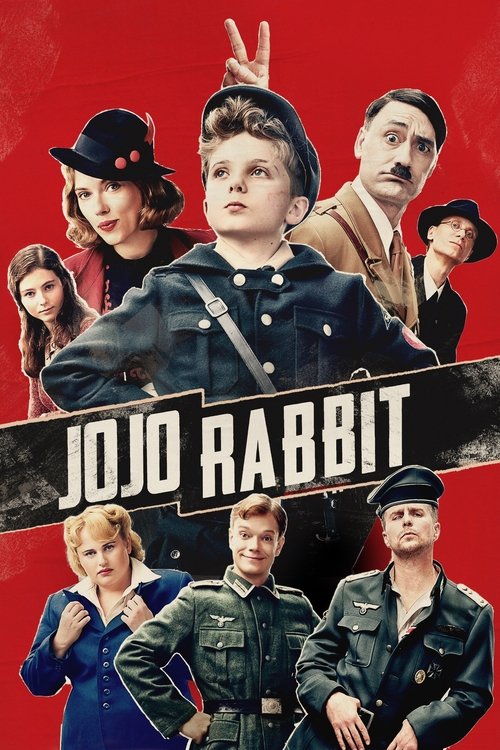
The central turn in "Jojo Rabbit" occurs when Jojo discovers Elsa, the Jewish girl his mother is hiding in their attic. This event forces him to reconcile his fanatical, propagandized beliefs with the reality of the person in front of him. His attempts to 'study' her for his book, "Yoohoo Jew," become the vehicle for his de-indoctrination, as her wit and humanity systematically dismantle his prejudices.
A major, devastating twist is Jojo's discovery of his mother Rosie's body hanging in the town square, executed for her anti-Nazi activities. The visual reveal is handled with poignant subtlety; Jojo chases a butterfly, a symbol of freedom his mother spoke of, and recognizes her by her distinctive dancing shoes. This moment marks the absolute end of his childhood innocence and solidifies the true, horrific cost of the Nazi regime in his mind. It is a direct consequence of the hate he once championed.
The ending provides a final series of revelations. As the Allies take the city, Captain Klenzendorf saves Jojo's life by ripping off his Nazi coat and calling him a Jew, sacrificing himself in the process. Fearing Elsa will leave him, Jojo lies and tells her Germany won the war. After a final confrontation with his imaginary Hitler—now angry and monstrous—Jojo decisively rejects him by kicking him out a window. He then takes Elsa outside, where she sees the Allied forces and realizes she is free. She slaps him for the lie, then, fulfilling her earlier promise, begins to dance. They dance together in the ruins of their city, orphans of the war, but free and united—a testament to love's survival amidst terror.